Best Electrical Panel Brands for Safe Upgrades
[ez-toc]
A panel upgrade is not a cosmetic purchase. It determines how safely your home or facility can support air conditioning, EV charging, kitchen equipment, computers, machinery, and the electrical loads added over time. The best electrical panel brands earn their reputation through dependable breaker performance, clear labeling, available replacement parts, and broad acceptance by inspectors and electricians.
For a Los Angeles property owner, the right choice also depends on the building itself. A 1960s home with an aging service, a retail space adding refrigeration, and an industrial site protecting sensitive equipment do not have the same requirements. The brand matters, but proper load calculations, installation quality, grounding, surge protection, and the correct breaker configuration matter just as much.
What Makes an Electrical Panel Brand Worth Choosing?
A quality panel is a listed electrical distribution system, not simply a metal box with breakers inside. The panelboard and its breakers are designed and tested as a system. That is why a licensed electrician should use breakers specifically approved for that panel rather than mixing in look-alike parts that happen to fit physically.
Availability is another practical consideration. Electrical equipment can remain in service for decades. Choosing a manufacturer with widely available breakers, accessories, and replacement components can make future repairs, remodels, and troubleshooting far simpler. For commercial and industrial properties, the ability to obtain the correct parts quickly can also protect uptime.
Capacity deserves equal attention. A 100-amp panel may have served an older home well, but it can become limiting when the owner adds central air, an induction range, a heat pump, a spa, or an EV charger. A larger panel is not automatically necessary, but a professional load calculation reveals whether the existing service and panel have room to support the intended work safely.
Best Electrical Panel Brands for Homes and Businesses
Square D
Square D is one of the most recognized electrical panel names in the United States. Its residential QO and Homeline product lines are common choices for new construction, replacements, and service upgrades. QO breakers are known for their visual trip indicator, while Homeline panels and breakers are widely used for cost-conscious residential installations.
The distinction between QO and Homeline is important because their breakers are not interchangeable. A professional will specify the correct product family based on the panel, the application, local code requirements, and the property owner’s budget. Square D is often a strong option for homeowners who value broad part availability and a long-established presence in the market.
Siemens
Siemens panels are widely used in residential and commercial work and are respected for their broad electrical product ecosystem. For property owners, Siemens can be an appealing choice when a project calls for a familiar, readily serviceable panel from a major manufacturer.
The right Siemens setup depends on the service rating, number of circuits, available space, and specialty loads. A panel that looks adequate on paper can become crowded quickly if it is installed with no room for future additions. An experienced electrician plans for present-day needs and reasonable expansion, particularly for homes likely to add EV charging or electrified appliances.
Eaton
Eaton is a major manufacturer with solutions ranging from residential load centers to sophisticated commercial and industrial distribution equipment. Its CH and BR residential lines are both well known, but they use different breaker systems. As with any brand, the breaker must be listed for the specific panel it serves.
Eaton is often worth considering for commercial properties because the company offers a broad range of distribution and power-management equipment beyond a standard panelboard. That breadth can be valuable when a business is coordinating an electrical upgrade with surge protection, backup power, equipment circuits, or future expansion. The best fit still comes down to the project scope, available service capacity, and engineering requirements where applicable.
Leviton
Leviton has become a notable option in the residential panel market, particularly for owners interested in modern monitoring features. Its smart load centers can provide circuit-level visibility when paired with compatible components, helping homeowners track usage and identify unusual loads.
Technology is useful, but it should not be the only deciding factor. Smart features add cost and may not provide much value to a small property with straightforward electrical needs. For a homeowner managing EV charging, high energy usage, or a large renovation, however, visibility into individual circuits may be worthwhile.
ABB and Other Commercial Equipment Lines
Commercial and industrial projects often extend beyond the familiar residential load center. ABB and other established manufacturers supply panelboards, switchboards, breakers, disconnects, and distribution equipment designed for higher-capacity or specialized applications.
At this level, brand selection is usually tied to specifications, available fault current, coordination studies, equipment lead times, and compatibility with the existing electrical system. A business owner should not select a commercial panel based solely on a consumer-style brand ranking. The electrical contractor and, when required, an engineer should determine the equipment that meets the building’s code, load, and operational needs.
Brand Compatibility Is a Safety Issue
One of the most common mistakes in panel work is assuming any breaker with the same amperage will work. It may fit into the bus, but that does not make it approved for use. Breakers have specific mechanical and electrical listing requirements, and an incorrect product can create overheating, unreliable tripping, inspection problems, or insurance concerns.
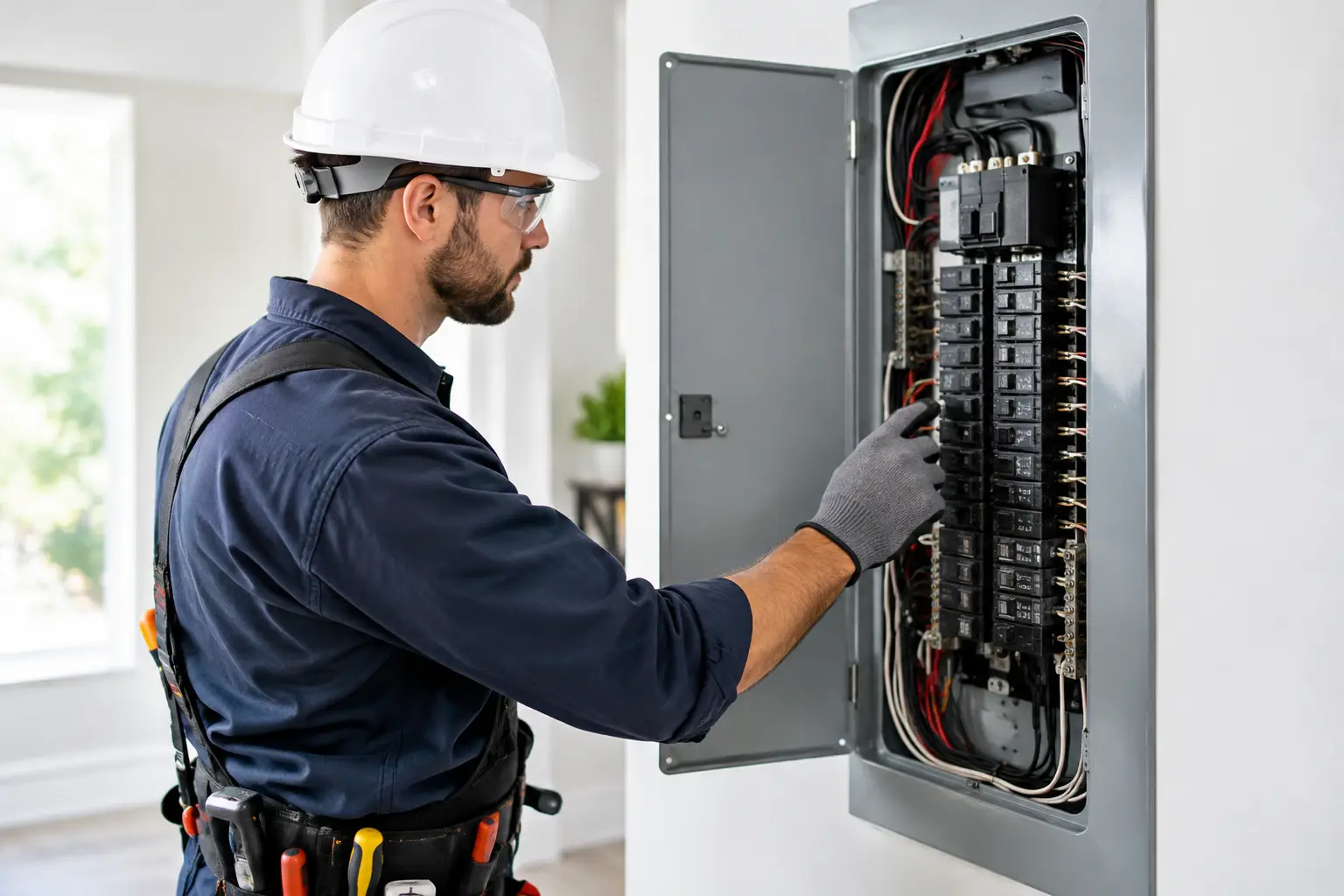
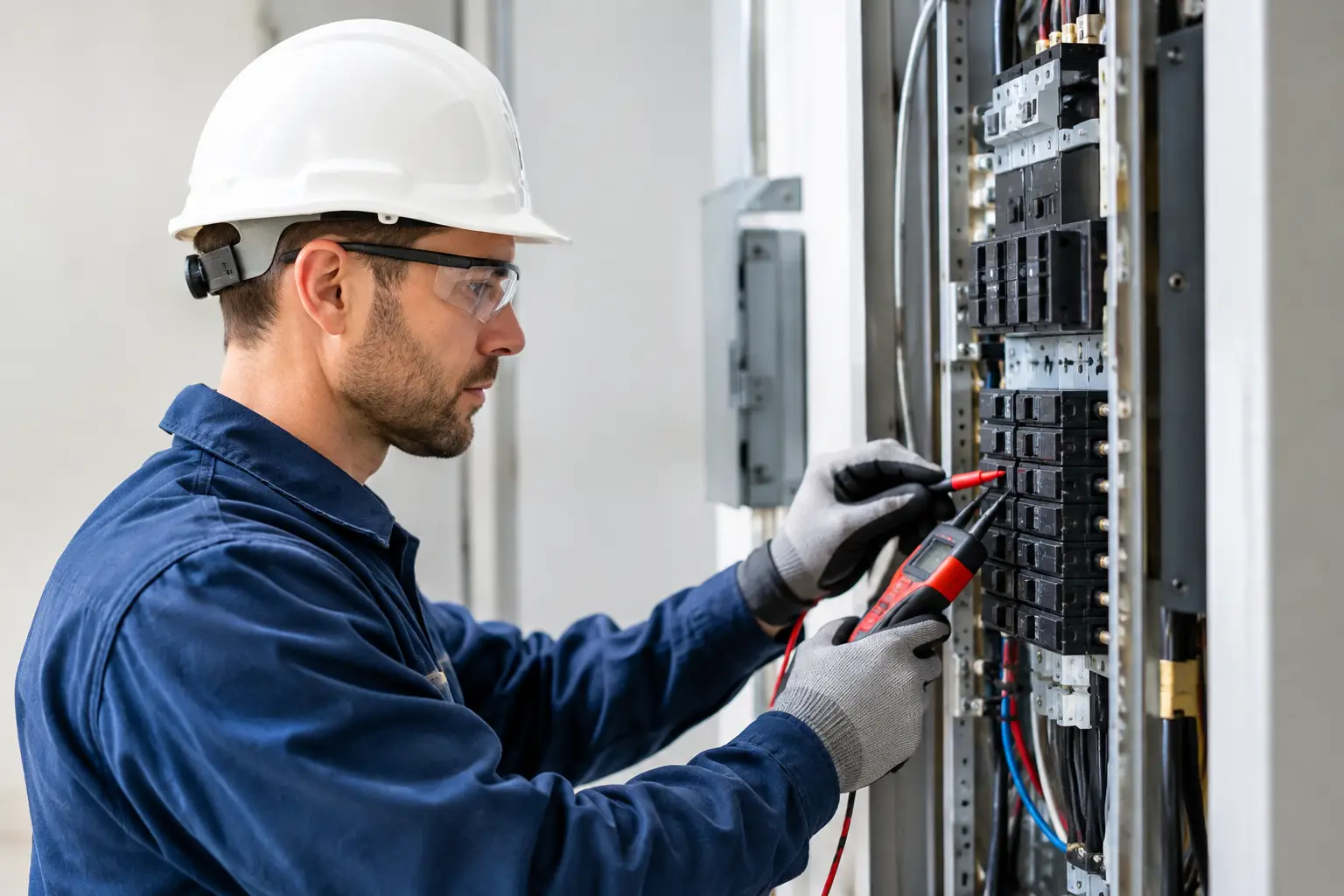
This is especially relevant in older properties. Some panels have been modified repeatedly over decades, with mixed breakers, missing blanks, damaged bus bars, or unclear circuit labeling. Before replacing a breaker or adding a circuit, a qualified electrician should inspect the panel’s condition, identify its manufacturer and model, and confirm whether the equipment is suitable for continued use.
When Replacing the Panel Matters More Than Picking a Brand
A reputable brand cannot solve a problem caused by a deteriorated or undersized electrical system. Replacement should be considered when a panel shows heat damage, corrosion, loose connections, repeated tripping, buzzing, water intrusion, or a lack of capacity for required circuits. Panels associated with known safety concerns, including certain Federal Pacific Electric and Zinsco equipment, should be evaluated promptly by a licensed electrician.
Older fuse panels also deserve attention. Fuses can be safe when properly maintained, but many older fuse-based systems no longer meet the practical demands of a modern property. Adding circuits, GFCI and AFCI protection, surge protection, or a high-capacity appliance may require a more comprehensive upgrade.
For Los Angeles homes, service upgrades can involve utility coordination, permits, grounding and bonding updates, and local inspection requirements. Commercial upgrades may also require work to be scheduled around business hours or equipment downtime. This is not an area for improvised repairs or a lowest-price installation that overlooks the details.
Questions to Ask Before Approving a Panel Upgrade
Before selecting a brand or accepting an estimate, ask what service size the property needs based on an actual load calculation. Ask whether the quote includes the panel, breakers, permit, grounding and bonding work, labeling, surge protection options, and any utility coordination. It is also reasonable to ask how much room will remain for future circuits.
For a business or facility, ask how the contractor will protect operations during the outage and whether the new equipment is compatible with existing distribution. If sensitive electronics, networking equipment, medical devices, or machinery are involved, discuss surge protection and dedicated or isolated circuits where appropriate.
Finally, confirm that the electrician is licensed and insured and that the work is backed by a workmanship warranty. A panel is central to the safety of the entire property, so clear scope, qualified installation, and accountable service are worth more than a bargain component price.
Prime Electric helps property owners evaluate panel condition, capacity, and upgrade options with straightforward recommendations based on the actual system, not a one-size-fits-all brand preference. The safest next step is a professional inspection that identifies what your property needs now and leaves room for what it may need next.