Circuit Breaker Testing When Safety Is on the Line
[ez-toc]
A breaker that trips once after a space heater and hair dryer run together may be doing exactly what it should. A breaker that trips repeatedly, feels hot, buzzes, smells burnt, or will not reset is a different situation. Circuit breaker testing helps distinguish a temporary overload from a failing breaker, damaged wiring, or an electrical issue that needs prompt professional attention.
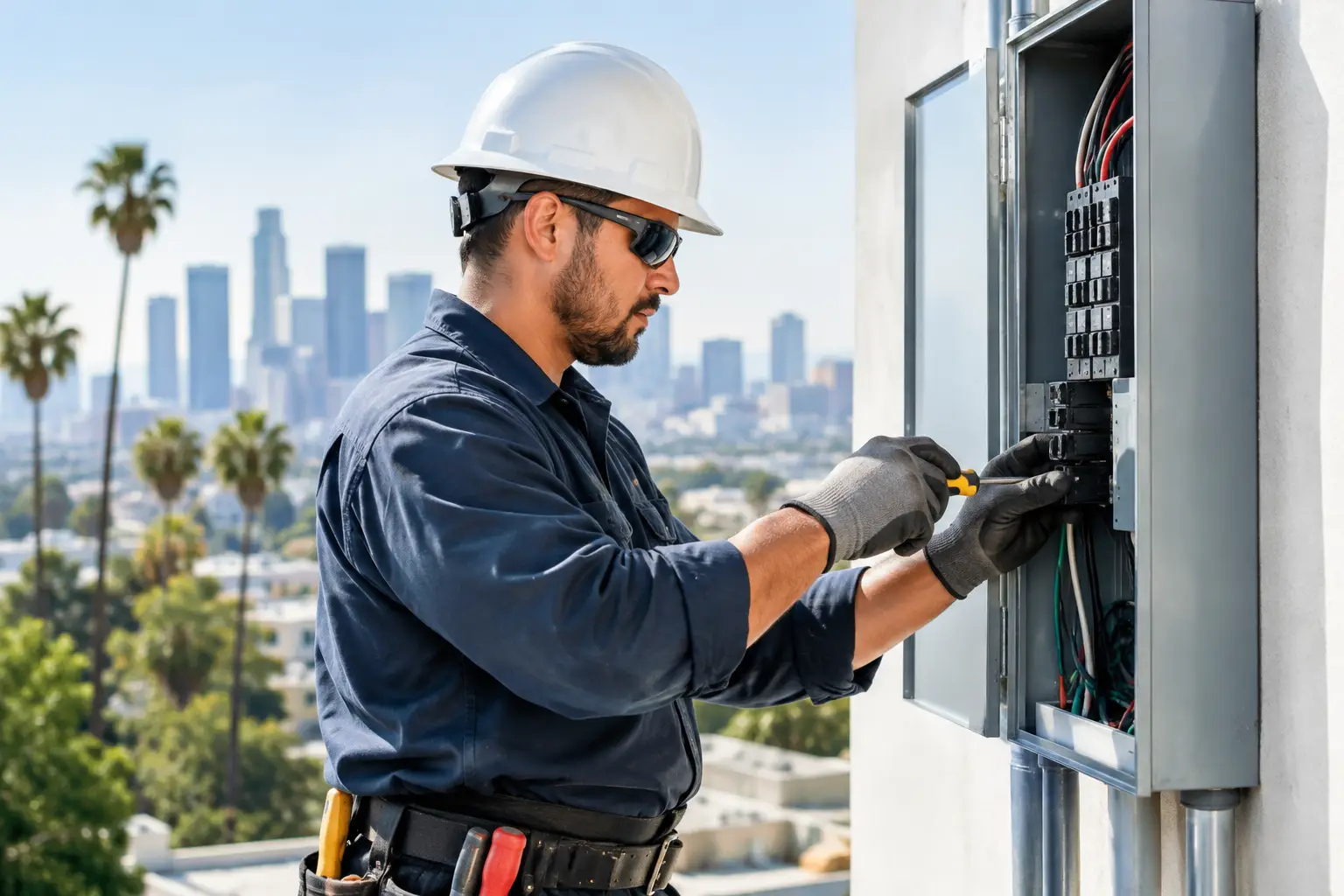
For homeowners, property managers, and business owners, the goal is not simply to get the power back on. It is to identify why the circuit opened and make sure the electrical system can operate safely under normal use. That is especially relevant in older Los Angeles properties, where panels, branch wiring, and electrical demands may have changed significantly over time.
What Circuit Breaker Testing Actually Checks
A circuit breaker is designed to interrupt power when current rises beyond safe limits or when a fault occurs. It protects conductors from overheating and reduces the risk of electrical damage and fire. But breakers are mechanical and electrical devices. Age, heat, corrosion, repeated overloading, loose connections, and panel conditions can affect how they perform.
Professional testing begins with the full picture, not a guess based on one tripped breaker. An electrician will ask what was running, whether the circuit has tripped before, whether lights flicker, and whether any equipment has recently been added. EV chargers, air conditioning equipment, remodeled kitchens, workshop tools, and commercial machinery can all change the load on a system.
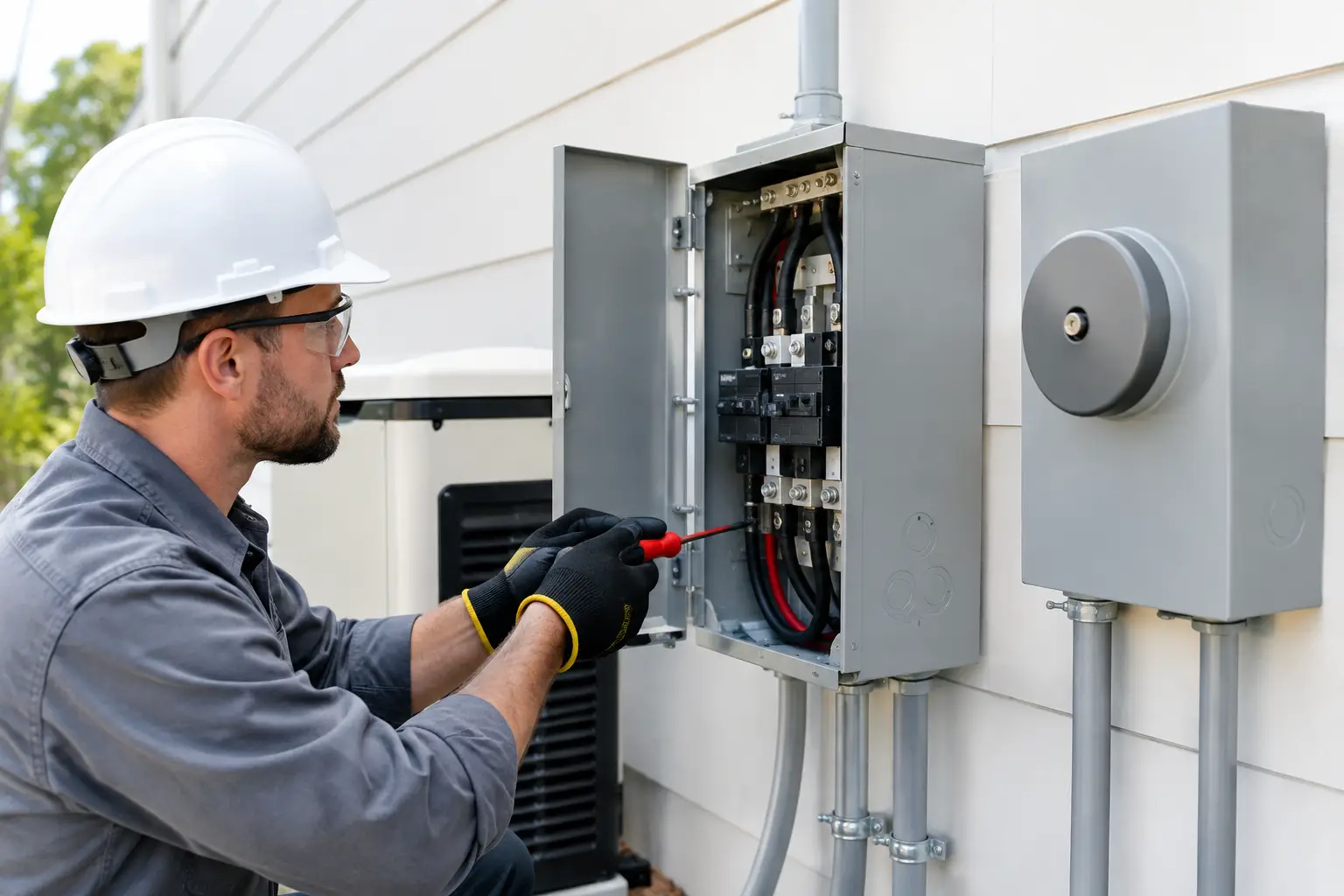
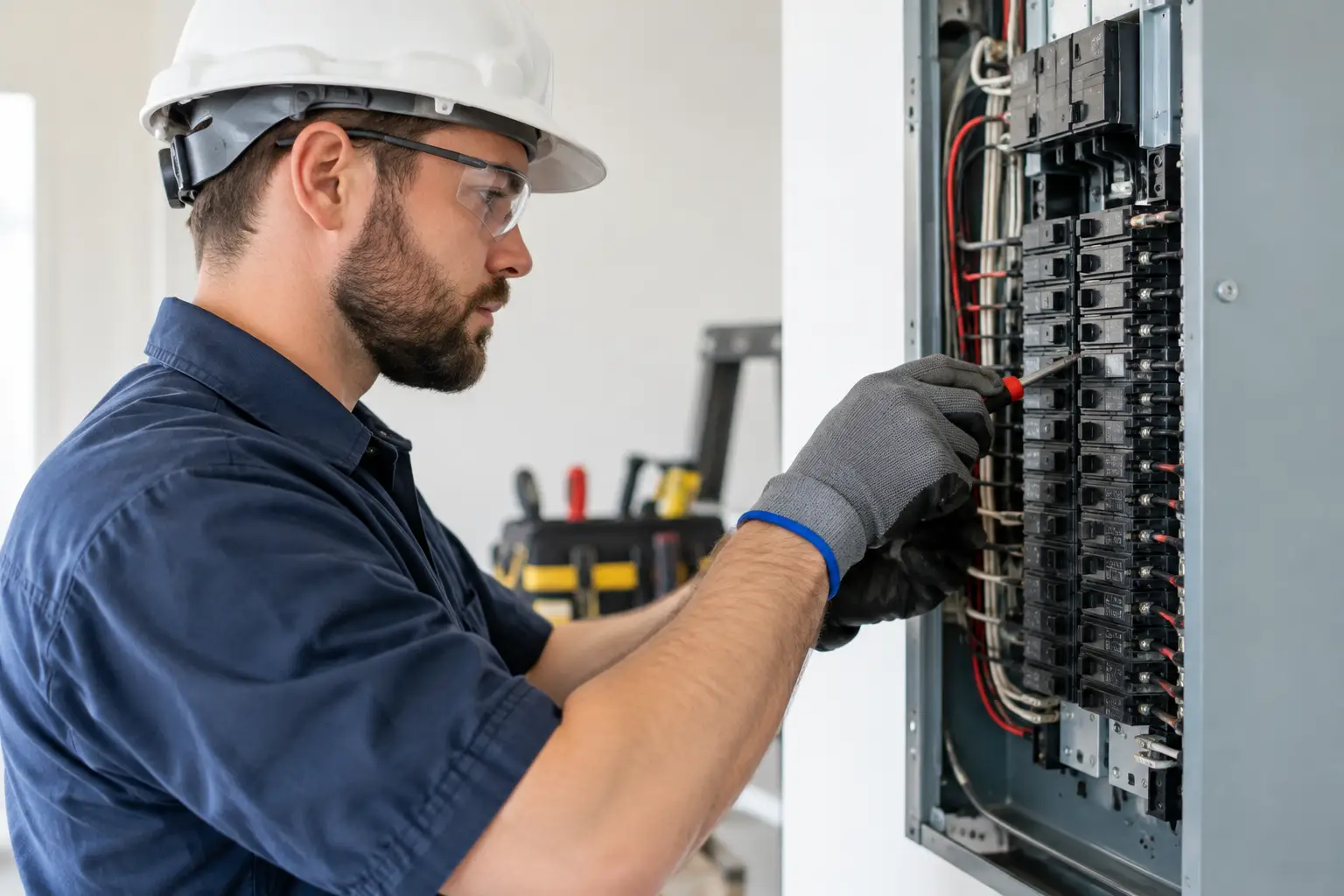
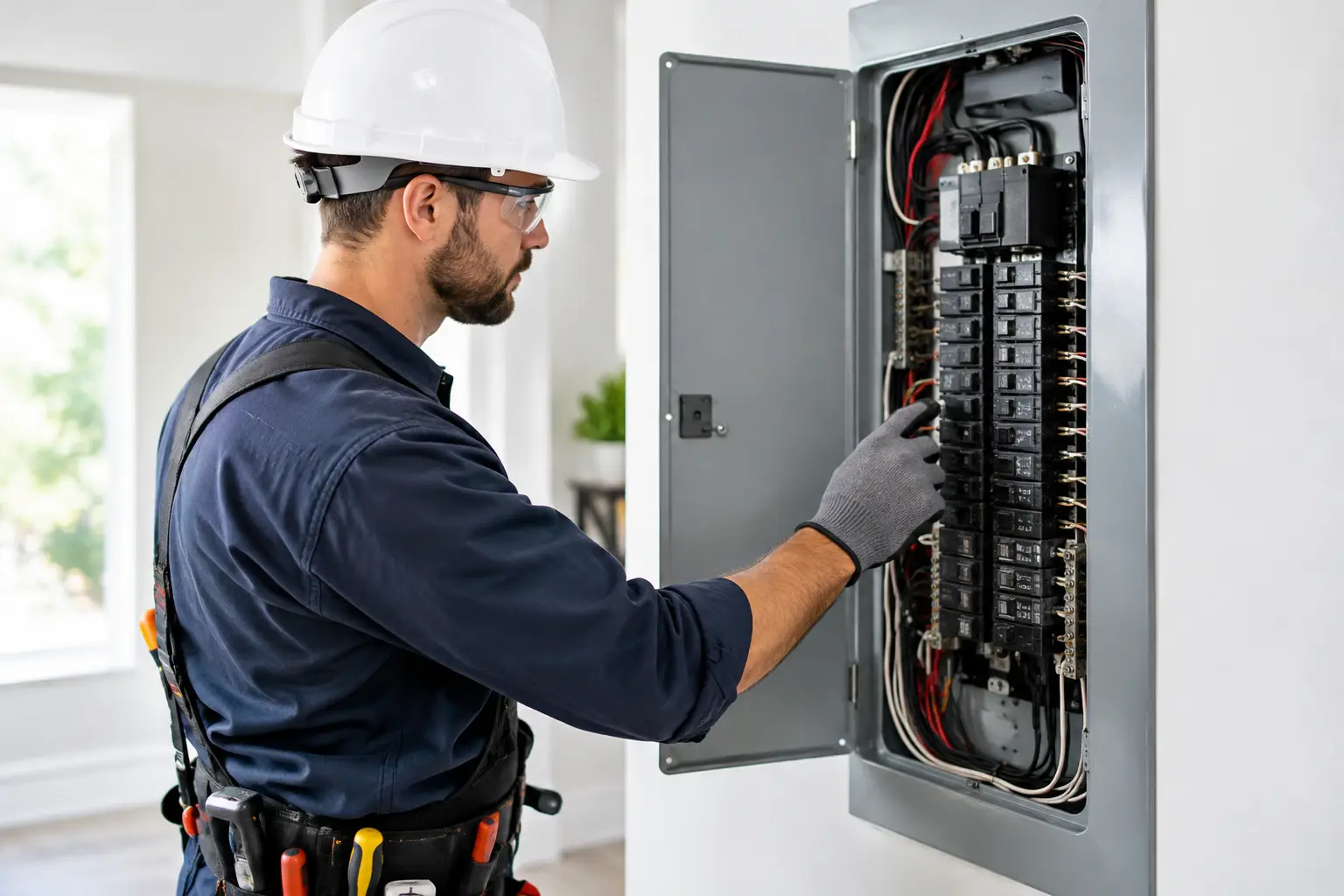
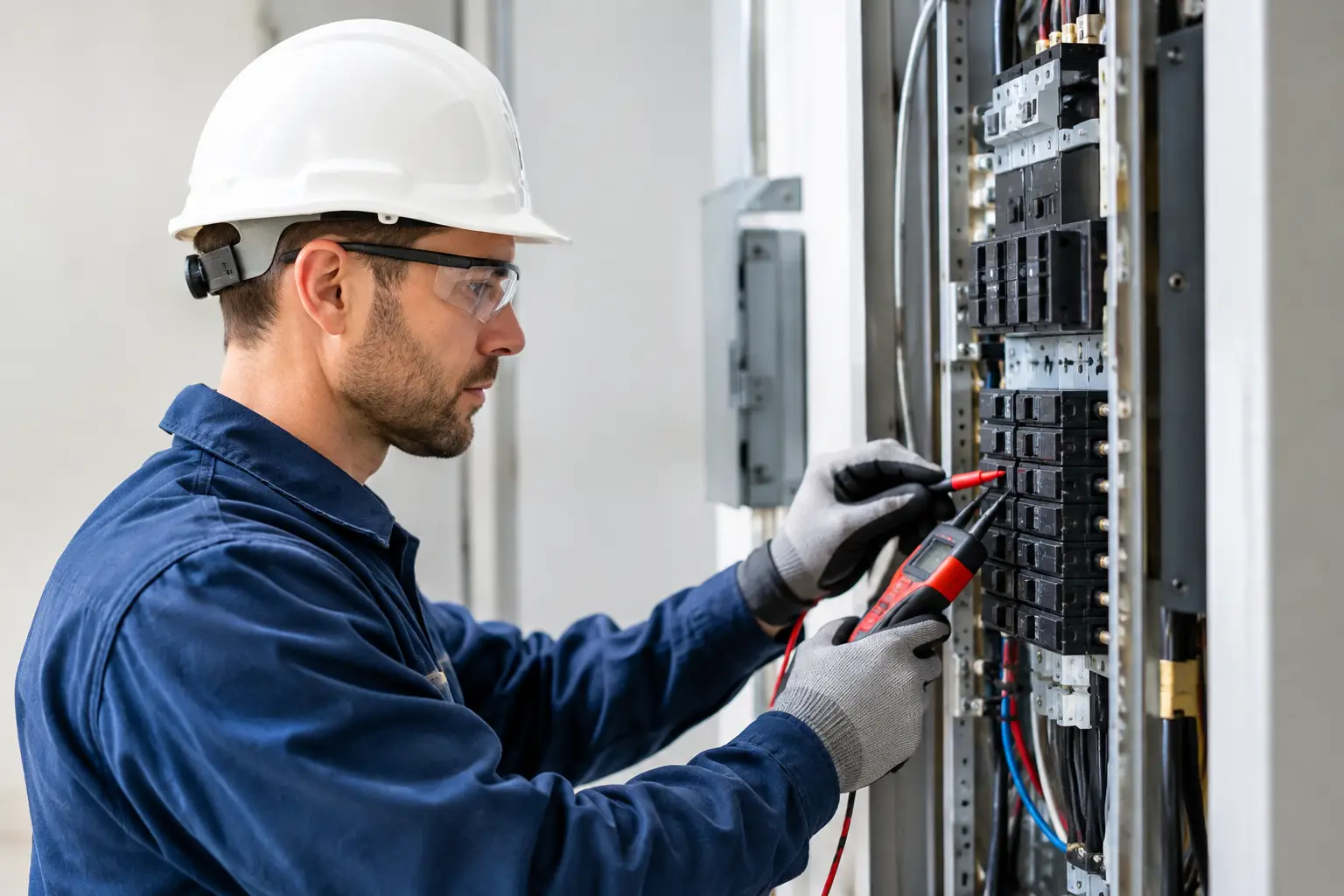
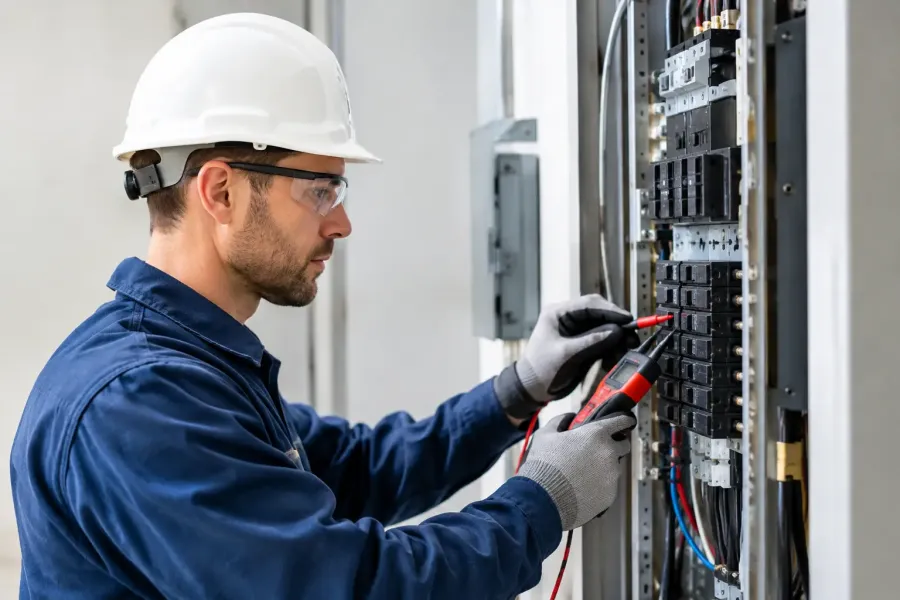
The inspection may include checking the panel for discoloration, heat damage, corrosion, improper breaker types, loose conductors, or signs of arcing. The electrician may measure voltage, verify connections, evaluate circuit loading, and test the breaker according to the type of system and the symptoms present. If the breaker is turned off and work must be performed inside the panel, that work should be handled by a qualified, licensed professional.
A breaker that remains on does not automatically pass inspection. Likewise, a breaker that trips is not automatically defective. It may be responding correctly to an overloaded circuit or a short circuit downstream. Proper diagnosis matters because replacing a breaker without correcting the underlying problem can leave the hazard in place.
Signs You Should Schedule Circuit Breaker Testing
Some electrical concerns warrant a service call even if power has returned. Heat, odor, noise, and repeated tripping are not inconveniences to ignore. They can point to conditions that become more serious with continued use.
Schedule an evaluation if a breaker trips repeatedly after you reduce the load, will not reset, or trips immediately after resetting. Other warning signs include a hot panel cover, a buzzing or crackling sound, a burning smell, flickering lights on the same circuit, or visible discoloration around a breaker or outlet.
For commercial and industrial properties, testing is also wise when equipment starts unexpectedly shutting down, motors struggle to start, sensitive electronics experience interruptions, or a panel has been exposed to moisture, dust, vibration, or heat. Downtime has a cost, but forcing a breaker back on without finding the cause can damage equipment and create a larger repair.
Do Not Keep Resetting a Tripped Breaker
A common mistake is repeatedly resetting a breaker until it holds. Each trip is the system communicating that it detected a condition outside normal operation. Continuing to reset it can expose wiring, outlets, appliances, or connected equipment to further stress.
If a breaker trips, turn off or unplug devices on that circuit before attempting one reset. If it trips again, leave it off and arrange professional service. Never hold a breaker in the on position, replace it with a larger breaker, or work inside a panel without the proper training and equipment. A larger breaker does not solve an overloaded or damaged circuit. It can allow wiring to overheat before the breaker opens.
Testing Is Different for Homes, Offices, and Facilities
The right testing method depends on the electrical system. A typical residential concern may involve a 120-volt branch circuit serving outlets, lighting, or kitchen appliances. The electrician may determine that the issue is an overloaded circuit, a loose outlet connection, a failing appliance, or a breaker that should be replaced.
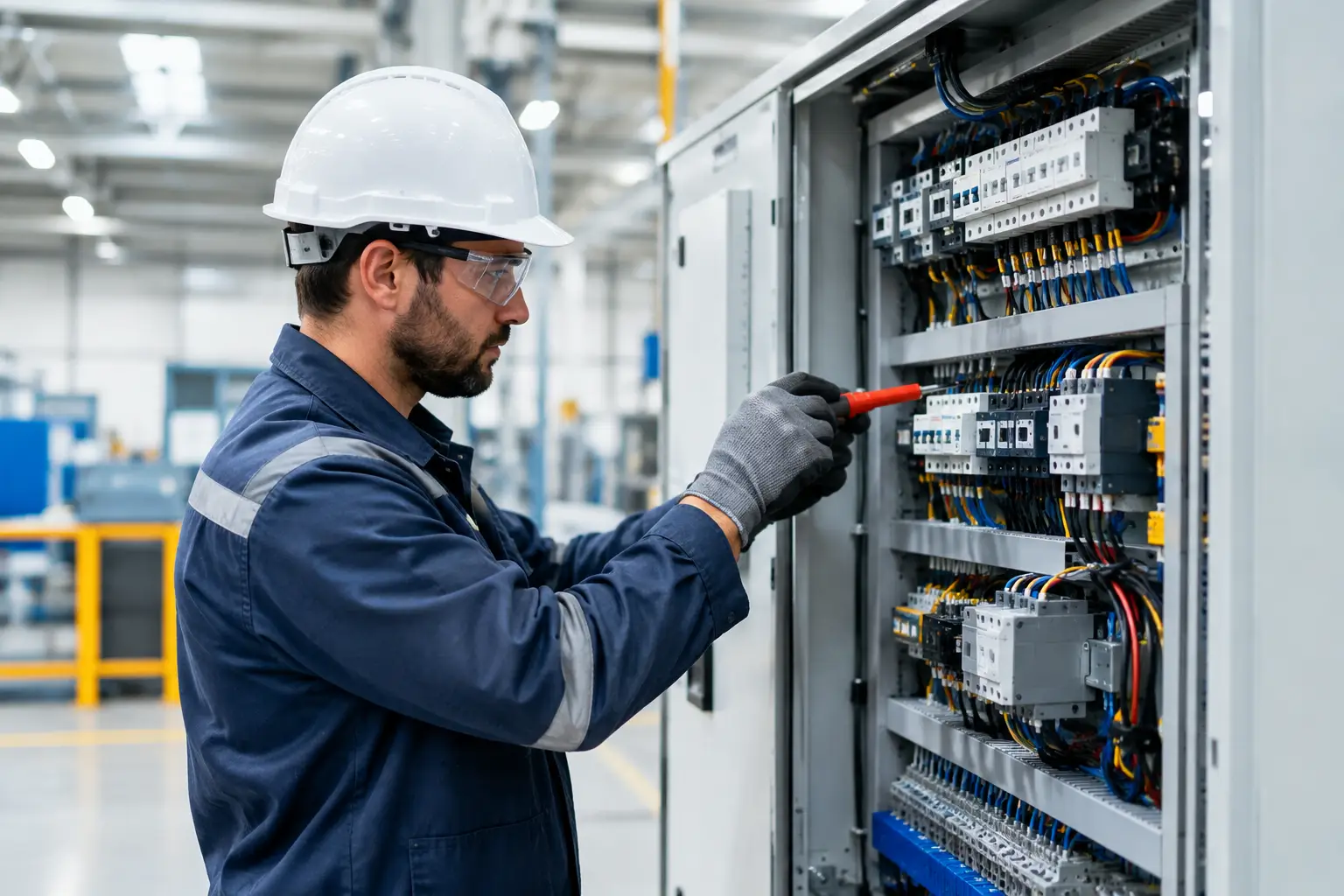
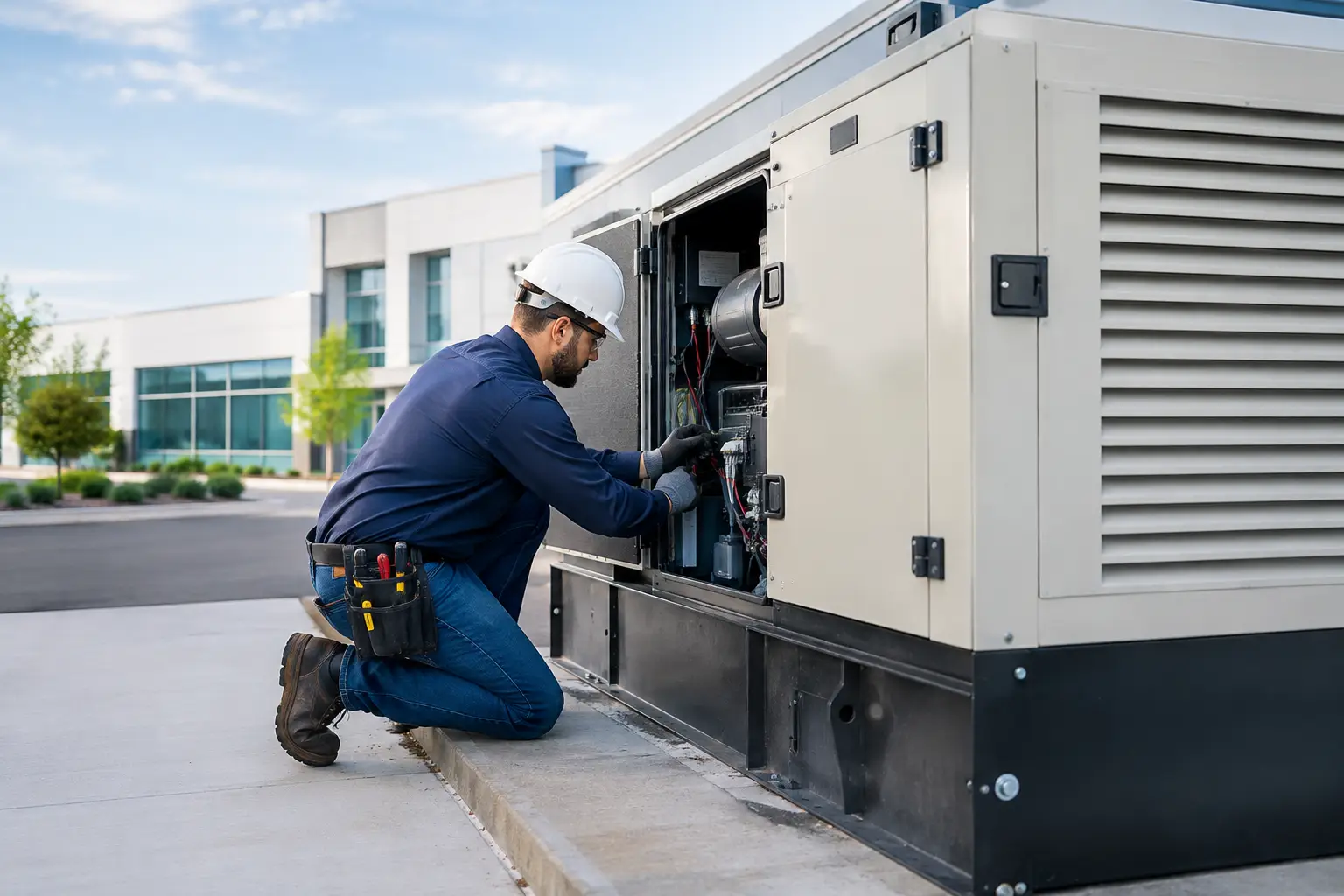
A commercial building may require a closer look at three-phase panels, dedicated equipment circuits, subpanels, load balance, and connections serving refrigeration, lighting, computers, or tenant improvements. In industrial settings, the scope can extend to motor controls, transformers, machinery circuits, disconnects, and higher-capacity breakers. These systems may need specialized diagnostic equipment and planned downtime to test safely.
There is a trade-off between testing only the affected circuit and performing a broader panel evaluation. For a clear, isolated issue, focused troubleshooting may be efficient. For an aging panel, a property with recurring electrical symptoms, or a facility where uptime is critical, a more comprehensive assessment can reveal heat damage, capacity limits, or connection problems before they become an emergency.
GFCI and AFCI Breakers Need Their Own Evaluation
Ground-fault circuit interrupter, or GFCI, breakers are common in areas where moisture is a concern. Arc-fault circuit interrupter, or AFCI, breakers are intended to detect certain dangerous arcing conditions. Both may include a test button, but pressing that button is only a basic functional check. It does not diagnose every wiring issue, nuisance trip, installation concern, or device failure.
If a GFCI or AFCI breaker will not reset, trips without an obvious cause, or repeatedly trips after normal use, an electrician should evaluate the circuit. The answer may be a worn device, but it can also be shared neutrals, damaged wiring, a faulty appliance, moisture intrusion, or an installation issue that requires correction.
What to Expect From a Professional Visit
A reliable electrical service visit should give you clear answers, not vague reassurance. The electrician should identify the affected circuit, inspect related components, test where appropriate, and explain what was found in plain language. If repair or replacement is recommended, you should understand whether the issue is the breaker itself, the panel connection, the wiring, the load being served, or a connected appliance or piece of equipment.
Pricing can depend on access, panel condition, the need for replacement parts, and whether the issue is isolated or widespread. In some cases, a breaker replacement is straightforward. In others, the breaker is only the first symptom of an outdated panel, undersized circuit, damaged conductor, or equipment problem. Honest diagnosis protects you from paying for a quick fix that does not address the actual cause.
Prime Electric brings more than 40 years of electrical experience to residential, commercial, and industrial service calls, with licensed and insured work backed by a workmanship warranty. For property owners, that means a qualified team can evaluate the immediate concern while considering the safety and capacity of the system around it.
Questions Property Owners Often Ask
Can I test a circuit breaker myself?
You can safely observe symptoms and use a breaker handle to turn a circuit off or reset it once after reducing the load. You should not remove a panel cover, touch internal components, measure live panel voltage, or attempt breaker replacement. Electrical panels can contain energized parts even when an individual breaker is off.
How often should breakers be tested?
There is no single schedule that fits every property. A home without symptoms may only need attention during an electrical inspection, renovation, panel upgrade, or after a significant event such as water exposure or a power surge. Properties with heavy electrical demand, aging equipment, or critical operations benefit from planned maintenance based on their equipment and usage.
Does a tripping breaker mean the panel must be replaced?
Not necessarily. One tripping breaker can result from an overloaded circuit, a failing appliance, or a localized wiring issue. Panel replacement may be recommended when there is widespread deterioration, insufficient capacity, obsolete equipment, repeated overheating, or a need to support new loads such as EV charging or upgraded machinery.
Electrical problems rarely become clearer by waiting for the next trip. If a breaker is showing warning signs, arranging a professional evaluation now can protect your property, your equipment, and the people who rely on both.