Emergency Electrician Services You Can Trust
[ez-toc]
A breaker that will not reset at 10 p.m. is not just inconvenient. A burning smell near the panel, flickering lights across multiple rooms, or a dead circuit feeding critical equipment can turn into a safety issue fast. That is when emergency electrician services matter – not as a luxury, but as the right response to protect people, property, and operations.
Electrical emergencies rarely arrive at a good time. For homeowners, they interrupt sleep, shut down HVAC systems, spoil food, or create fire risk. For property managers and business owners, they can affect tenant safety, security systems, network equipment, refrigeration, machinery, and business continuity. The first priority is always safety. The second is getting a licensed electrician involved before a small problem becomes a larger and more expensive one.
What counts as an electrical emergency?
Not every electrical problem requires an after-hours dispatch, but some situations should never wait until the next convenient appointment. If you smell something burning near outlets, switches, or the panel, treat that as urgent. The same goes for visible sparking, smoke, buzzing from the breaker box, partial power loss tied to overheating equipment, or repeated breaker trips that happen immediately after resetting.
There are also less obvious cases. A damaged service mast after a storm, water exposure around energized equipment, a panel that feels hot to the touch, or a failed circuit feeding medical devices, sump pumps, security systems, refrigeration, servers, or production equipment can all justify emergency service. In commercial and industrial settings, downtime itself can create secondary problems. A failed circuit may shut down lighting in a tenant space, interrupt point-of-sale systems, or stop a machine in a way that affects safety and output.
On the other hand, a single nonessential outlet that stopped working may be urgent to you but not necessarily an emergency. That distinction matters because a reputable electrician will tell you plainly what should be handled right away and what can be scheduled for standard service. Good service is not about overselling urgency. It is about matching the response to the actual risk.
What to do before emergency electrician services arrive
Start by protecting people, not by troubleshooting deeply. If there is smoke, active sparking, or signs of fire, call 911 first. If it is safe to do so, shut off power at the main breaker. Do not touch wet electrical equipment, exposed wires, or damaged panels. Keep children, employees, tenants, and customers away from the affected area.
If the issue involves one branch circuit and there is no sign of heat or burning, you can turn off the individual breaker and leave it off. Do not keep resetting a tripping breaker. Breakers trip for a reason, and repeated resets can worsen the problem. If power loss affects critical systems, note what equipment went down and when the issue started. That information helps the electrician diagnose the fault faster.
It also helps to look for context without putting yourself at risk. Did the problem start after plugging in a new appliance? After rain? During heavy HVAC use? After a vehicle struck outdoor equipment? Those details can point to overloads, ground faults, moisture intrusion, failing breakers, damaged conductors, or utility-side issues.
Why licensed emergency electrician services matter
In an emergency, speed matters, but credentials matter just as much. Electrical systems are not forgiving. The wrong repair can leave hidden hazards inside walls, panels, junction boxes, or equipment enclosures. That is why licensed and insured electricians are the right choice for emergency work.
A qualified electrician does more than restore power. They identify the root cause, check whether there is code exposure, and determine if any temporary measures are safe or if a permanent repair is required immediately. In older Los Angeles properties, that may mean uncovering worn insulation, overloaded circuits, outdated panels, bootleg grounds, damaged meter components, or wiring altered by previous unqualified work.
For commercial and industrial properties, the stakes are even higher. Emergency calls may involve three-phase equipment, transformers, dedicated circuits, data and telecom infrastructure, or machinery controls. A contractor with broader system experience can handle the urgent issue while also protecting the larger electrical environment around it.
Common problems found during emergency calls
A surprising number of emergencies come back to the same few causes. Aging panels and failing breakers are common, especially where electrical demand has increased over time. Homes and buildings that now support EV chargers, larger HVAC loads, modern kitchen equipment, office electronics, or production machinery can outgrow what the original system was built to handle.
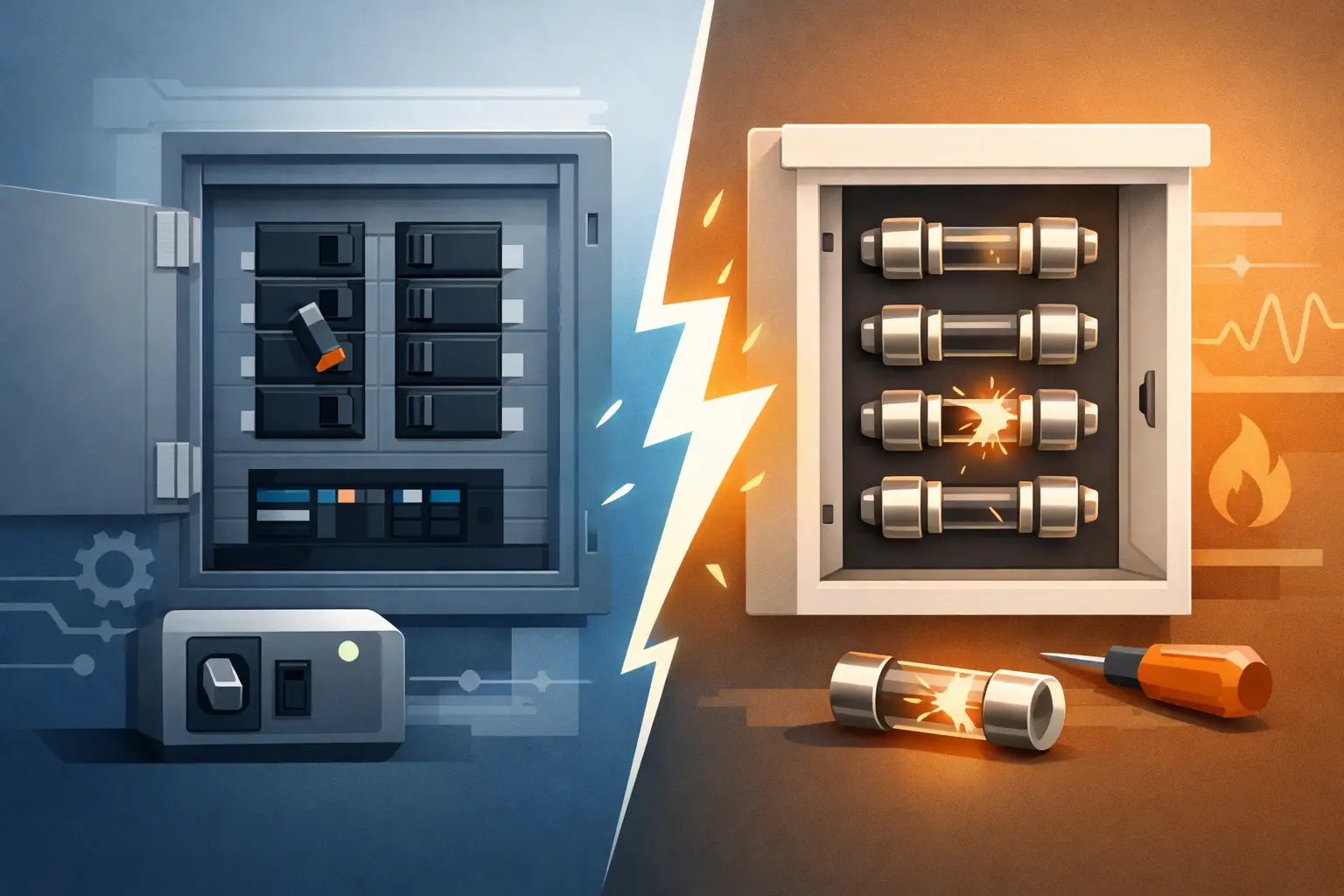
Loose connections are another frequent culprit. A loose lug in a panel, a bad splice, or a worn receptacle can create heat long before it fully fails. That is often why customers report buzzing, intermittent outages, or a faint burning odor before total loss of power.
Water intrusion is also a major issue in outdoor and service equipment. Moisture can affect panels, disconnects, GFCI devices, landscape lighting circuits, pool and spa systems, and exterior outlets. In commercial settings, emergency service calls often involve lighting failures, tripped breakers serving tenant improvements, damaged equipment feeds, or control issues tied to machinery and compressors.
Then there is improper past work. Double-tapped breakers, incorrect wire sizing, unsafe extensions of existing circuits, and mismatched devices can sit unnoticed until the system is stressed. Emergency repairs often reveal problems that have been building for years.
What a professional emergency response should look like
When you call for emergency electrician services, you should expect clear communication from the start. A professional team asks the right questions, gives direct guidance about immediate safety steps, and arrives prepared to diagnose rather than guess.
Once on site, the electrician should inspect the affected area, test components methodically, and explain the issue in plain language. If there are options, you should hear the trade-offs. Sometimes the right move is a same-day permanent repair. Sometimes a safe temporary solution is used to restore critical power while parts are ordered or broader corrective work is scheduled. The key is honesty about what is safe, what is not, and what comes next.
Cleanliness and professionalism matter too, especially in occupied homes, tenant spaces, retail environments, and managed properties. Emergency work is stressful enough without added confusion, mess, or vague answers.
Emergency electrician services for homes and businesses
Residential emergency service often centers on panels, breakers, outlets, lighting circuits, GFCI protection, damaged wiring, and partial power loss. Homeowners usually want two things fast: to know whether the situation is dangerous and to get reliable power back without taking chances. That is a reasonable expectation, and experienced electricians should be able to address both.
For commercial properties, the conversation expands. Business owners and property managers may be dealing with code-sensitive repairs, customer-facing downtime, emergency lighting concerns, refrigeration, security systems, telecom disruption, or tenant complaints. Industrial customers may need support for equipment feeds, controls, high-voltage components, isolated circuits, or specialized machinery. Emergency response in those settings requires not just licensing, but real field experience across different electrical environments.
That broader capability is one reason customers in Los Angeles look for an established contractor rather than whoever answers the phone first. A company like Prime Electric, with decades of service experience across residential, commercial, and industrial work, is better positioned to solve the immediate problem without losing sight of the bigger system.
How to choose the right emergency electrician
When the pressure is on, reputation becomes a practical filter. Look for a licensed, insured electrical contractor with strong local reviews, a long operating history, and a workmanship warranty. Those are not marketing extras. They are signals that the company stands behind its work and has earned trust over time.
Ask direct questions. Will they troubleshoot first? Can they handle panel work, wiring repairs, equipment issues, and safety corrections if the problem is larger than expected? Do they communicate clearly about pricing and next steps? Emergency work can carry different costs than routine service, and that is normal, but the process should still feel transparent and professional.
It also helps to choose a contractor you would trust beyond the emergency itself. Many urgent calls uncover needed upgrades, from panel replacement to wiring correction, surge protection, GFCI improvements, or dedicated circuits for modern loads. A dependable electrician can stabilize the immediate issue and handle the follow-up work correctly.
Electrical emergencies do not wait for business hours, and they rarely stay small when ignored. If something feels wrong – heat, smell, sparking, repeated tripping, sudden loss of critical power – trust that instinct and get a qualified electrician involved. Fast action is not about panic. It is about making a safe, informed decision before the problem has a chance to spread.