Electrical Repair Near Me: What to Check First

[ez-toc]
A breaker that keeps tripping, an outlet that feels warm, or lights that flicker when the AC starts are not problems to put off until the weekend. When you search for electrical repair near me, you need a qualified local electrician who can identify the cause, explain the repair clearly, and complete the work safely.
Electrical issues can be small, such as a failed switch or worn receptacle, but they can also point to overloaded circuits, aging wiring, panel problems, or equipment faults. For homeowners, property managers, business owners, and facility teams, the right response protects people, property, and day-to-day operations.
When Electrical Repair Needs Immediate Attention
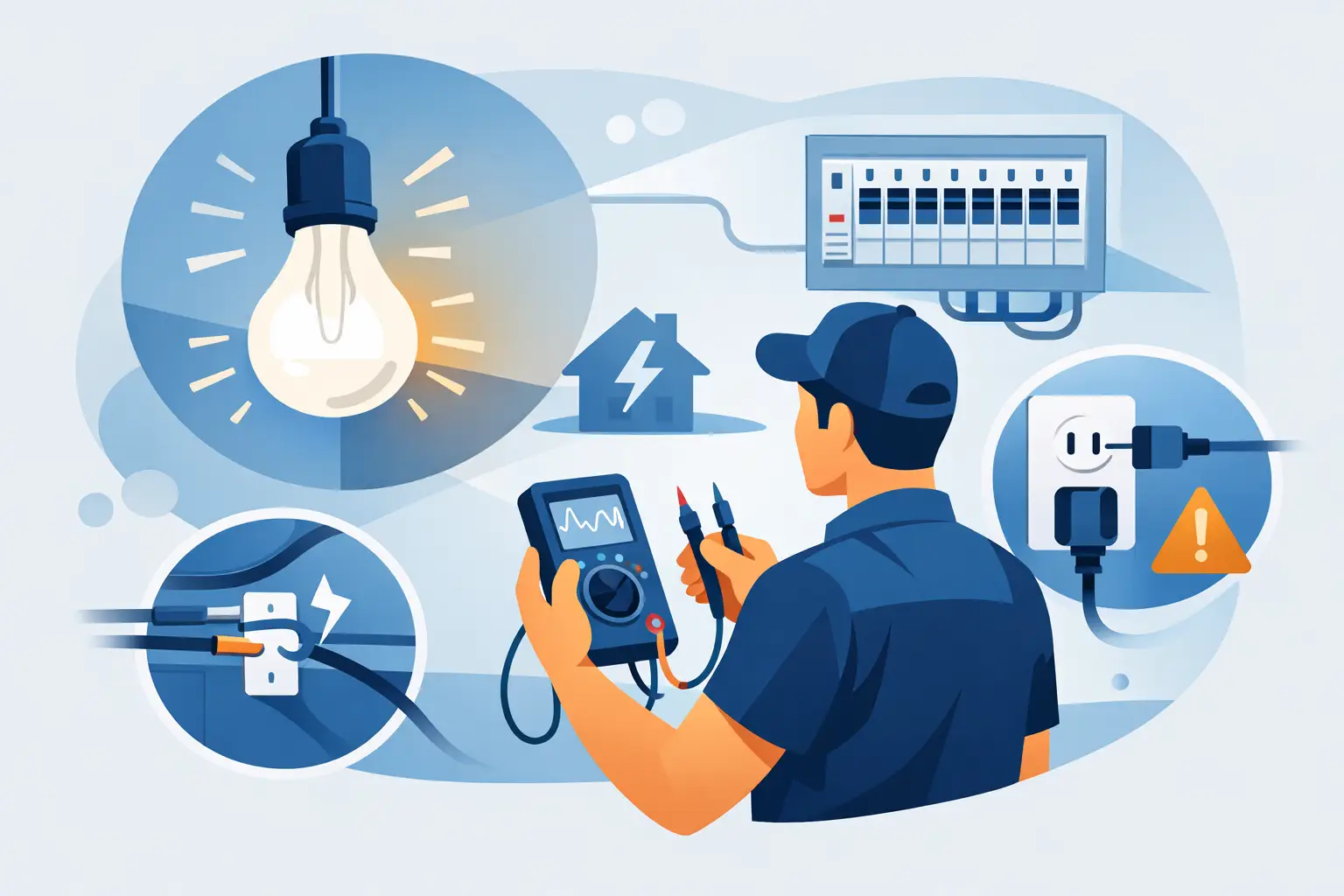
Some electrical problems deserve a service call soon. Others require you to stop using the affected equipment or area until a licensed electrician can inspect it. Burning odors, smoke, buzzing from a panel, sparking outlets, and repeated breaker trips are all warning signs that should be taken seriously.
Turn off power at the breaker only if you can do so safely and without touching damaged equipment. Do not keep resetting a breaker that trips repeatedly. A breaker is designed to interrupt power when it detects an overload, short circuit, ground fault, or other unsafe condition. Resetting it without finding the cause can allow the underlying problem to worsen.
Warm outlets or switches also call for attention, especially if they are discolored, loose, or paired with a burning smell. The same is true when lights dim substantially as large appliances, pumps, compressors, or HVAC equipment start. In a commercial or industrial setting, those symptoms may affect sensitive electronics, machinery controls, or production uptime.
What a Professional Electrical Repair Visit Should Include
A dependable repair starts with diagnosis, not guesswork. An experienced electrician should listen to what you have noticed, inspect the affected circuit or equipment, test where appropriate, and identify whether the issue is isolated or part of a larger electrical concern.
For example, a dead outlet may be caused by a tripped GFCI outlet elsewhere, a failed receptacle, a loose connection, or a damaged circuit. A flickering light may involve the fixture, switch, bulb connection, branch wiring, or electrical panel. The repair depends on the actual source of the issue.
After diagnosis, you should receive a clear explanation of the recommended work. This may include replacing a receptacle or switch, repairing wiring, installing GFCI protection, replacing a breaker, upgrading a panel component, or correcting an overloaded circuit. For major work, the electrician should also discuss permitting and code requirements when they apply.
Clean work practices matter, too. Electrical repairs often take place in living areas, offices, retail spaces, equipment rooms, and occupied facilities. A professional crew respects the property, protects the work area, and leaves it orderly when the job is complete.
Common Electrical Repairs in Los Angeles Properties
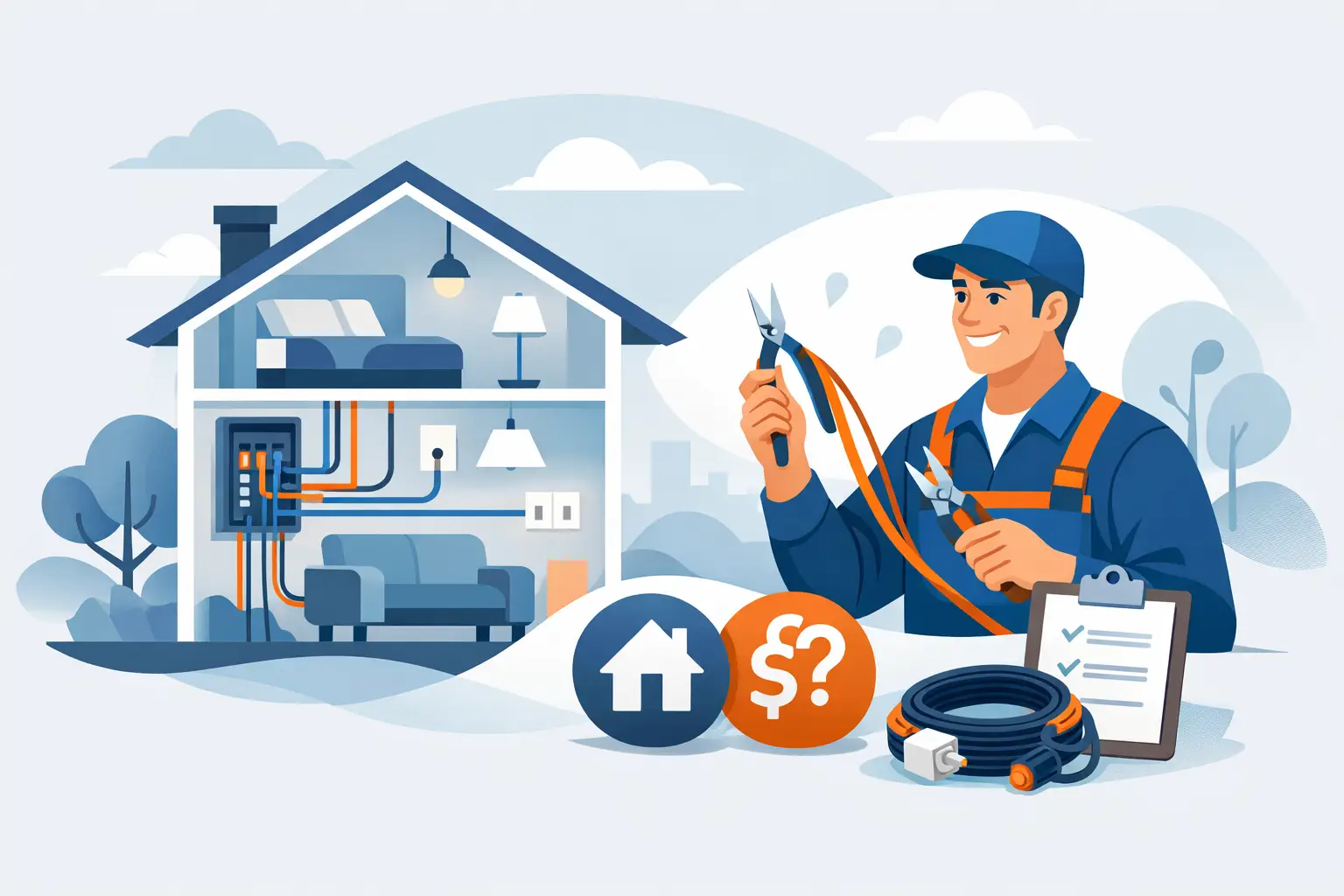
Los Angeles-area properties range from older homes with aging wiring to newer buildings with high electrical demand from EV chargers, smart devices, entertainment systems, HVAC equipment, and business technology. That variety is why a local electrical contractor needs experience beyond basic outlet repairs.
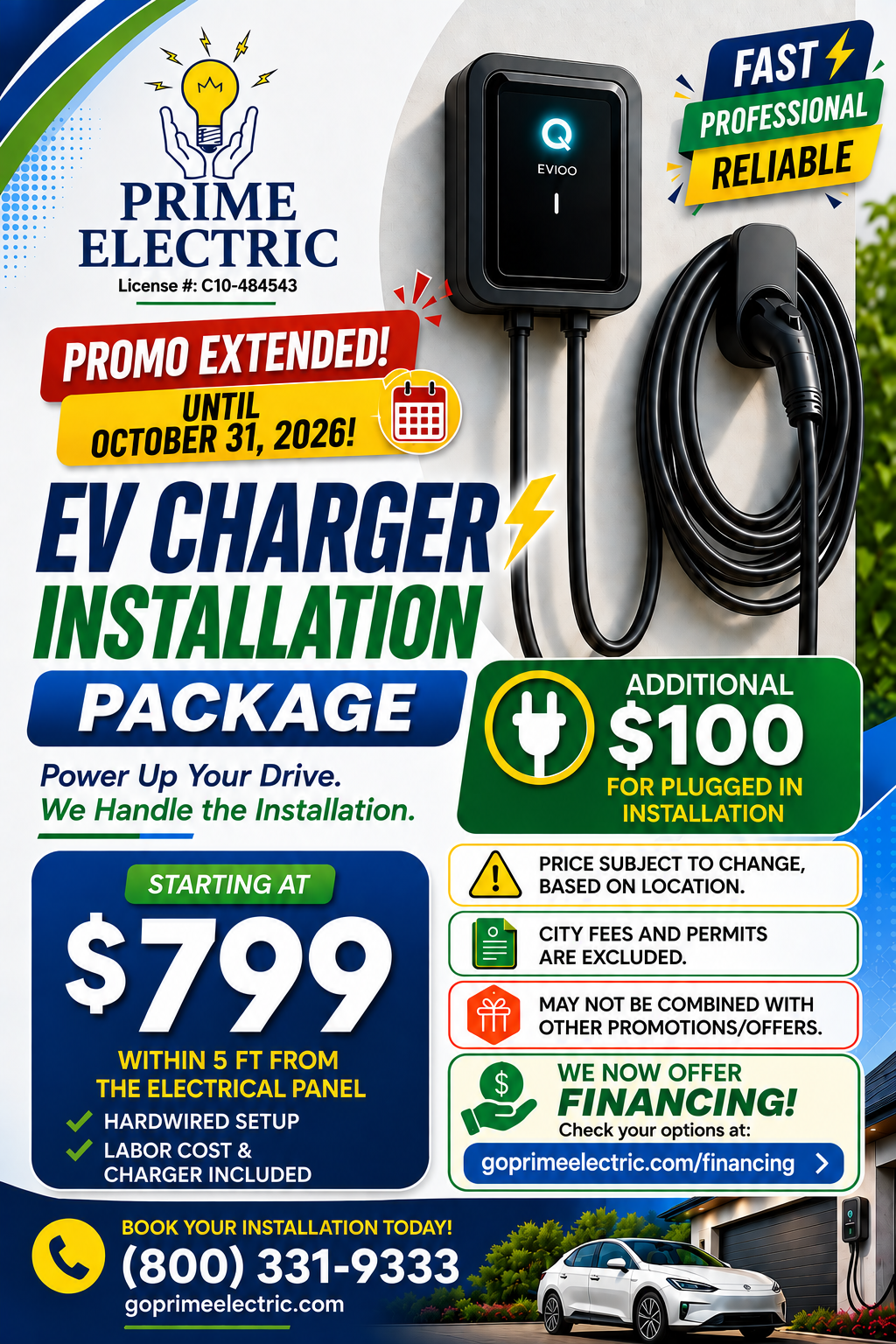
Common residential service calls include circuit breaker repairs, panel upgrades, faulty outlets and switches, GFCI replacement, lighting repair, ceiling fan wiring, surge protection, and troubleshooting for partial power loss. Pool and spa wiring, landscape lighting, and EV charger circuits also require careful installation and repair because moisture, load requirements, and dedicated circuits can all be factors.
Commercial properties often need electrical maintenance that supports everyday uptime. This can include lighting repairs, dedicated circuits, tenant improvements, data and telecom cabling, isolated computer circuits, equipment connections, and electrical troubleshooting for offices, restaurants, retail locations, and multifamily properties.
Industrial repairs can be more specialized. Machinery control repair, transformers, high-voltage wiring, compressor connections, and equipment upgrades require electricians who understand the consequences of downtime and the importance of accurate diagnostics. The lowest initial quote is not always the best value when a repair affects safety, operations, or expensive equipment.
How to Choose Electrical Repair Near Me Without Guesswork
Local search results can make many electricians look similar. Before booking, look beyond a quick promise of same-day service and consider the credentials behind the company. Electrical work affects your home, building, employees, customers, and insurance exposure, so qualifications should be easy to verify.
A reputable contractor should be properly licensed and insured, have a meaningful local track record, and be willing to answer direct questions about the scope of work. Reviews can be useful when they consistently mention professionalism, communication, punctuality, cleanliness, and quality repairs. A workmanship warranty also provides added confidence that the company stands behind the job.
Ask whether the electrician regularly handles your type of project. Replacing an outlet is different from diagnosing a panel issue, wiring an EV charger, repairing a machine control circuit, or upgrading a commercial electrical system. The right electrician has the training and equipment to perform the work safely rather than treating a complex issue as a routine service call.
Price matters, but an estimate should be understood in context. A lower price may reflect a simpler scope, while a more detailed estimate may include better materials, code corrections, permit coordination, or troubleshooting time. If estimates differ significantly, ask what is included and what condition the electrician expects to find. Clear answers are a sign of a professional service provider.
Repairs, Upgrades, or Replacement: What Makes Sense?
Not every electrical problem requires a major upgrade. A single failed switch, damaged light fixture, or worn GFCI outlet can often be repaired or replaced quickly. On the other hand, repeated issues can indicate that a targeted repair will only offer short-term relief.
An electrical panel may need evaluation when breakers trip frequently, additions have outgrown available capacity, corrosion is present, or the system cannot safely support new loads. This is especially relevant when adding an EV charger, hot tub, central air conditioning, workshop equipment, or commercial machinery.
Older wiring also deserves a careful assessment. The decision to replace wiring depends on its condition, the building’s age, visible damage, previous alterations, current load demands, and local code requirements. A qualified electrician can explain whether a focused repair is appropriate or whether a phased upgrade is the safer long-term plan.
Surge protection is another example of a practical upgrade that may prevent future repairs. Modern homes and businesses rely on electronics, appliances, network equipment, and controls that can be vulnerable to electrical surges. The best approach depends on the property, the panel, and the equipment you want to protect.
Questions Customers Often Ask
Can I repair an outlet or breaker myself?
Changing a lamp bulb is one thing. Electrical repair inside an outlet box, panel, junction box, or hardwired appliance introduces shock, fire, and code risks. DIY work can also conceal damaged wiring or create problems that are more expensive to correct later. A licensed electrician is the safer choice when the issue involves wiring, breakers, panels, GFCIs, or equipment connections.
Why does my breaker keep tripping?
It may be overloaded, but a repeated trip can also signal a short circuit, ground fault, failing appliance, damaged wire, or faulty breaker. Unplugging devices can help isolate a simple overload, but do not continue resetting the breaker if it trips again. Schedule professional troubleshooting to determine the cause.
Do I need a permit for electrical repairs?
It depends on the scope and local requirements. Minor repairs may not require one, while panel replacements, new circuits, major rewiring, EV charger installations, and certain commercial upgrades often do. A qualified contractor can explain the requirements for your specific project.
For more than 40 years, Prime Electric has helped Los Angeles-area customers address everything from everyday electrical repairs to complex commercial and industrial electrical work. Licensed, insured service, more than 400 five-star reviews, and workmanship warranty coverage give customers practical reasons to choose experienced help when the electrical system needs attention.
If an electrical issue is disrupting your home, property, or business, act before a small warning sign becomes a larger repair. A clear diagnosis from a qualified local electrician gives you the information to make the right decision with confidence.