Are Federal Pacific Panels Safe? What to Know
[ez-toc]
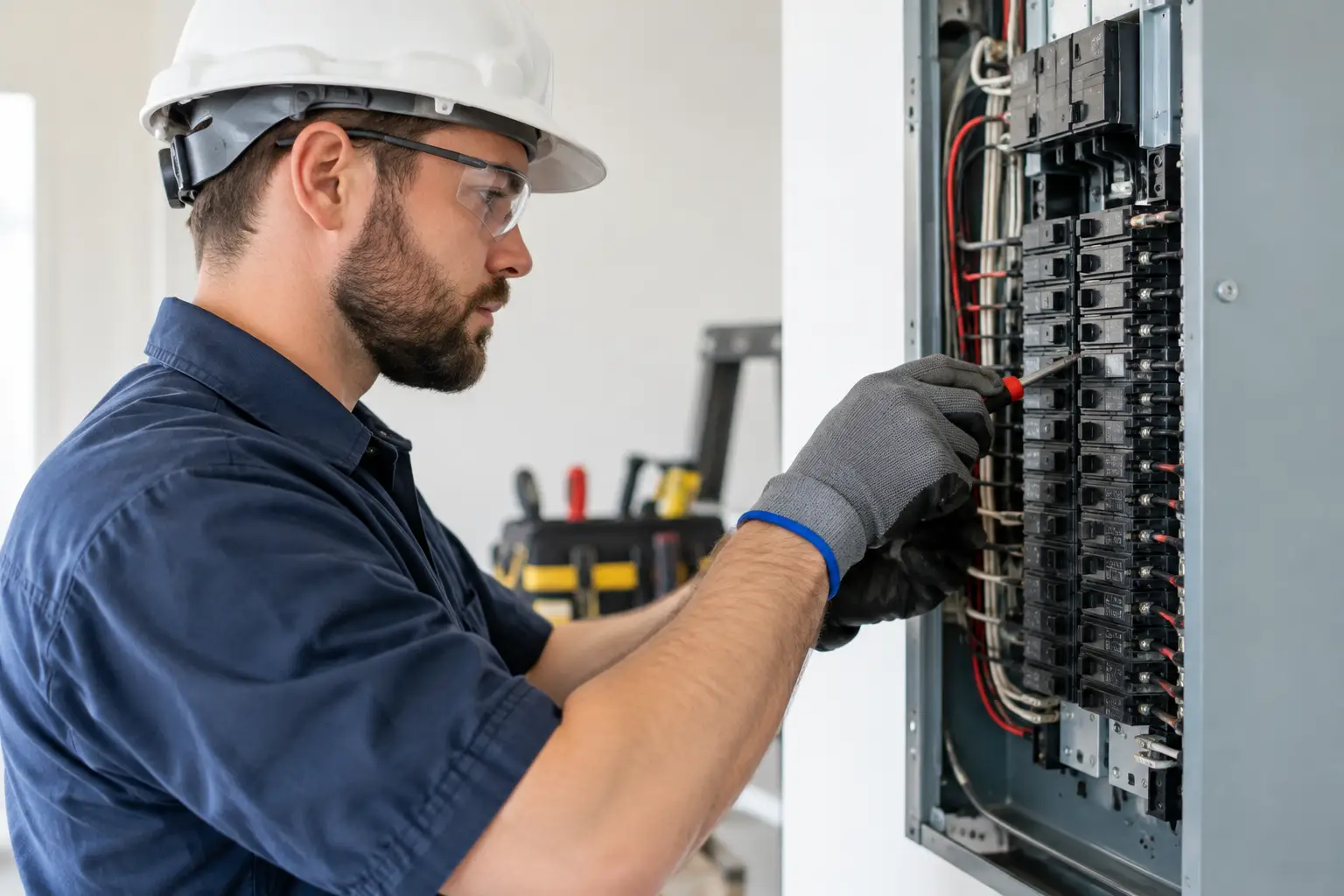
A Federal Pacific Electric panel can sit quietly in a garage, hallway, or utility room for decades while appearing to work normally. That is what makes the question, are Federal Pacific panels safe, so serious. The concern is not whether the lights turn on today. It is whether a breaker will reliably shut off power when a circuit is overloaded or shorted – the moment when the electrical system has to protect your property.
Federal Pacific Electric, often identified by the FPE name or its Stab-Lok breaker design, is common in older homes and some multifamily properties. If your building has one, the right next step is not panic or a do-it-yourself breaker swap. It is a clear assessment by a licensed electrician who can evaluate the panel, its condition, its load, and the safest path forward.
Are Federal Pacific Panels Safe?
Most licensed electricians recommend replacing Federal Pacific panels rather than relying on them for long-term protection. The concern stems from long-standing reports, testing, and litigation involving certain FPE Stab-Lok breakers that may fail to trip under overload or fault conditions.
A circuit breaker has one primary job: interrupt the flow of electricity when current rises to an unsafe level. If it does not trip when it should, wiring can overheat behind walls, at outlets, or inside equipment. That raises the risk of electrical fire and property damage.
Not every Federal Pacific panel will show visible damage, and not every breaker will fail in the same way. That uncertainty is part of the problem. A panel can look clean and still contain breakers with questionable protective performance. Because a visual inspection cannot prove that every breaker will operate correctly during a fault, replacement is generally the more dependable solution.
Why These Panels Raise Concerns
Federal Pacific panels were widely installed in homes built or remodeled from roughly the 1950s through the 1980s. Many are labeled Federal Pacific Electric, FPE, or Stab-Lok. Some panels may have similar-looking equipment, so proper identification matters before making decisions.
The safety concerns center on breaker reliability. Breakers are designed to trip when a circuit is overloaded, such as when too many appliances draw power on one circuit, or when a short circuit occurs. Reports about certain FPE breakers have raised concerns that they may remain energized under conditions where they should disconnect.
There are also practical age-related issues. Even if the original breaker design were not a concern, older panels may have worn connections, corrosion, heat damage, ungrounded circuits, undersized service capacity, or modifications made over many years. In Los Angeles homes, it is common to find an older panel serving electrical demands it was never designed to handle, including central air conditioning, modern kitchen appliances, home office equipment, and EV charging.
A panel replacement addresses more than the name on the cover. It gives a qualified electrician the opportunity to correct unsafe wiring conditions, properly size circuits, improve grounding and bonding, add required protection, and create room for future electrical needs.
Signs You Should Schedule an Electrical Inspection
A Federal Pacific panel deserves professional attention even if it appears to be functioning. The need becomes more urgent if you notice heat, odors, flickering, repeated breaker trips, or other signs of electrical trouble.
Call a licensed electrician promptly if you experience any of the following:
- A breaker feels warm, looks discolored, makes buzzing sounds, or will not reset properly.
- Lights dim or flicker when appliances, air conditioning, or other large equipment starts.
- Breakers trip repeatedly, or a breaker does not trip despite an overloaded circuit.
- You smell burning plastic, notice scorch marks, or see corrosion or moisture near the panel.
- The panel is full, contains double-tapped breakers, or has unmarked circuits and improvised additions.
A burning odor, smoke, crackling, or a hot panel is not a wait-and-see issue. Keep clear of the equipment, avoid touching the panel or attempting a repair, and contact an emergency electrical professional. If there is an immediate fire risk, call emergency services.
Can You Replace Only the Breakers?
Replacing individual breakers may seem like the lower-cost option, but it does not necessarily resolve the underlying concern. The panel bus, breaker connection design, age of the equipment, condition of the wiring, and overall capacity all affect safety and reliability.
There are situations where an electrician may replace a damaged breaker as part of a larger repair plan. But installing replacement breakers does not automatically make an aging FPE panel equivalent to a modern panelboard. It also may not address limited capacity, lack of space for required circuits, or outdated grounding and surge protection.
A licensed inspection should determine whether a targeted repair is appropriate or whether full panel replacement is the responsible recommendation. For many property owners, replacing the panel once is a better long-term investment than repeatedly spending money on an obsolete system with unresolved safety concerns.
What Happens During a Panel Evaluation
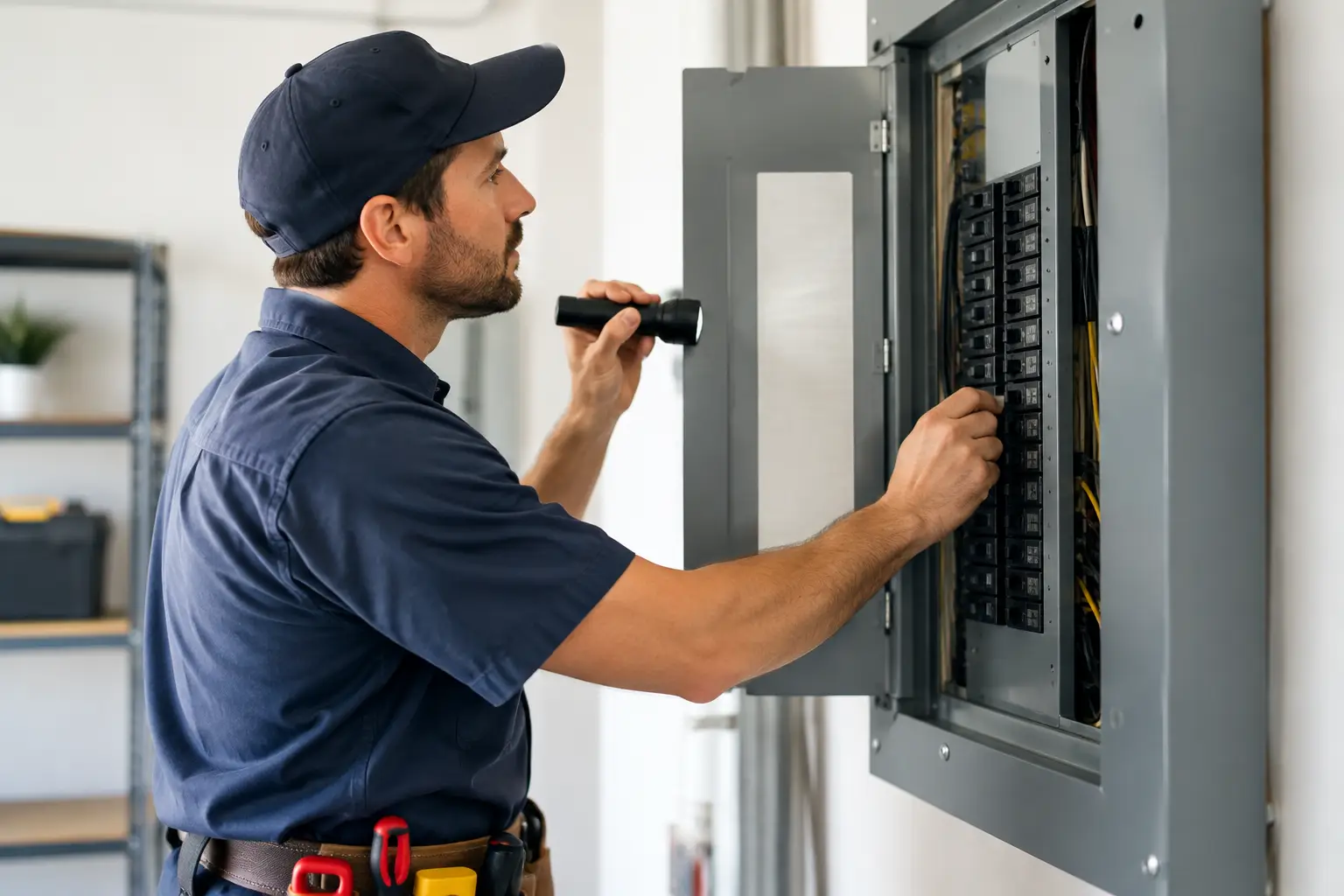
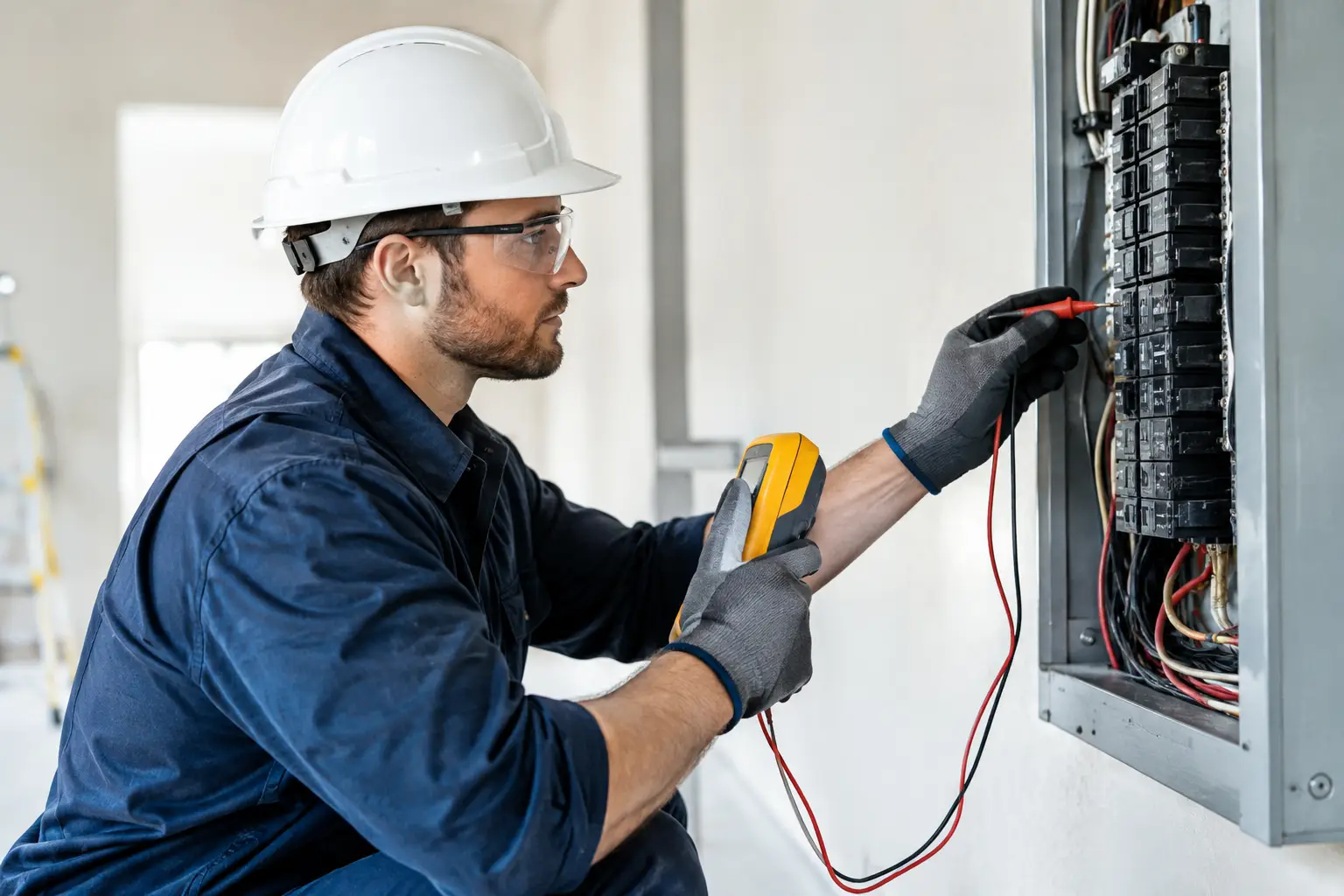
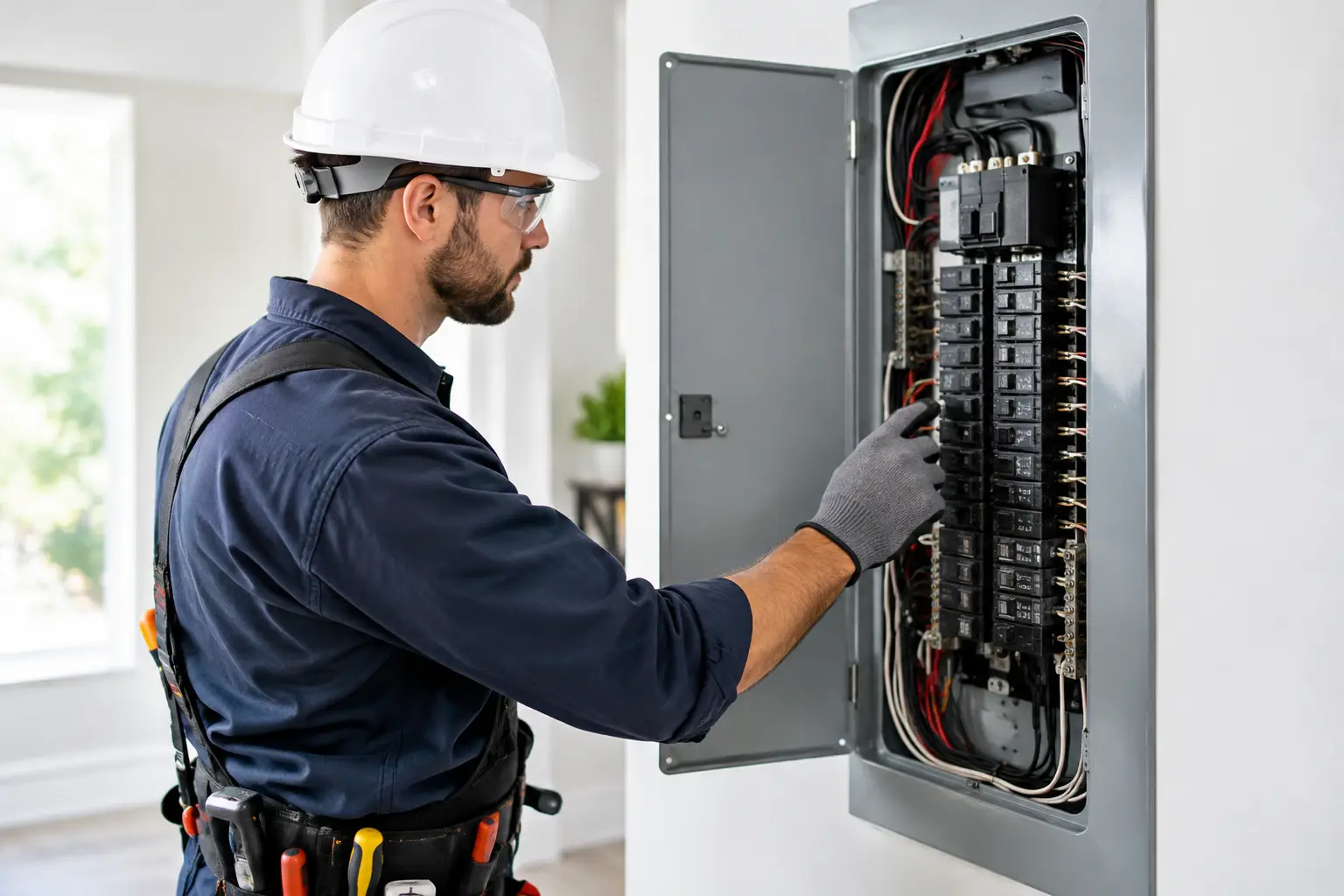
A professional evaluation should be practical, not alarmist. An electrician will first identify the panel and review its visible condition. They will look for overheating, corrosion, improper wiring, overloaded circuits, missing knockouts, loose connections, and signs of prior unpermitted work.
They should also assess your electrical demand. A home that once needed power for basic lighting and a few outlets may now support high-load appliances, HVAC equipment, pool equipment, workshop tools, or an electric vehicle charger. Commercial properties may have additional needs involving dedicated equipment circuits, data systems, machinery, or tenant improvements.
If replacement is recommended, the electrician can explain the scope of work, including service capacity, permit requirements, utility coordination when needed, grounding and bonding upgrades, circuit labeling, and available safety features. The goal is a code-compliant installation that fits the property rather than a one-size-fits-all replacement.
Benefits of Replacing an FPE Panel
A modern electrical panel provides more than peace of mind. It creates a safer foundation for the rest of the electrical system and can prevent expensive complications during a remodel, property sale, insurance review, or equipment upgrade.
Newer panels offer more reliable breaker protection and can provide space for dedicated circuits. That matters when adding an EV charger, upgrading a kitchen, installing new HVAC equipment, or improving a commercial workspace. Depending on the property, a panel upgrade may also allow for GFCI and AFCI protection where required, whole-home surge protection, clearer circuit identification, and properly sized breakers.
For landlords and property managers, proactive replacement can also reduce the disruption of emergency calls and help protect tenants, equipment, and operations. For business owners, dependable electrical distribution supports uptime. The cost of an unplanned shutdown often exceeds the cost of a planned upgrade.
Frequently Asked Questions About Federal Pacific Panels
Are Federal Pacific panels illegal?
Not necessarily. An existing panel is not automatically illegal simply because it is Federal Pacific. However, the equipment’s history and reliability concerns lead many electricians, insurers, and property professionals to recommend replacement. Current code requirements may also apply when the panel is altered, upgraded, or replaced.
Will home insurance cover a house with an FPE panel?
Insurance requirements vary by carrier and policy. Some insurers may request additional information, require replacement, limit coverage, or decline to insure a property with an FPE panel. If you are buying, selling, or insuring a property, it is wise to address the panel early rather than waiting for a deadline.
Can an FPE panel pass an inspection?
An inspection result depends on the scope of the inspection and the visible condition of the equipment. Passing a visual inspection does not guarantee that an individual breaker will respond properly under every fault condition. A qualified electrician can explain the difference between visible code issues and the broader reliability concern associated with the panel.
Should I replace the panel before installing an EV charger?
Possibly. EV chargers are continuous, high-demand loads that require proper load calculations, circuit sizing, and available panel capacity. If your property has a Federal Pacific panel, the charger evaluation is an appropriate time to discuss a panel upgrade rather than adding significant demand to outdated equipment.
If you have identified a Federal Pacific panel, treat it as a reason to plan, not a reason to guess. Prime Electric can evaluate the condition of your electrical system, explain the available options clearly, and complete panel upgrades with the professional workmanship and attention to safety your property deserves.