High Voltage Wiring Services for Safe Facilities

[ez-toc]
A failed high-voltage connection is not a routine inconvenience. It can shut down equipment, interrupt tenant operations, damage sensitive controls, and create a serious safety exposure. High voltage wiring services address the electrical systems that carry substantial power to transformers, machinery, large HVAC equipment, distribution gear, and other critical loads. The work demands experienced diagnosis, careful planning, and strict attention to applicable electrical codes.
For a property owner or facility manager, the goal is not simply to get power back on. It is to correct the underlying issue, protect people and equipment, and leave the system in a condition that supports dependable operation. That is why high-voltage work should be handled by a licensed, insured electrical contractor with the experience to work beyond ordinary branch circuits.
When High Voltage Wiring Services Are Needed
The term “high voltage” can mean different things depending on the type of property, equipment, and governing standards. In many commercial and industrial settings, it refers to higher-capacity electrical distribution and equipment connections that require specialized training, procedures, and tools. The important question is not the label alone. It is whether the system serves a major load, involves energized distribution equipment, or has the potential to cause significant damage or injury if it is handled incorrectly.
High voltage wiring services may be needed during a new equipment installation, a facility expansion, an electrical upgrade, or after an unexpected failure. A manufacturing operation may need a machine reconnected after relocation. A commercial property may need a transformer, switchgear component, or large motor circuit evaluated. A homeowner with specialty equipment, such as a large pool system or a substantial electrical upgrade, may also need an electrician capable of assessing higher-demand wiring safely.
Warning signs deserve prompt attention, particularly when they affect essential equipment. Common reasons to schedule an inspection include:
- Breakers that trip repeatedly when large equipment starts or runs
- Heat, discoloration, buzzing, or a burning odor near electrical panels or equipment connections
- Voltage irregularities that affect motors, controls, lighting, or computer-based systems
- Equipment upgrades that exceed the capacity of existing wiring, breakers, or distribution components
These symptoms do not always point to the same cause. A tripping breaker may be doing its job by responding to an overload or fault. Heat at a connection may come from a loose termination, corrosion, undersized conductors, or equipment that is drawing more current than expected. A qualified electrician investigates the system rather than treating the visible symptom as the whole problem.
The Risks of Delaying Electrical Repairs
High-capacity electrical systems can hide problems until demand rises. A connection that appears acceptable during a quick visual check may overheat under a sustained load. Aging insulation, damaged conduit, moisture intrusion, improper grounding, and modifications completed without adequate engineering can all contribute to failure.
Delaying repairs can turn a manageable service call into damaged equipment, prolonged downtime, or a fire risk. It can also complicate insurance claims and create compliance concerns for commercial property owners. For businesses, downtime has a direct cost: interrupted production, lost sales, missed deadlines, and frustrated tenants or customers.
There is also a practical scheduling reason to act early. Planned electrical work gives the contractor and facility team time to evaluate access, coordinate shutdowns, identify replacement parts, and complete the job with less disruption. Emergency repairs are sometimes unavoidable, but a planned repair or upgrade usually offers more control over cost and operations.
What Professional High Voltage Wiring Work Includes
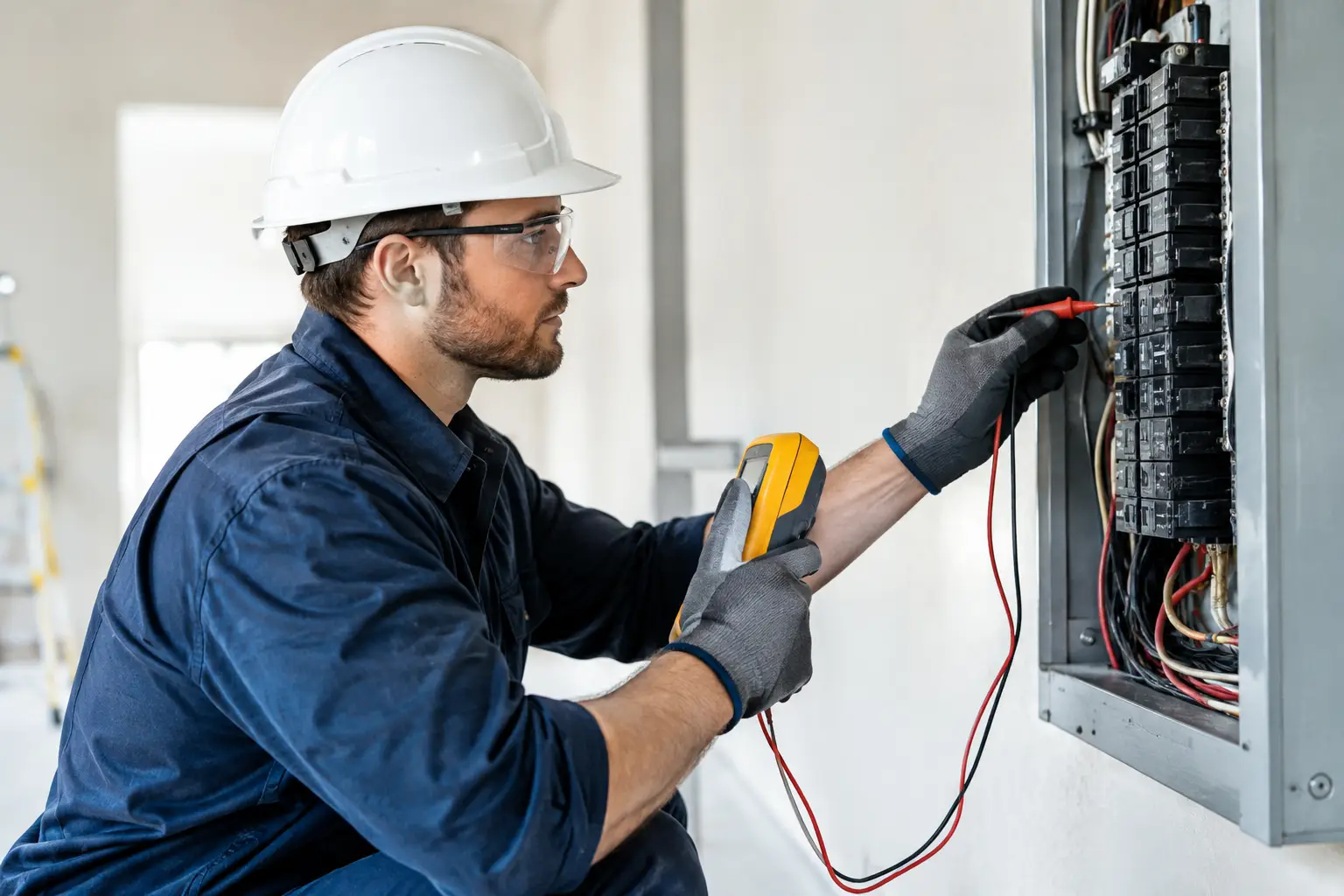
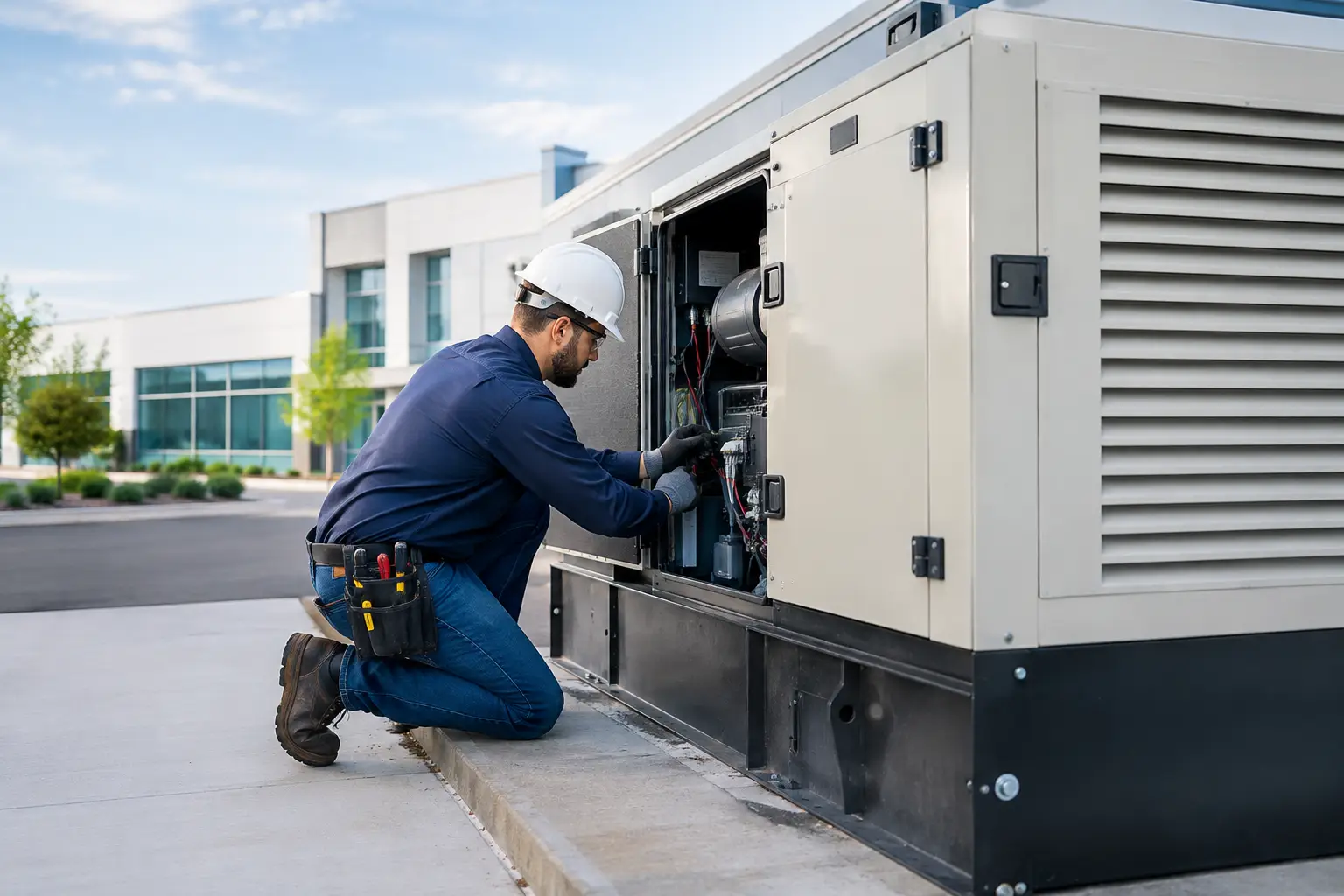
A proper service visit begins with understanding what the electrical system is supposed to do. That includes the equipment load, the circuit path, protective devices, existing wiring condition, and recent changes at the property. An electrician may inspect panels, disconnects, transformers, conductors, grounding and bonding components, and equipment terminations before recommending a repair.
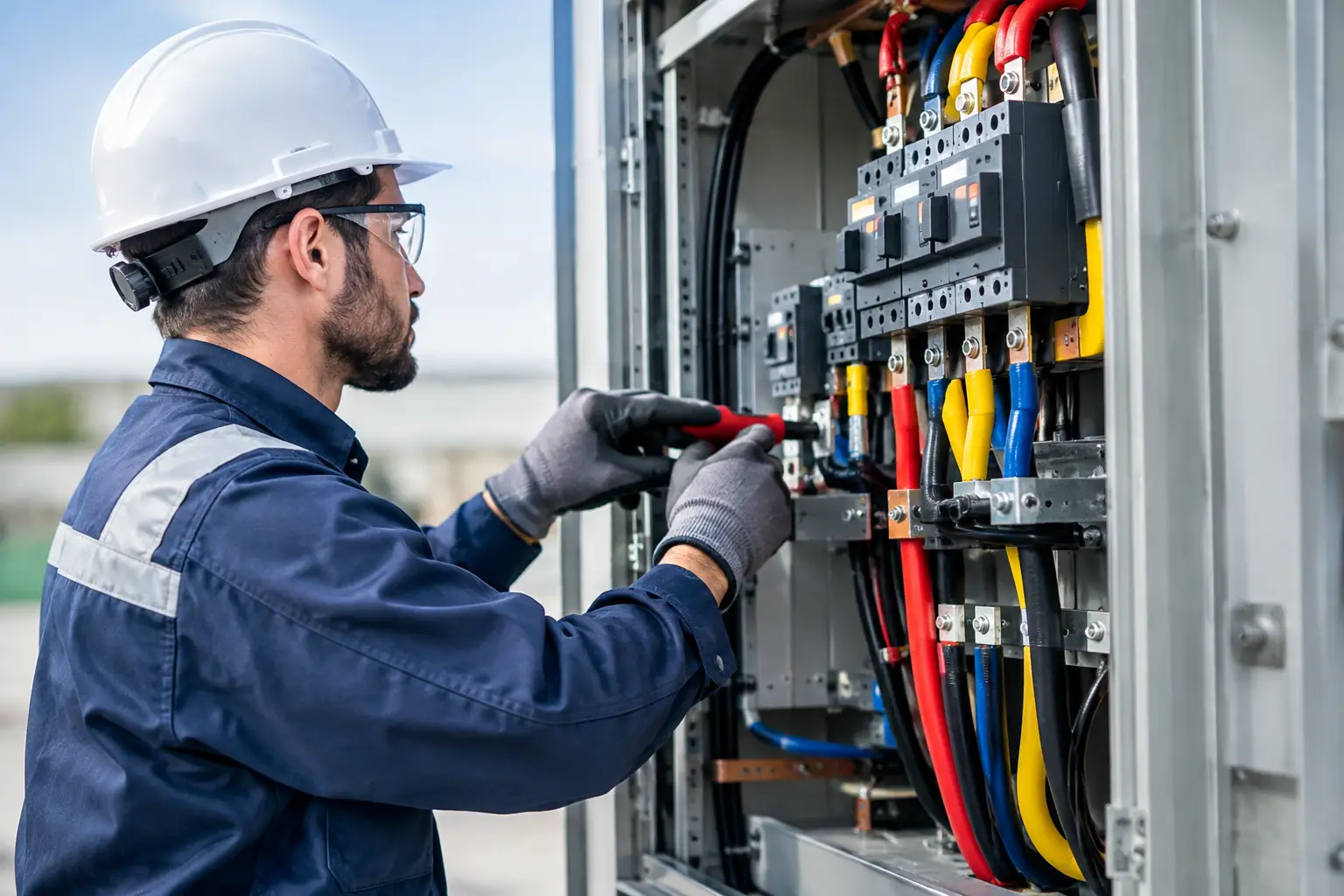
The scope can range from replacing deteriorated wiring and damaged components to installing new feeders, disconnects, conduit, protective devices, or dedicated circuits for equipment. In some cases, the correct answer is an equipment upgrade rather than another repair. If a property has added load over time – new machinery, expanded cooling capacity, tenant improvements, or EV charging – the existing electrical infrastructure may no longer be sized for the demand.
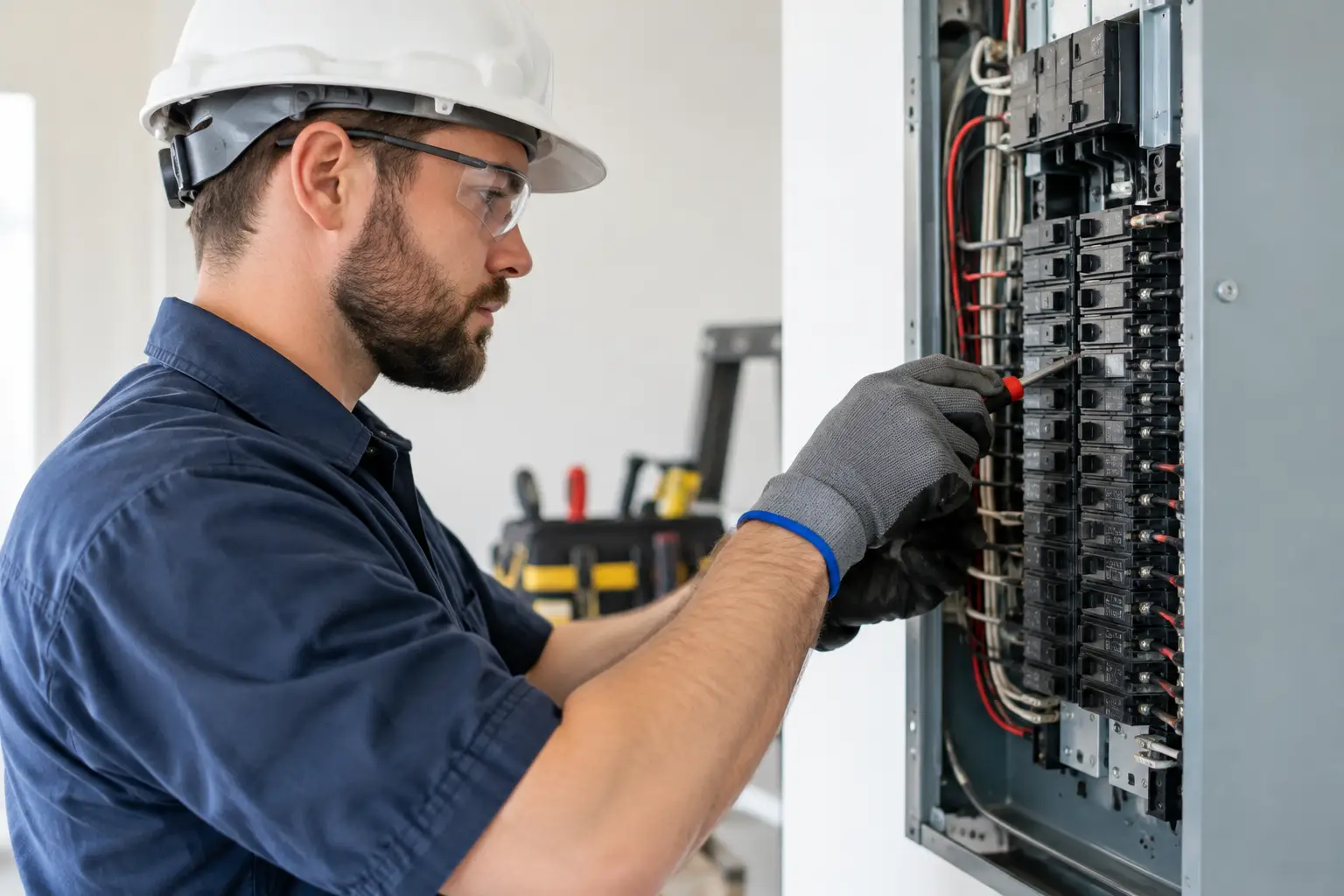
Testing and verification matter as much as installation. Connections must be secure, conductors properly protected, equipment grounded, and overcurrent protection selected for the application. Work should also account for future serviceability. A clean, organized installation makes later inspections, maintenance, and troubleshooting safer and faster.
Planning Work Around Your Property’s Operations
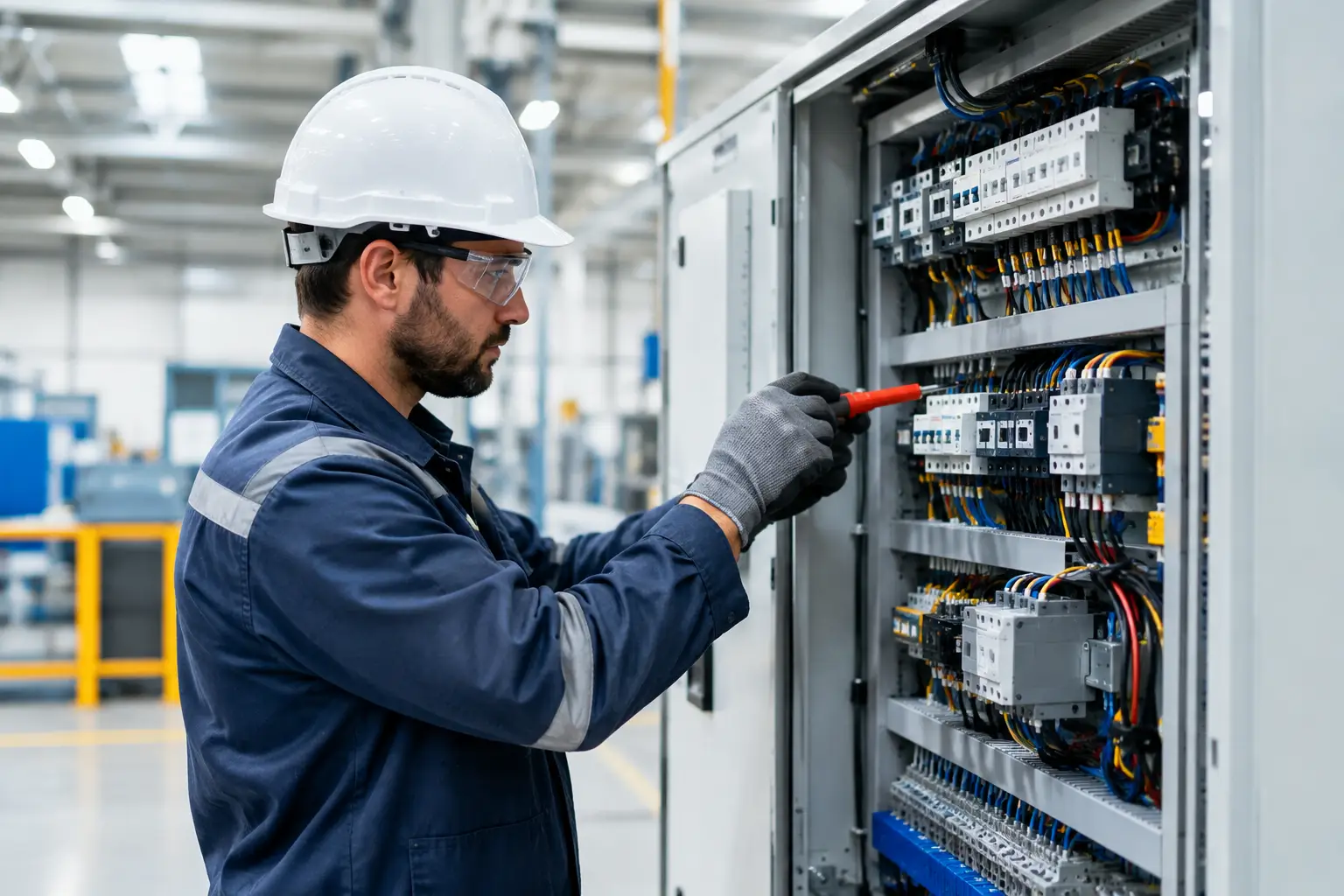
Every property has different operational limits. A retail business may need work completed before opening hours. An apartment building may require tenant communication and carefully managed access to common electrical rooms. An industrial site may need a planned shutdown so machinery can be isolated safely without affecting a production schedule.
This is where experience makes a measurable difference. The best approach balances urgency with preparation. Some faults require immediate shutdown and repair because continuing to operate the equipment is unsafe. Other projects can be scheduled in phases, allowing critical systems to remain available while upgrades are completed.
Before work begins, a reliable electrical contractor should explain the expected scope, access needs, potential shutdown requirements, and any conditions that could change the repair plan once equipment is opened or tested. Clear communication helps property owners make informed decisions instead of being surprised after work is underway.
Choosing a Contractor for High Voltage Wiring Services
Higher-risk electrical work is not the place to choose based on the lowest estimate alone. Price matters, but the quality of the diagnosis, the contractor’s credentials, safety practices, and ability to stand behind the work matter more. An incomplete repair can lead to repeat outages and greater expense later.
Look for a contractor that is properly licensed and insured, has experience with commercial or industrial electrical systems when your project requires it, and provides a clear explanation of the work being recommended. Ask whether permits or inspections apply, how the area will be protected during service, and what workmanship coverage is provided after completion.
It is also reasonable to ask about relevant experience without expecting a one-size-fits-all answer. Wiring for a large motor, a transformer-fed system, and a specialized piece of production equipment can require different troubleshooting methods and components. A credible electrician will be direct about the scope they can support and will not guess when specialized engineering or utility coordination is required.
For Los Angeles property owners and businesses, local experience can help with the practical details that affect a project, including older building infrastructure, access constraints, permitting expectations, and the need to keep occupied properties operating safely. Prime Electric brings more than 40 years of electrical experience, a strong local service record, and workmanship warranty coverage to projects that require careful, professional attention.
Protecting Your Investment After the Repair
Electrical reliability is not achieved through repairs alone. Facilities with high-demand equipment benefit from routine visual checks, prompt attention to unusual noises or heat, and a clear record of past electrical modifications. If equipment is added or its operating load changes, the electrical system should be reviewed before problems appear.
Surge protection, properly sized dedicated circuits, panel upgrades, and preventive maintenance may also be appropriate depending on the property. These are not automatic add-ons for every job. The right recommendation depends on the age of the system, equipment sensitivity, load calculations, and the consequences of downtime.
If your equipment is showing signs of electrical stress or you are planning an upgrade, arrange a professional evaluation before a small issue affects the rest of the property. A careful inspection now can protect the people, equipment, and operations that depend on your electrical system every day.