How to Choose an Industrial Electrical Contractor

[ez-toc]
A failed disconnect, overheated feeder, or unreliable machine control circuit can stop production long before anyone sees smoke or a tripped breaker. Choosing the right industrial electrical contractor is therefore not simply a matter of finding someone available for a repair. It is a decision that affects employee safety, equipment life, operational uptime, code compliance, and the cost of future maintenance.
For Los Angeles facilities, warehouses, manufacturing operations, commercial properties with industrial equipment, and property managers, the best contractor is one that can diagnose the immediate problem while seeing the larger electrical system behind it. That requires proven field experience, clear communication, proper credentials, and a practical approach to keeping your operation moving.
What an Industrial Electrical Contractor Should Handle
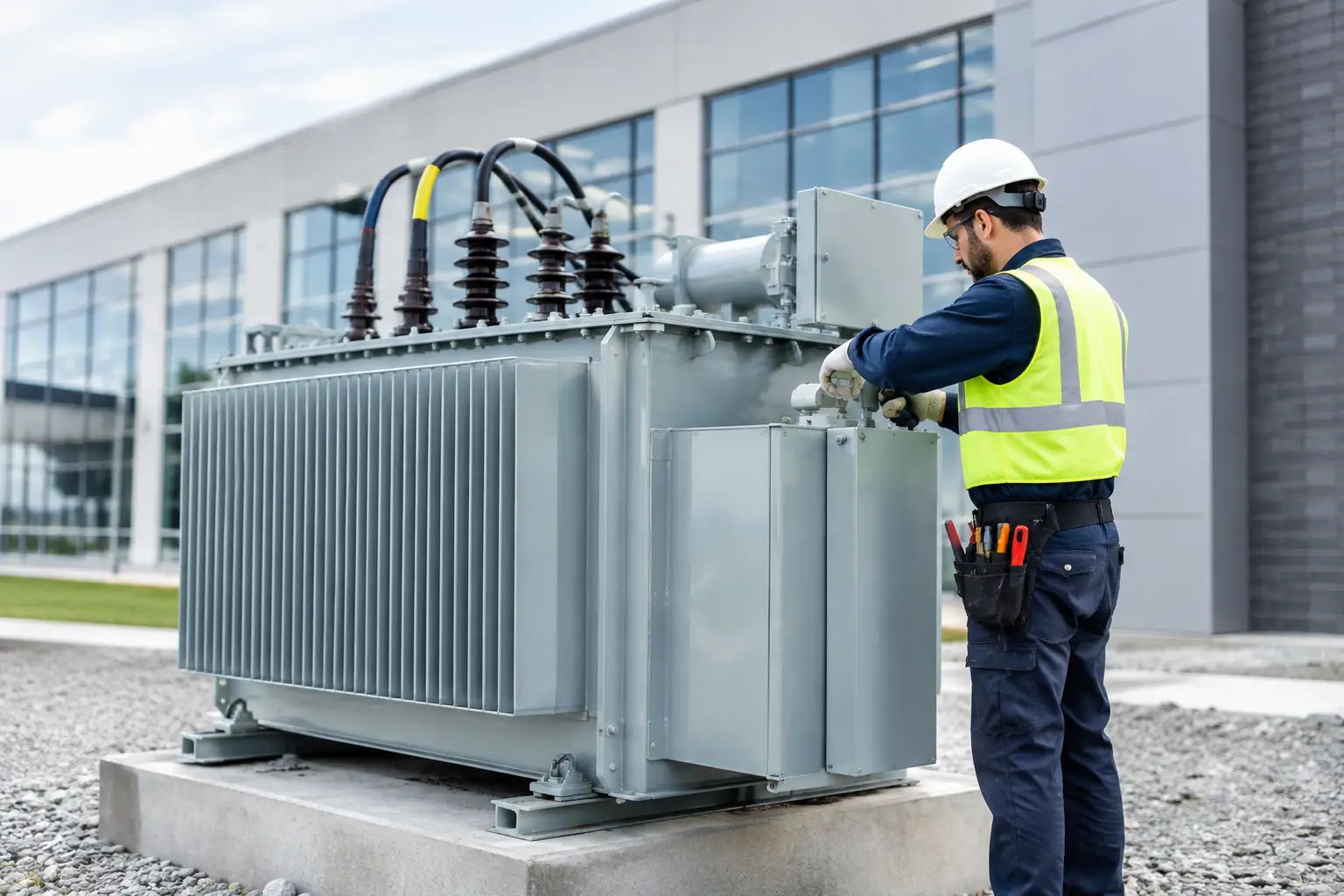
Industrial electrical work involves systems that are typically more demanding than standard residential or light commercial wiring. The load profiles are different, equipment is often mission-critical, and small electrical defects can create expensive downtime. A qualified contractor should be prepared to work safely around high-voltage systems, motors, control circuits, transformers, distribution equipment, compressors, and specialized machinery.
The exact scope depends on your facility. A warehouse may need lighting upgrades, panel capacity improvements, equipment circuits, and data cabling. A production environment may require machine control repair, motor circuit troubleshooting, transformer service, emergency repairs, or planned shutdown work. A property with multiple tenants may need coordinated electrical upgrades that protect operations without disrupting every business on site.
The goal is not to hire the largest contractor for every job. It is to hire a company whose skills, crew capacity, and service approach fit the risk and complexity of your facility. A straightforward equipment connection may call for a responsive local electrical team. A major service upgrade or complex high-voltage project may require detailed engineering coordination, scheduled shutdowns, and a larger project plan.
Credentials Are the Starting Point, Not the Finish Line
Licensing and insurance should never be optional for industrial work. Electrical systems can present serious shock, arc-flash, fire, and equipment-damage risks when they are handled incorrectly. A properly licensed contractor has met state requirements for electrical work, while insurance helps protect the customer and the contractor if an unexpected event occurs on site.
Ask whether the company is licensed for the work being performed, carries current insurance, and provides written documentation when requested. You should also ask how permits and inspections will be handled. A contractor who is vague about permits, code requirements, or responsibility for corrections can create delays that become your problem later.
Credentials alone do not prove that a contractor is the right fit for a facility. Industrial decision-makers should also look for a documented history of work involving electrical distribution, machinery, controls, high-voltage wiring, equipment upgrades, or maintenance troubleshooting. Experience matters because industrial issues are not always obvious. A breaker that trips repeatedly may be responding to a damaged conductor, improper load sizing, motor starting conditions, a failing component, or a problem within the connected equipment.
Ask About Experience With Your Equipment and Operating Conditions
Before approving a contractor, explain what is connected to the system, when the issue occurs, and how much downtime the facility can tolerate. This information helps a qualified electrician plan the work safely and efficiently.
A good contractor will ask practical questions in return. What voltage serves the equipment? Is there a single-line diagram or panel schedule? Does the equipment shut down at a certain time? Has the load recently changed? Are there signs of heat, vibration, nuisance tripping, flickering, damaged insulation, or inconsistent machine operation? Does the repair need to happen while the site remains occupied?
These questions are not delays or sales tactics. They show that the contractor is trying to identify the cause instead of treating the visible symptom. Replacing a breaker may be appropriate, but it is not a complete repair if the underlying circuit condition remains unresolved.
For facilities with older infrastructure, the assessment may also reveal whether an upgrade is the safer long-term choice. Aging panels, obsolete breakers, deteriorated wiring, undersized feeders, and poorly documented modifications can all make future service more difficult. In some cases, repairing the immediate issue is sensible. In others, planned replacement reduces the chance of repeated service calls and unplanned downtime.
A Reliable Industrial Electrical Contractor Plans for Uptime
Emergency response matters, but planned maintenance is often where electrical reliability is won or lost. Waiting until a panel overheats or a machine loses power can turn a manageable issue into a costly interruption. Facilities that depend on compressors, processing equipment, refrigeration, pumps, production machinery, or critical communications systems should treat electrical maintenance as part of operational planning.
Your contractor should be able to help prioritize repairs based on risk. Safety hazards and active equipment failures come first. After that, focus on conditions likely to cause interruption, such as overloaded circuits, damaged disconnects, loose terminations, deteriorated conductors, water intrusion, or equipment that has outgrown its existing electrical supply.
Clear scheduling is equally important. Some work can be completed during normal operating hours. Other tasks require a shutdown window, coordination with equipment vendors, temporary power planning, or notification to tenants and staff. A dependable contractor will explain those trade-offs upfront rather than promising a quick fix that creates avoidable disruption.
Communication and Documentation Protect Your Investment
Industrial electrical projects can involve several stakeholders: facility managers, owners, maintenance teams, equipment vendors, tenants, inspectors, and operations leaders. The contractor should make the process easier by communicating in plain language and documenting what was found, what was repaired, and what may need attention next.
A professional estimate should identify the work to be performed, the major materials involved, and any assumptions that affect pricing. Electrical troubleshooting sometimes reveals hidden issues after work begins, particularly in older buildings or modified systems. That does not automatically mean the estimate was inaccurate. What matters is whether the contractor communicates the new finding promptly, explains the options, and receives approval before moving forward with additional work.
Documentation also supports future maintenance. Updated panel schedules, labeled circuits, records of repairs, and notes about equipment connections can save time during the next service call. This is especially valuable when a facility changes hands, expands, adds machinery, or brings in a new maintenance manager.
Compare Value, Not Just the Lowest Estimate
The lowest bid can be attractive, especially when a repair appears simple. But industrial electrical work should be evaluated on more than the initial number. A lower quote may exclude permit handling, proper materials, cleanup, testing, warranty support, or the time needed to diagnose the actual source of the problem.
When comparing estimates, consider the contractor’s experience with similar work, reputation for showing up as promised, licensing and insurance, warranty coverage, communication quality, and ability to support the facility after installation. Ask whether the proposal includes testing and verification before the job is closed out. For critical equipment, the cost of a poor repair can quickly exceed the difference between two estimates.
There is also a difference between an electrician who can complete an installation and one who can become a trusted service partner. If your site has recurring needs, a contractor familiar with your panels, equipment, operating schedule, and priorities can respond faster and make better recommendations over time.
Questions Worth Asking Before You Hire
Before choosing a contractor, confirm a few essentials: Are you licensed and insured for this work? Have you worked with equipment or systems like ours? Will permits and inspections be included if needed? What shutdown time should we expect? How will you communicate if the scope changes? What workmanship warranty do you provide?
You should also ask who will be on site and how the work area will be managed. Professional crews respect active facilities. They arrive prepared, maintain a clean work area, follow site safety requirements, and avoid leaving employees or tenants with preventable hazards after the work is complete.
Choose a Contractor Built for the Long Term
Electrical work at an industrial facility is rarely just about restoring power. It is about protecting people, preserving equipment, and making sound decisions before a small problem becomes a production issue. The right contractor combines technical capability with honest recommendations, organized service, and respect for your operation.
Prime Electric brings more than 40 years of electrical experience to Los Angeles-area customers, with licensed and insured service, a workmanship warranty, and the ability to support industrial maintenance, machine wiring, equipment upgrades, controls, and electrical distribution needs. When your facility needs dependable electrical work, choose a team that treats your uptime and safety as seriously as you do.