When Is It Time for a Manufacturing Control Upgrade?
[ez-toc]
A machine can still run while its control system is becoming a liability. Obsolete components, unreliable relays, hard-to-find drives, and undocumented wiring may keep production moving for now, but they also raise the odds of an expensive shutdown. A manufacturing control upgrade replaces that uncertainty with a safer, more supportable system built around the way your facility operates today.
For plant managers, property owners, and operations teams, the goal is not simply to install newer equipment. It is to improve uptime, make troubleshooting faster, protect employees, and give the business a practical path for future changes. The right scope depends on the age of the equipment, the production schedule, available documentation, and the condition of the electrical infrastructure feeding the machinery.
Signs Your Manufacturing Controls Need Attention
Control systems often decline gradually. A machine may require more frequent resets, a technician may rely on temporary workarounds, or a failed component may take days to replace because it is no longer readily available. These are operational warnings, not minor inconveniences.
A control upgrade deserves serious consideration when your team is dealing with recurring nuisance trips, inconsistent machine behavior, overheating enclosures, damaged conductors, unreliable push buttons, or control panels that no longer meet the needs of the process. Older relay logic can be dependable in the right application, but it becomes difficult to maintain when drawings are missing, parts are discontinued, and only one employee knows how the system works.
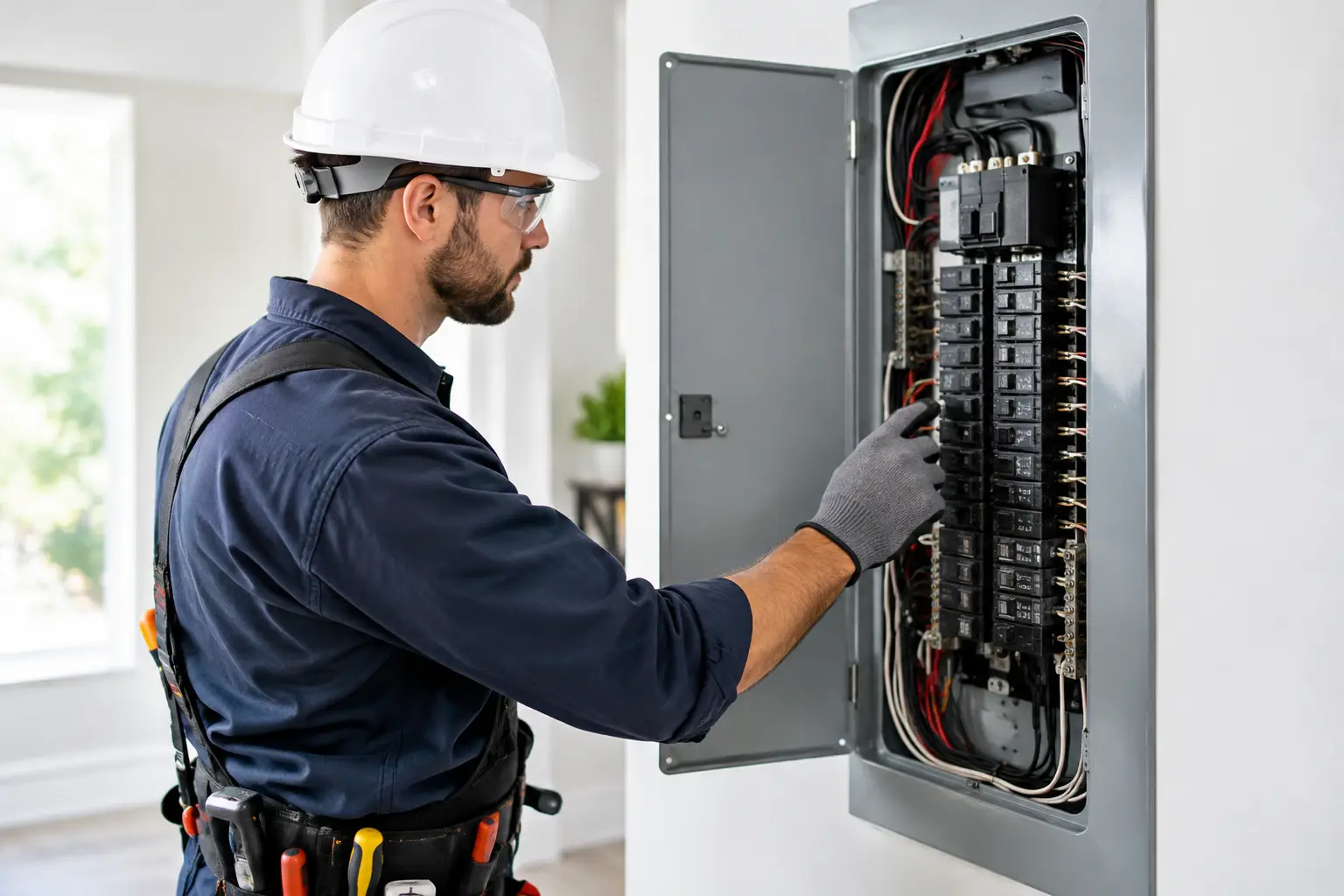
Safety is another reason to act. Emergency stops, interlocks, overload protection, disconnects, grounding, and control power must work as intended when people are working around machinery. A review by a qualified electrical contractor can identify whether a system needs targeted repairs, a phased modernization, or a complete panel replacement.
What a Manufacturing Control Upgrade Can Include
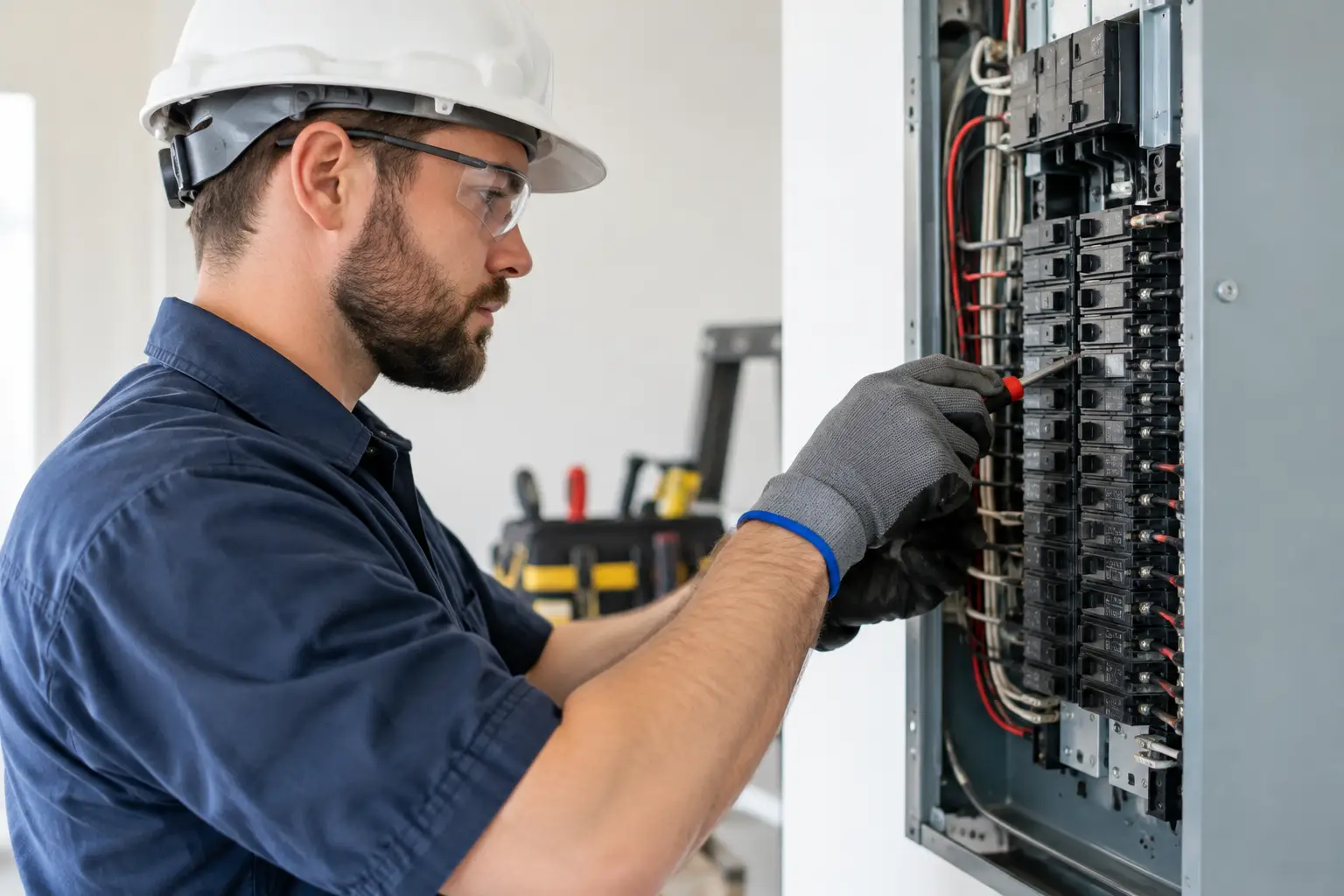
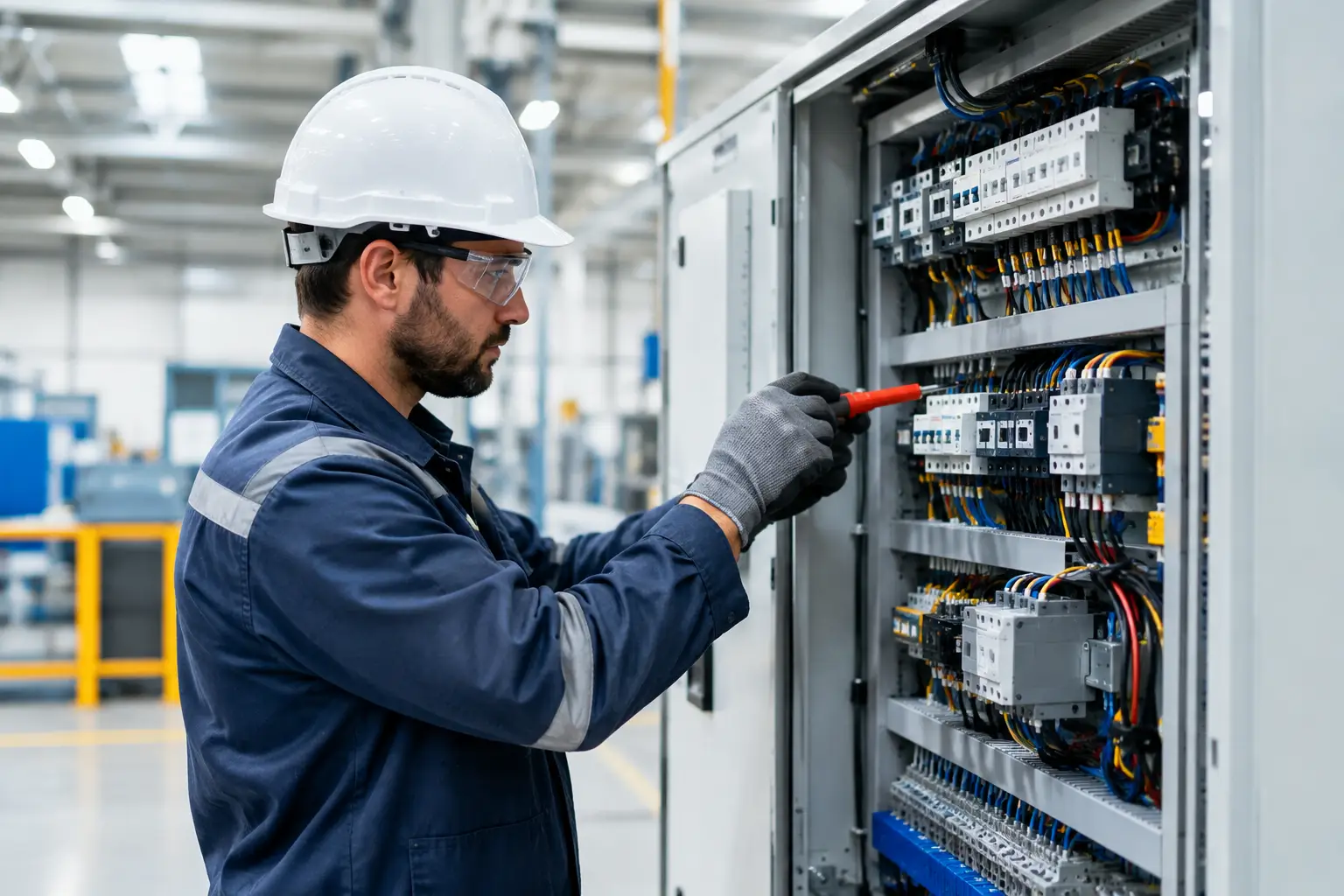
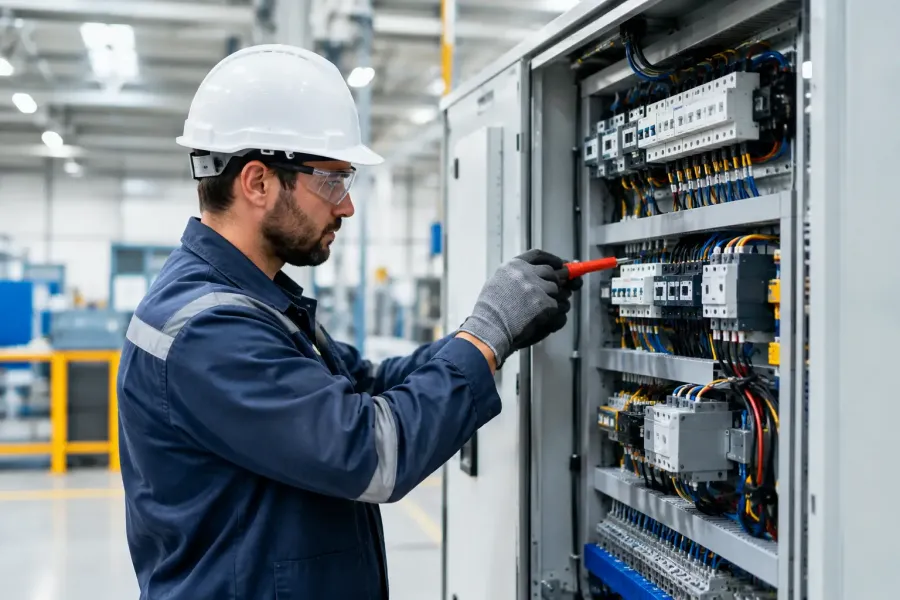
There is no single definition of a manufacturing control upgrade. Some projects are limited to replacing worn contactors, relays, transformers, terminal blocks, or motor starters inside an existing enclosure. Others involve rebuilding a control panel around a programmable logic controller, new motor controls, operator interface equipment, and updated safety devices.
A well-planned project may include new machine wiring, control transformers, variable frequency drives, overload protection, disconnects, pilot devices, sensors, and clearly labeled terminals. It can also involve improving the electrical supply to the equipment, such as adding dedicated circuits, correcting voltage issues, replacing damaged conduit, or upgrading a service panel that cannot reliably support the load.
For facilities with production data, networked equipment, or computerized machinery, the upgrade may also include industrial communications cabling and isolated circuits that help protect sensitive controls from electrical noise. These improvements are not always necessary. A basic machine with a stable process may benefit more from straightforward, serviceable components than from a complex system that requires specialized programming.
The Business Case Is Usually Downtime, Not Appearance
Control panels do not need to look new to perform well. The stronger reason to upgrade is the cost of unexpected failure. When a critical line stops, the expense may include lost production, missed shipping dates, overtime, spoiled material, emergency parts, and safety exposure. An older control system can also lengthen every repair because technicians must trace unlabeled conductors or search for discontinued components.
Modernized controls can make fault conditions easier to identify. Clear labeling, organized wire management, current drawings, properly sized protection, and accessible components reduce diagnostic time. That does not mean every upgrade eliminates downtime. Mechanical failures, process issues, utility interruptions, and operator errors can still stop a line. It does mean the electrical control system is less likely to be the weak point that turns a manageable issue into a prolonged outage.
A planned project also gives decision-makers more control over scheduling. Work can often be coordinated around a shutdown window, a slower production period, or a staged installation plan. Emergency replacement rarely offers those options.
Start With an Electrical and Control System Assessment
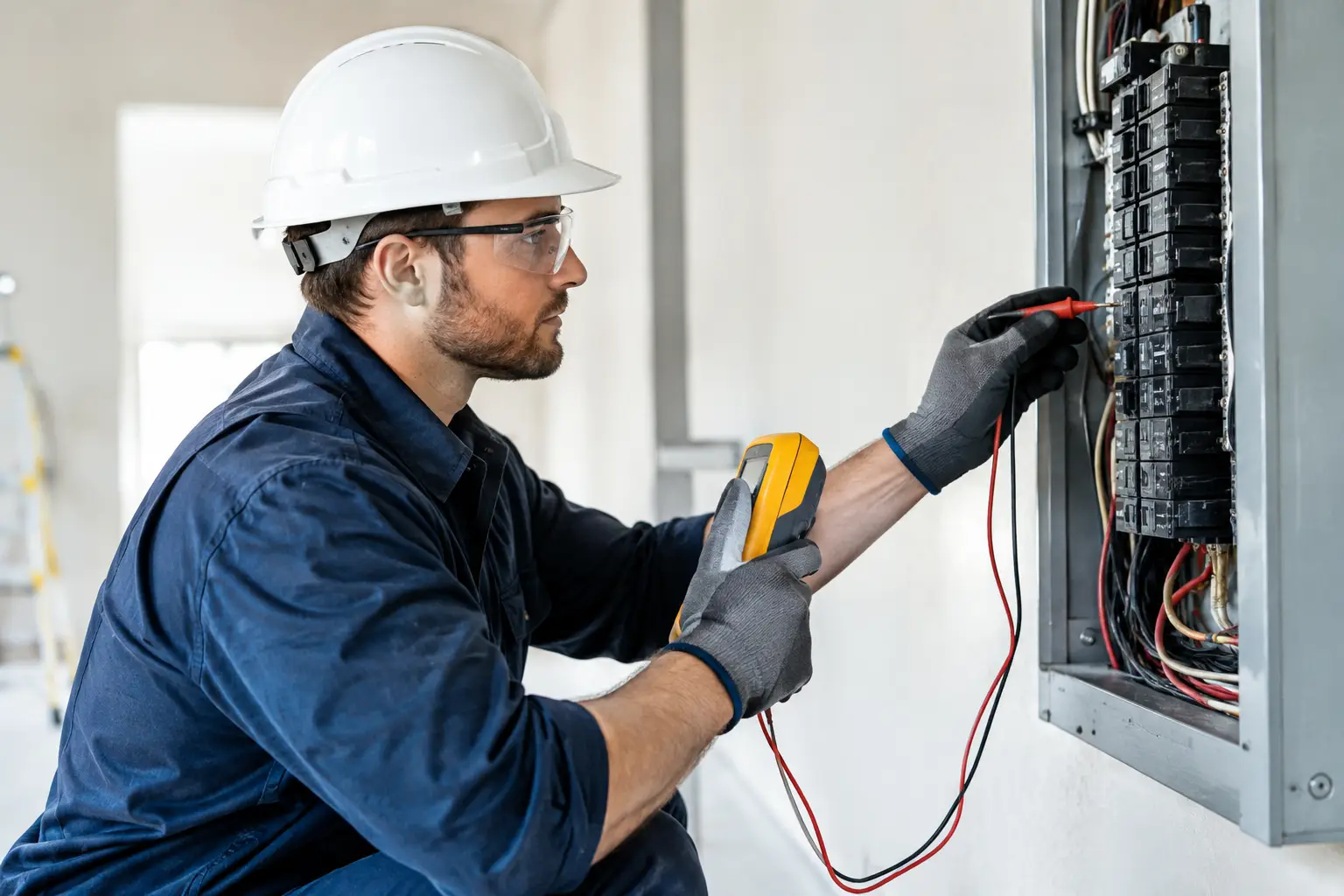
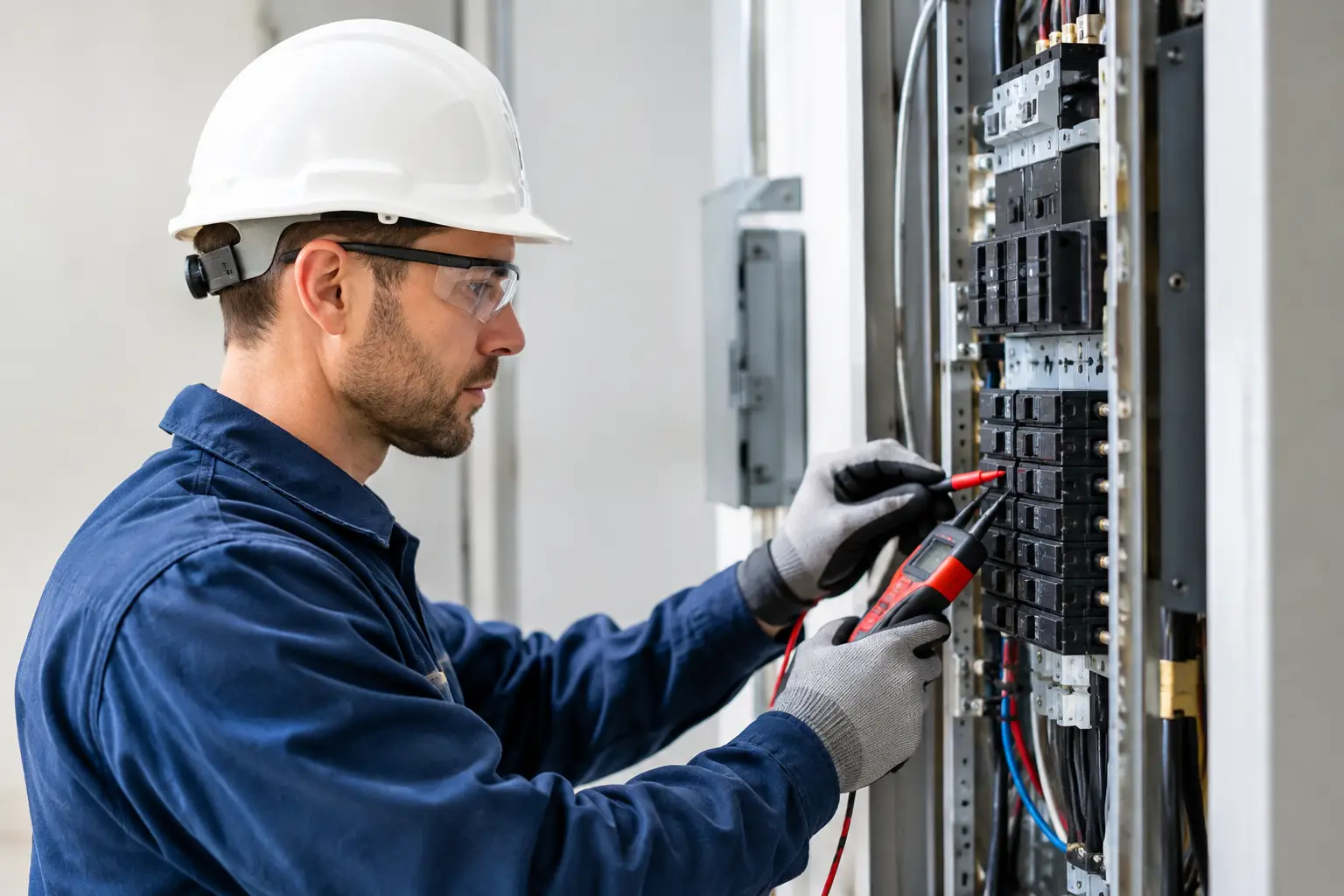
The first step should be an on-site assessment, not an assumption that every old panel needs to be replaced. A qualified electrician should review the machine’s incoming power, disconnecting means, control enclosure condition, grounding and bonding, conductor sizing, visible heat damage, load requirements, and available documentation.
The assessment should also address the process itself. What happens if the machine loses power? Which motors must start in sequence? Are there safety devices or interlocks that need to be maintained or updated? Does the equipment need to communicate with another system? These answers affect the design, material selection, and installation schedule.
Accurate drawings are especially valuable. If existing diagrams are incomplete or incorrect, documenting the current system before changes begin can prevent confusion later. For property managers and facility owners, good documentation also makes the equipment easier to service when a key maintenance employee is unavailable.
Plan the Work Around Production Reality
The best technical plan can still create problems if it ignores operations. Before installation, establish what equipment can be shut down, how long the outage can last, what inventory or production should be completed first, and who will be available for testing and startup.
For larger projects, phased work is often the practical choice. An electrician may prepare a new control panel, complete portions of conduit and wiring work in advance, and reserve final cutover for a scheduled outage. This approach can limit disruption, although it may cost more than a single extended shutdown because it requires additional coordination and labor.
Testing matters as much as installation. Once work is complete, circuits, controls, motors, safety functions, and equipment operation should be verified before the machinery returns to regular service. The final handoff should include clear labeling and updated information for future maintenance whenever the project scope allows.
Avoid the Lowest-Bid Scope Trap
Manufacturing controls are not the place to compare bids by price alone. A low proposal may exclude engineering coordination, proper enclosure ratings, documentation, startup testing, code corrections, or replacement of compromised wiring outside the panel. Those omissions can create change orders or leave the facility with a new panel connected to old problems.
Ask what the proposal includes, which components will be used, how shutdown time will be handled, and whether the contractor is licensed and insured for the work. It is also reasonable to ask how the contractor will address unexpected conditions discovered once a panel is opened or machinery is de-energized.
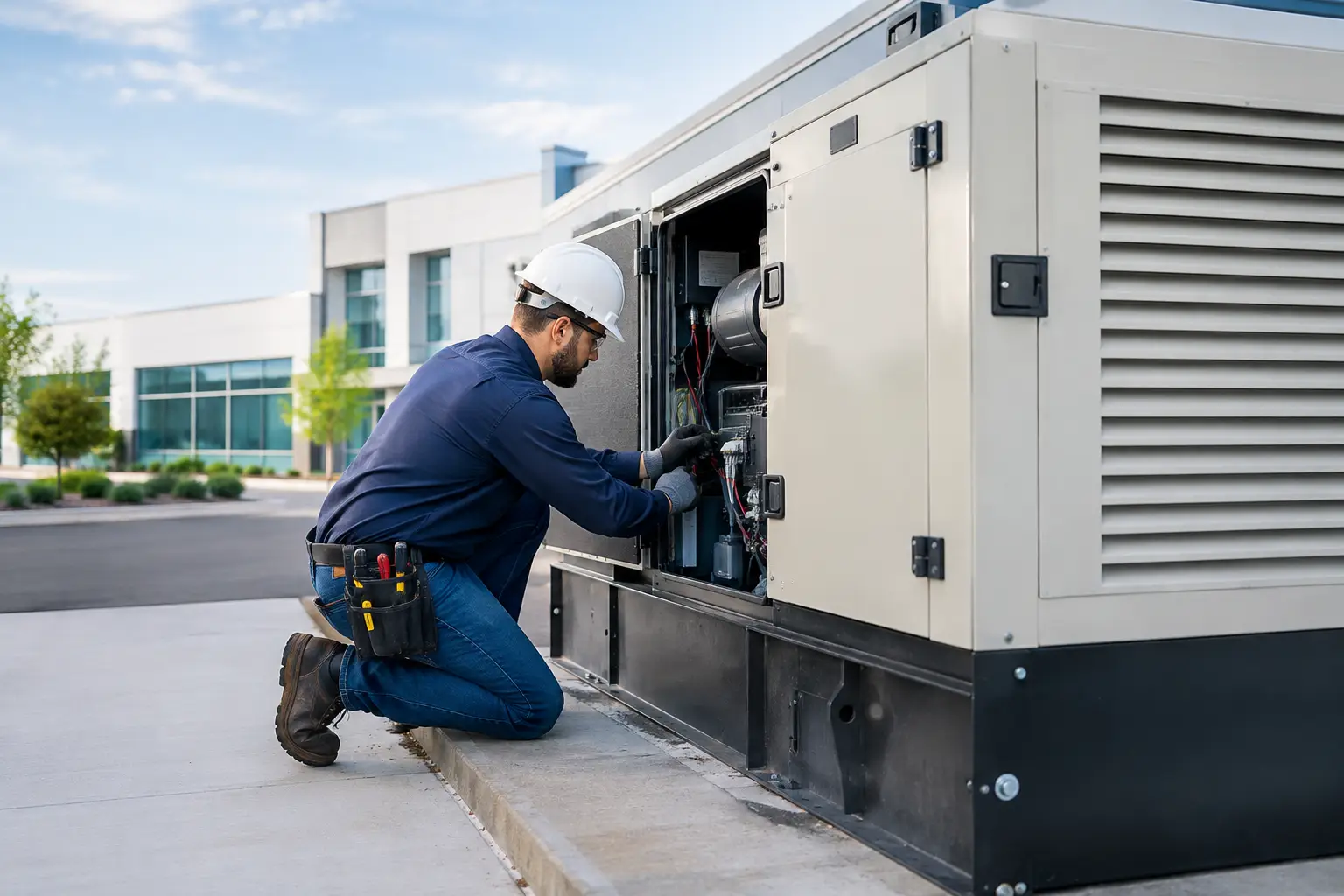
For industrial electrical work, proven field experience matters. Prime Electric brings more than 40 years of electrical service experience to projects involving machinery controls, equipment upgrades, high-voltage wiring, and commercial electrical systems. A professional installation protects more than the equipment. It protects the people who operate it and the business that depends on it.
Frequently Asked Questions About Control Upgrades
Can an old control panel be repaired instead of replaced?
Often, yes. If the enclosure, wiring, safety features, and major components are in good condition, a targeted repair may be the responsible choice. Replacement becomes more compelling when failures are recurring, parts are obsolete, wiring is deteriorated, or the system no longer supports the production process safely.
How long will a manufacturing control upgrade take?
The timeline depends on the equipment, scope, material availability, documentation, and required downtime. A small control repair may be completed quickly, while a panel rebuild or multi-machine upgrade may require planning, fabrication, installation, and a scheduled cutover. A site assessment provides the clearest timeline.
Does an upgrade require shutting down the whole facility?
Not necessarily. Some work can be completed while other operations remain active, particularly when circuits and equipment are isolated. Final connections and testing usually require a controlled outage for the affected machinery. The right plan balances production needs with safe working conditions.
Is a control upgrade useful if the machinery is still operating?
Yes. The best time to address aging controls is often before a failure forces the decision. Planned upgrades give your team time to select appropriate equipment, coordinate downtime, and avoid rushed repairs during a production emergency.
A control system should help your operation run predictably, not leave your team hoping that one more reset will get through the shift. A professional assessment can turn recurring electrical uncertainty into a clear, workable plan for safer equipment and more dependable production.