Circuit Breaker vs Fuse Box: Key Differences

If your lights flicker when the AC starts, or a breaker trips every time the microwave and toaster run together, you may be asking a very practical question: circuit breaker vs fuse box – what is the real difference, and does your property need an upgrade? For homeowners, landlords, and business owners in Los Angeles, that question is not just about convenience. It affects safety, insurance concerns, capacity for modern equipment, and whether your electrical system is ready for daily use.
A lot of older properties still have fuse-based systems, especially in neighborhoods with aging housing stock. That does not automatically mean the system is unsafe. But it does mean the electrical setup should be evaluated in the context of current power demands, code expectations, and the condition of the equipment itself. A fuse box that was acceptable decades ago may not be the best fit for central air, EV charging, modern kitchen loads, office equipment, or industrial machinery.
Circuit breaker vs fuse box: the basic difference
Both systems do the same essential job. They protect electrical circuits from overloads and short circuits by interrupting the flow of electricity when something goes wrong.
The difference is in how they do it. A fuse contains a metal element that melts when too much current passes through it. Once it blows, it has to be replaced. A circuit breaker trips a switch mechanism instead. In many cases, it can simply be reset after the cause of the overload is addressed.
That sounds like a small distinction, but in real-world service calls it matters a lot. A breaker panel is generally easier for the average property owner to manage, faster to restore after a trip, and more practical for modern electrical distribution. A fuse box can still provide overcurrent protection, but it is older technology and often comes with other limitations that make it less suitable for today’s buildings.
Why fuse boxes create problems in older properties
The issue is usually not the idea of a fuse itself. Properly sized fuses can protect a circuit effectively. The problem is what tends to happen over time in older systems.
In many properties, fuse boxes were installed when electrical demand was much lower. A home may have been built before large HVAC systems, multiple televisions, dedicated appliance circuits, home offices, and EV chargers were part of everyday life. Commercial spaces may have added equipment far beyond what the original electrical service was designed to support.
Older fuse boxes can also be paired with aging wiring, limited circuit capacity, and outdated service sizes. It is common to find systems that were modified over the years without a full panel upgrade. In some cases, people install the wrong size fuse to stop repeated blowouts. That creates a serious hazard because the fuse may no longer protect the wire the way it should.
This is one of the biggest reasons electricians take fuse boxes seriously. The risk is often not just the box itself. It is the condition of the entire system around it.
When a circuit breaker panel makes more sense
For most modern properties, a circuit breaker panel is the better long-term solution. It is designed for convenience, but more importantly, it supports safer and more organized electrical distribution when installed correctly.
Breaker panels make troubleshooting easier. If a circuit trips, you can identify it quickly and restore power once the problem is corrected. That is much more practical than tracking down replacement fuses, especially for rental properties, commercial spaces, or facilities where downtime matters.
Breaker panels also make it easier to add dedicated circuits for high-demand loads. That matters if you are remodeling a kitchen, installing a pool or spa circuit, adding office equipment, upgrading machinery, or preparing for an EV charger. In many cases, the question is not just circuit breaker vs fuse box. It is whether the electrical system can support what the property actually needs today.
Safety and code considerations
A breaker panel is not automatically safer just because it is newer, and a fuse box is not automatically dangerous just because it is older. Condition, installation quality, service size, grounding, and code compliance all matter.
That said, older fuse-based systems often fall behind current expectations. They may lack enough circuits, proper grounding updates, or the capacity needed for modern appliances and electronics. Some insurance carriers also view outdated electrical systems less favorably, especially if there are known issues, deferred maintenance, or signs of overheating.
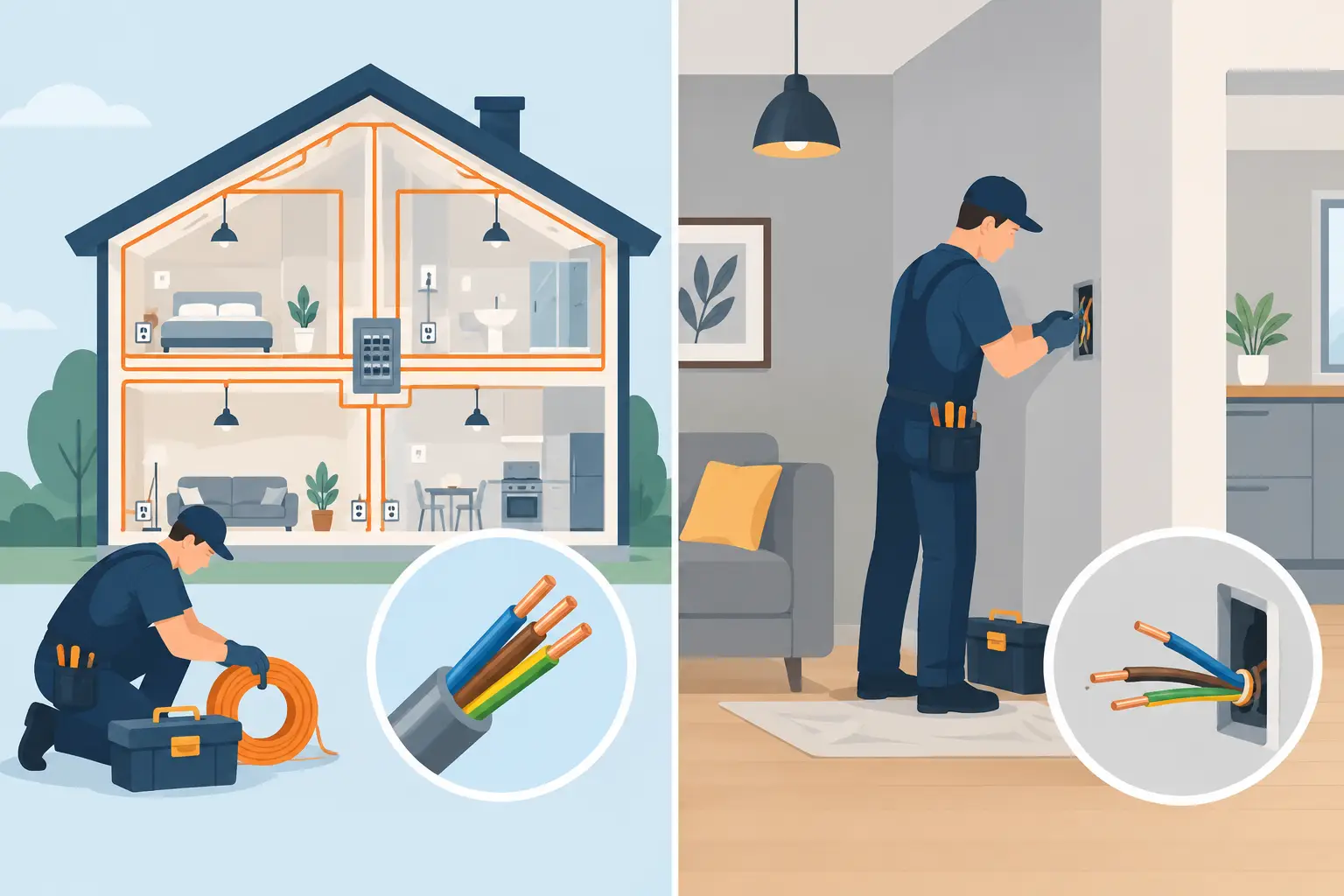
A professional inspection can identify whether the concern is the panel itself, the service entrance equipment, the branch wiring, or a combination of factors. That distinction matters because not every property needs the exact same fix.
Convenience is not a minor issue
For homeowners, resetting a tripped breaker is simpler than replacing a blown fuse. For property managers, it reduces service interruptions and tenant frustration. For businesses, it can mean less downtime and faster response when a circuit problem occurs.
Convenience also affects behavior. When a system is frustrating, people are more likely to make unsafe choices. With fuse boxes, that can include using the wrong replacement fuse or trying improvised fixes. Those situations are exactly where avoidable hazards start.
Cost: repair, maintain, or upgrade?
Cost is usually where the conversation gets more nuanced. Replacing a single blown fuse is cheaper in the short term than a full panel upgrade. If the system is in good condition and properly sized for the property, some owners prefer to keep it in place for a while.
But short-term cost is not the whole story. If the fuse box is old, undersized, difficult to source parts for, or paired with outdated wiring, repeated repairs may stop making financial sense. The same goes for properties planning renovations, service expansions, or equipment upgrades. Paying to maintain an outdated setup can become more expensive than investing in a safer, more functional panel.
For commercial and industrial spaces, the cost of downtime also has to be part of the equation. If an outdated system causes recurring interruptions, troubleshooting delays, or limits your ability to run equipment reliably, the panel is no longer just an electrical component. It is a business liability.
Circuit breaker vs fuse box for modern power demands
Los Angeles properties use more electricity now than they did when many fuse boxes were installed. Even a modest home may have central air, multiple refrigerators, entertainment systems, computer equipment, and charging devices running every day. Add a tankless water heater, electric dryer, or EV charger, and the load increases fast.
Commercial properties face the same issue on a larger scale. Office build-outs, telecom equipment, lighting upgrades, isolated computer circuits, refrigeration, and machinery all require dependable capacity. Industrial facilities often need electrical systems that can handle sustained loads and specialized equipment without constant interruption.
That is where breaker-based systems usually have the advantage. They are simply better aligned with how modern buildings operate.
Signs your fuse box may need professional attention
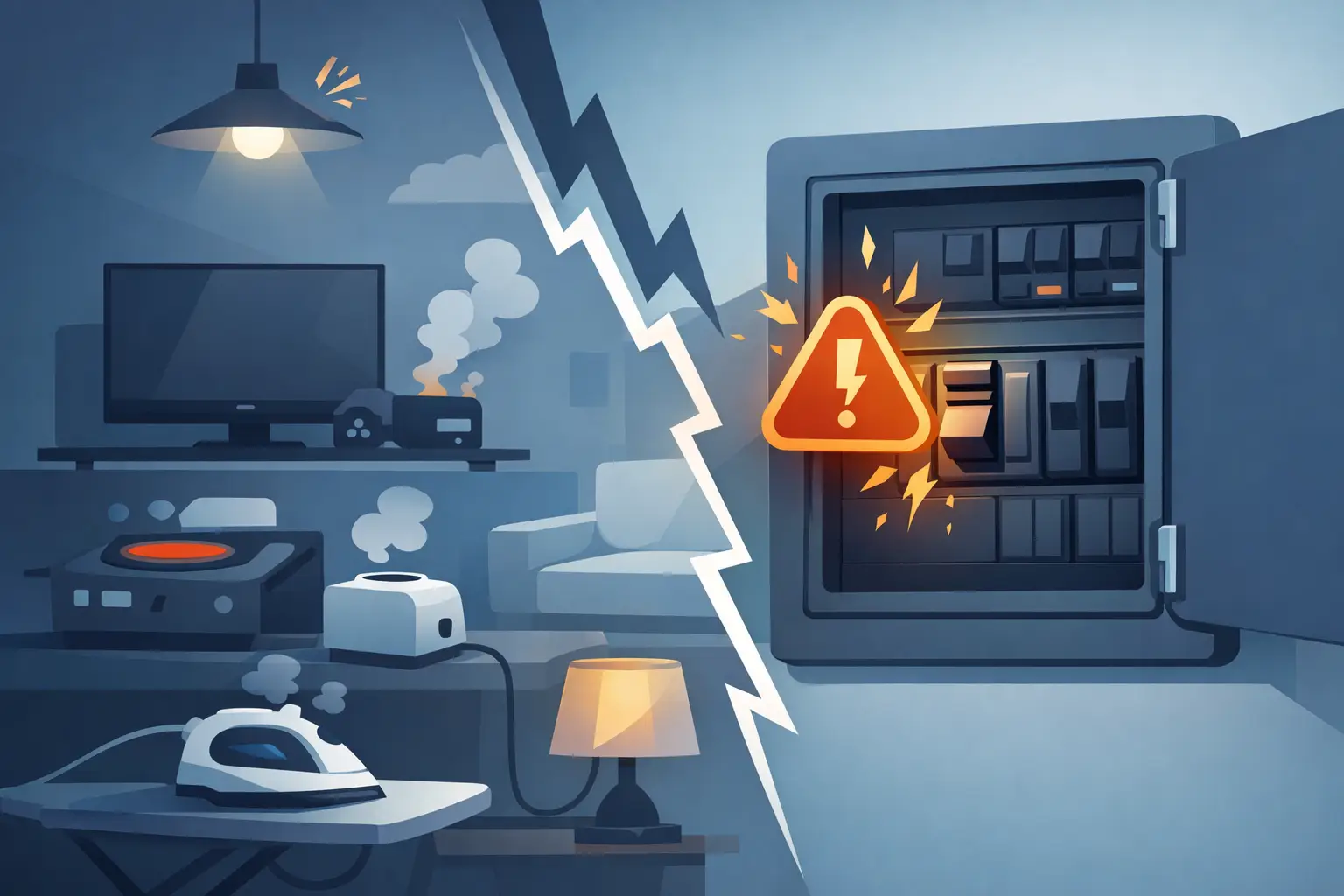
You do not need to wait for a complete failure before calling an electrician. If fuses blow regularly, lights dim under load, circuits feel warm, outlets stop working intermittently, or the panel shows signs of age or wear, it is time for an inspection.
Other warning signs include burned smells, discoloration near the panel, buzzing sounds, or a property history of added appliances without a corresponding electrical upgrade. If you are buying, remodeling, insuring, or leasing a property, a panel evaluation is also a smart step.
For older homes and buildings, this is especially important because what looks functional on the surface may still be inadequate behind the panel cover. Safe electrical work depends on more than whether power turns on.
Should you replace a fuse box right away?
Sometimes yes, sometimes no. It depends on the condition of the equipment, the service size, the demands on the system, and whether other electrical components are outdated too.
If the fuse box is well-maintained, correctly fused, and serving a low-demand property without issues, immediate replacement may not be necessary. But if the system is overloaded, modified improperly, lacking capacity, or creating insurance and safety concerns, upgrading to a circuit breaker panel is often the right move.
This is where experienced electricians matter. A credible assessment should not be based on pressure. It should be based on what the system can safely handle, what the property needs now, and what will prevent repeat problems later.
For property owners who want clear answers, Prime Electric approaches panel and circuit protection work the same way it handles every service call – with licensed, insured professionalism, straightforward recommendations, and work built for long-term reliability.
If you are weighing circuit breaker vs fuse box for your home, rental, office, or facility, the safest next step is not guessing. It is having the system evaluated by an experienced electrician who can tell you whether repair is reasonable, upgrade is necessary, or future electrical plans will outgrow what you have. A good panel should do more than keep the lights on. It should give you confidence every time you flip a switch.