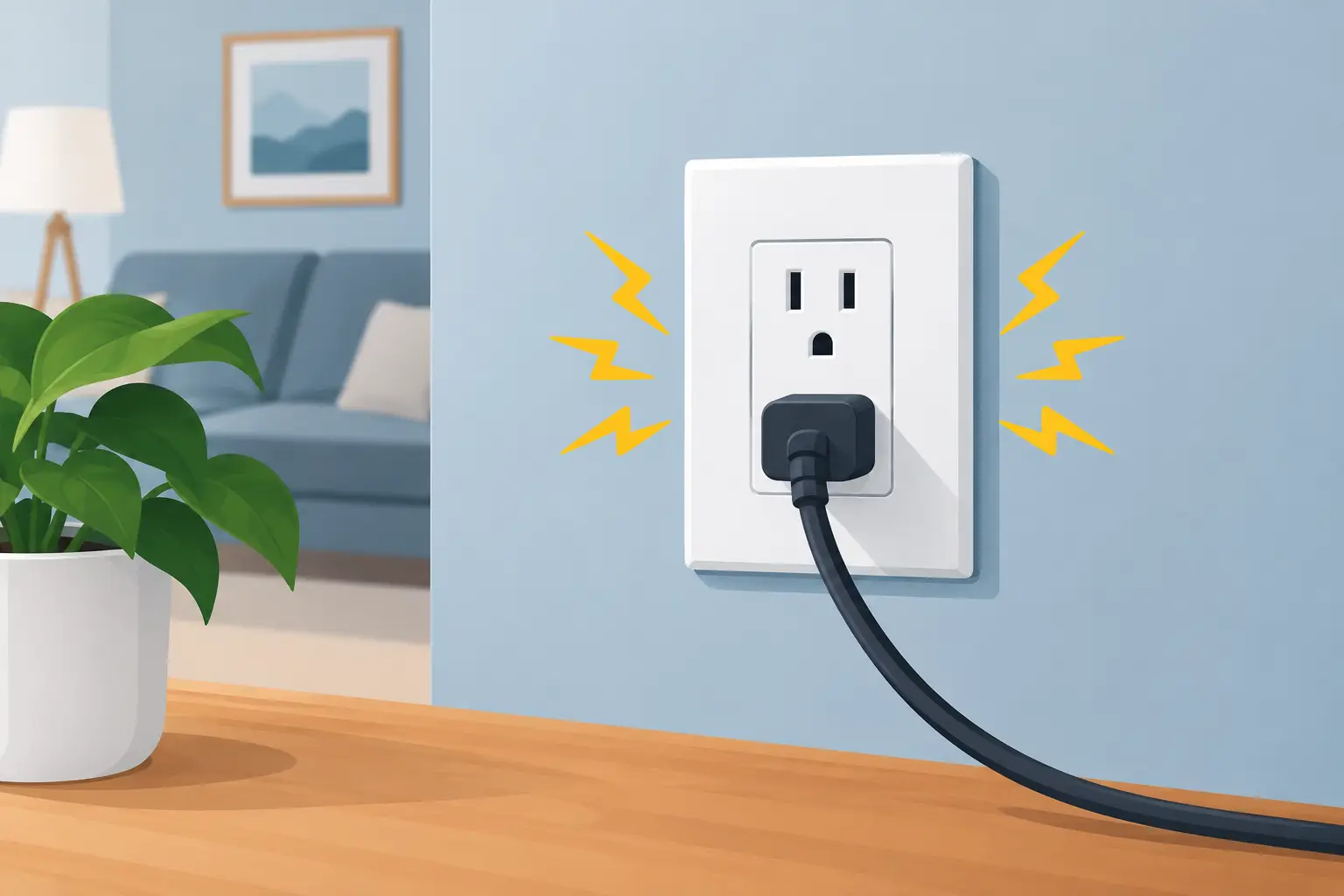
What Causes Buzzing Electrical Outlets at Home?
[ez-toc]
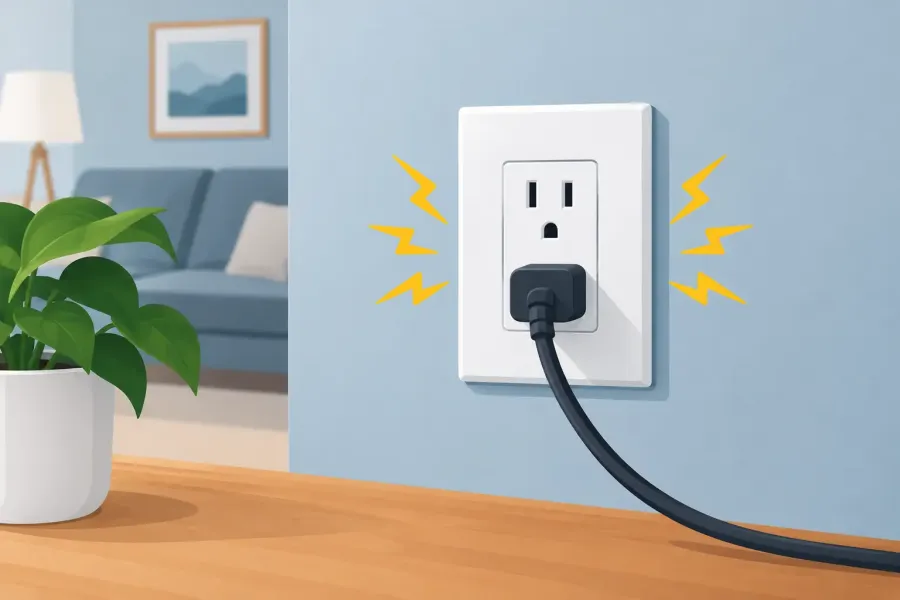
A quiet outlet should stay quiet. If you hear a hum, buzz, crackle, or faint sizzling sound when plugging in a phone charger, lamp, appliance, or power strip, treat it as a warning rather than an annoyance. What causes buzzing electrical outlets can range from a loose connection to a failing device or an overloaded circuit, but the common thread is the same: electricity may not be flowing safely where it should.
For Los Angeles homeowners, property managers, and business owners, an electrical sound is a reason to act promptly. Turn off or unplug the affected device if it can be done safely, avoid using the outlet, and arrange a professional inspection. A licensed electrician can identify the source without guessing or creating a larger hazard.
Why a Buzzing Outlet Can Be Dangerous
An outlet does not normally make noise. Buzzing often means electrical current is arcing across a loose connection, a component is vibrating under load, or wiring is overheating. Those conditions can damage the receptacle, scorch surrounding materials, trip breakers, and in serious cases create a fire risk.
The urgency depends on the sound and the accompanying symptoms. A brief, low-level noise from an inexpensive plug-in charger may point to the charger itself. A persistent buzz from the wall, especially with heat, discoloration, an odor, flickering lights, or a breaker that trips, calls for immediate attention. Do not cover the outlet, spray anything into it, or continue testing it with different appliances.
What Causes Buzzing Electrical Outlets?
Loose wiring connections
Loose wiring is one of the most common causes. Inside an outlet box, the hot, neutral, and ground conductors must be securely connected to the receptacle and to one another where applicable. Over time, normal use, vibration, poor installation, or aging materials can loosen a terminal screw or wire connection.
When current passes through a loose point, it can produce heat and electrical arcing. That may sound like buzzing or crackling. Because the problem is behind the cover plate, the outlet can look perfectly normal until damage has already begun. An electrician should shut off the circuit, inspect the wiring, replace damaged parts, and verify that all connections are properly secured.
A worn or damaged receptacle
Outlets wear out. Repeatedly inserting and removing plugs can weaken the internal contacts that hold plug prongs firmly in place. If a plug feels loose, slips out easily, or only works at a certain angle, the receptacle may no longer make reliable contact.
Poor contact can create resistance and heat, particularly when the outlet powers a high-demand appliance. A damaged receptacle may buzz only when something is plugged in, making it easy to overlook. Replacing an old outlet is usually straightforward for a qualified electrician, but the wiring behind it should also be evaluated so the visible failure is not mistaken for the only issue.
An overloaded circuit or outlet
A buzzing outlet may occur when too much equipment is drawing power from the same circuit. This is common where power strips, extension cords, space heaters, microwave ovens, window AC units, hair tools, office equipment, or commercial devices are used beyond what the circuit was designed to handle.
An overload does not always cause an immediate breaker trip. It can instead strain connections and generate excess heat at the outlet or in the electrical panel. If the noise begins when a particular appliance turns on, stop using that appliance on the affected circuit until it has been assessed. The right solution may be a dedicated circuit, an electrical panel upgrade, or a change in how the equipment is distributed across existing circuits.
A defective plug-in device or charger
Sometimes the outlet is not the source of the sound. Small power adapters, dimmer-compatible LED drivers, phone chargers, and older appliance motors can hum or buzz because of internal components. The sound may seem to come from the outlet simply because the device is plugged into it.
Unplug the device and listen again. If the noise stops and the outlet remains cool with no damage or odor, the device may be at fault. Still, do not assume the outlet is cleared if the plug fit is loose, the outlet has discolored, or the sound returns with other devices. A failing device can damage an outlet, and a compromised outlet can damage connected electronics.
Faulty dimmers, switches, or connected wiring
In some homes and commercial spaces, the buzz heard near an outlet is actually traveling from nearby lighting controls or wiring. Older dimmer switches can make certain LED bulbs hum, while loose connections in a shared box may cause noise at a nearby receptacle.
This is especially relevant in remodeled properties where outlets, switches, and lighting were added at different times. A proper diagnosis involves tracing the circuit, checking related devices, and testing for voltage and connection problems. Replacing only the noisy outlet may not resolve an issue that originates elsewhere on the circuit.
Aging wiring or electrical panel issues
Older Los Angeles properties may have wiring, panels, breakers, or outlet equipment that no longer matches modern electrical demands. Aging insulation, deteriorated connections, undersized circuits, and outdated panels can all contribute to buzzing, flickering, or recurring breaker problems.
A single buzzing outlet does not automatically mean a full rewiring project is required. It does mean the condition deserves a professional evaluation. The recommendation should match the actual findings: perhaps a receptacle replacement, a circuit repair, a new dedicated line, or a broader upgrade where safety and capacity warrant it.
Warning Signs That Require Immediate Service
Turn off power at the breaker if you can do so safely and seek prompt professional service when buzzing is accompanied by a burning smell, smoke, sparks, a warm or hot cover plate, melted plastic, black or brown marks, repeated breaker trips, or visible damage. Keep people away from the area and do not plug anything back in to see whether the sound continues.
A buzzing sound behind a wall, at the electrical panel, or near a commercial machine is also urgent. These locations can involve higher loads and more complex wiring conditions. Businesses should avoid restarting affected equipment until a qualified electrician has inspected the circuit and confirmed it is safe to operate.
What You Can Safely Check Before Calling
You do not need to troubleshoot live wiring to provide useful information. Note whether the sound happens continuously or only when a device is connected. Check whether the outlet feels warm without touching exposed metal, and look for looseness, discoloration, or damage around the cover plate.
You can also identify what else stops working when the breaker is turned off, but do not remove the cover plate or outlet from the wall. Electrical repairs often involve hazards that are not visible from the front of the receptacle, including energized conductors, damaged insulation, or improper grounding.
For rental properties, document the location and symptoms, then report the issue promptly. For commercial and industrial properties, record the equipment involved, the time the sound began, and whether production loads or HVAC systems were running. Those details help speed up diagnosis.
How a Professional Electrician Finds the Problem
A qualified electrician begins by making the area safe, then checks the outlet, device, circuit load, wiring connections, and breaker protection. Testing can reveal loose conductors, voltage irregularities, incorrect polarity, failed grounding, overload conditions, or damaged receptacle components.
The repair should address the cause, not merely silence the noise. That might involve replacing the outlet, repairing a connection, installing a dedicated circuit, correcting panel issues, or upgrading aging wiring. For properties across Los Angeles County, Prime Electric provides licensed, insured electrical service backed by decades of experience and a workmanship warranty.
Keep a Small Sound From Becoming a Larger Repair
Electrical systems rarely improve when they are making new noises. A buzzing outlet may have a simple cause, but only an inspection can confirm whether it is a worn device, an overloaded circuit, or a dangerous connection inside the wall. Stop using the affected outlet and have it checked before heat, arcing, or equipment damage turns a manageable repair into an emergency.