Electrical Inspection: What Your Property Needs
[ez-toc]
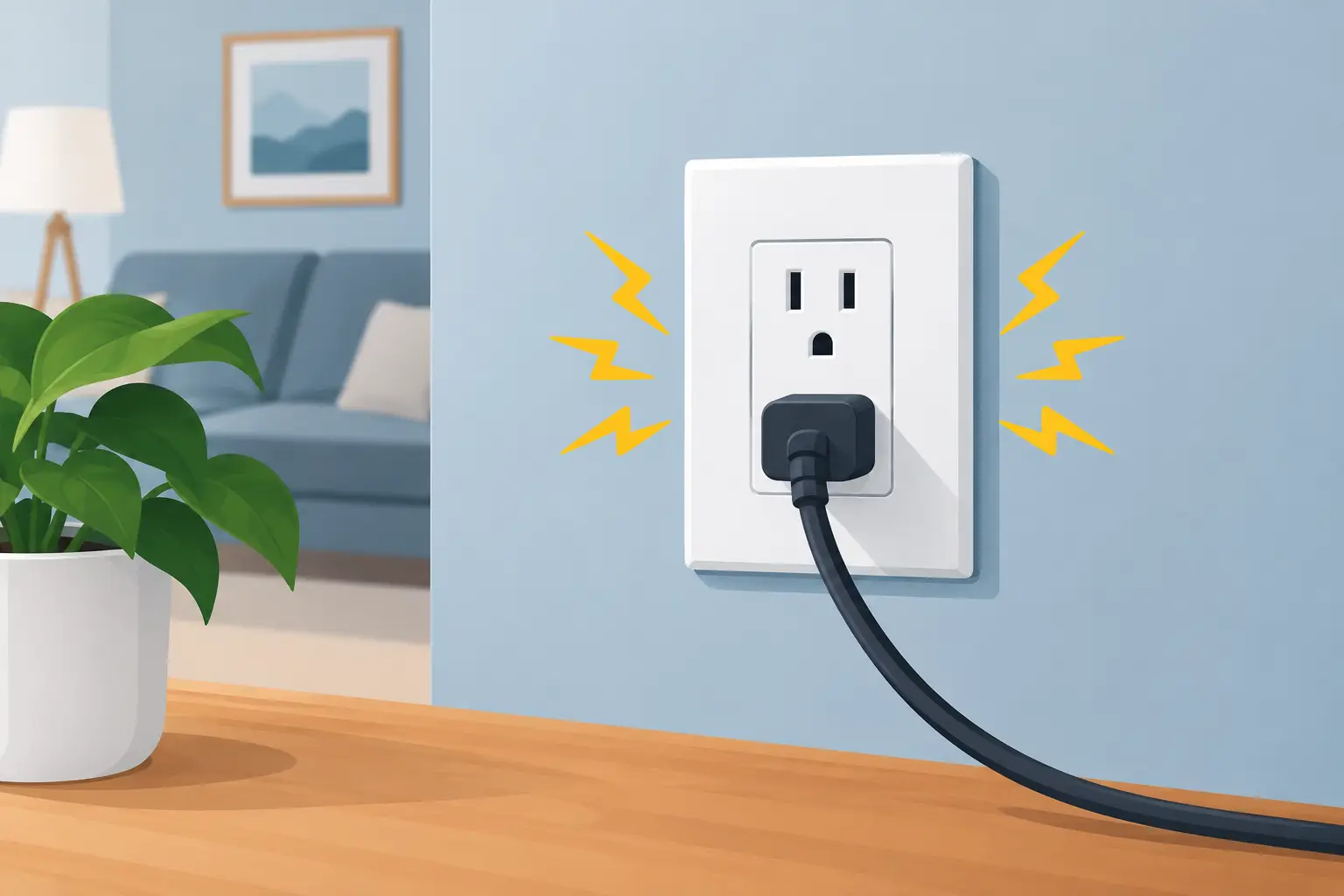
A breaker that trips once may be an inconvenience. A breaker that trips repeatedly, a warm outlet, or lights that dim when equipment starts can signal a problem behind the walls. An electrical inspection gives homeowners, property managers, and business owners a clear picture of whether their system is operating safely, has enough capacity, and needs attention before a minor defect becomes a shutdown, fire risk, or expensive repair.
For older Los Angeles properties especially, electrical systems often carry loads they were never designed to handle. Added air conditioning, remodeled kitchens, home offices, EV chargers, pool equipment, servers, and production machinery can all place new demands on existing wiring and panels.
What Happens During an Electrical Inspection?
A professional inspection is more than a quick look at the electrical panel. A qualified electrician evaluates the visible, accessible parts of the electrical system and looks for conditions that could affect safety, performance, code compliance, or future upgrades.
The scope depends on the property and the reason for the visit. A homeowner preparing to install an EV charger needs a different assessment than a property manager addressing recurring tenant complaints, or a facility manager reviewing power for machinery. Still, a thorough inspection commonly includes the service panel, breakers, grounding and bonding, wiring condition, outlets, switches, GFCI protection, lighting circuits, and signs of overheating or improper past work.
The electrician may test outlets for correct polarity and grounding, check whether breakers are properly sized for their circuits, and identify overloaded circuits. In commercial or industrial spaces, the review can also include equipment connections, disconnects, transformers, control wiring, dedicated circuits, and power distribution concerns.
A good inspection should leave you with plain-language findings. You should understand what needs immediate correction, what should be planned soon, and what is functioning as intended. Not every older installation requires a full replacement, but known hazards should never be treated as a wait-and-see issue.
When Should You Schedule an Electrical Inspection?
There is no single schedule that fits every property. Age, occupancy, equipment, renovation history, and electrical demand all matter. For most property owners, an inspection is particularly worthwhile after buying an older home, before a major remodel, after water intrusion or storm damage, or when adding high-demand equipment.
It is also wise to call an electrician when symptoms begin to repeat. A burning odor, buzzing panel, sparking outlet, hot switch plate, flickering lights, shocks or tingling from an appliance, and frequently tripped breakers all deserve prompt professional attention. Turning a breaker back on again and again does not solve the reason it tripped.
For businesses, inspections can protect uptime as well as people. A loose connection, undersized circuit, deteriorated insulation, or overloaded distribution point may lead to equipment damage and unplanned downtime. Routine reviews are especially valuable for older commercial buildings, tenant improvements, restaurants, medical offices, data-dependent workplaces, and facilities with motors or machinery.
Before You Buy or Remodel
A standard real estate inspection can identify broad concerns, but it does not replace an electrician’s targeted evaluation. Before purchasing a property, an electrical inspection can clarify whether the panel is outdated, whether aluminum wiring or knob-and-tube wiring is present, whether grounding is adequate, and whether visible modifications appear unsafe.
Before remodeling, the inspection helps establish what the existing system can support. A kitchen addition, bathroom renovation, ADU, new HVAC equipment, or expanded office space may require dedicated circuits, a panel upgrade, or wiring changes. Learning that early helps avoid delays after walls are open and plans are already underway.
Before Adding an EV Charger or Major Equipment
EV charging is a common reason to assess panel capacity. The same is true for spas, pools, heat pumps, compressors, commercial kitchen equipment, and new production machinery. These additions may be entirely feasible, but the correct installation depends on load calculations, available panel space, wire sizing, overcurrent protection, and local requirements.
A professional assessment can distinguish between a straightforward dedicated circuit and a project that requires service or panel upgrades. That distinction matters for safety, permitting, budget, and project timing.
Common Problems an Inspection Can Find
Electrical problems are not always visible from the room where they occur. A loose connection can heat up inside a box. An improperly bonded system may go unnoticed until a fault occurs. An overloaded circuit can seem fine until several appliances operate at once.
Some of the most common issues include damaged or aging wiring, double-tapped breakers, oversized breakers, missing GFCI protection near water, ungrounded receptacles, overloaded extension-cord use, open junction boxes, improperly installed subpanels, and signs of moisture at electrical equipment. Inspections also uncover DIY additions and work performed without appropriate protection or permitting.
In older homes, two-prong outlets, limited circuit capacity, and panels with little room for expansion are common concerns. That does not automatically mean every component must be replaced. An electrician should evaluate the actual condition of the system and recommend repairs or upgrades based on risk, use, and future plans.
For commercial properties, issues may involve poorly labeled panels, unbalanced loads, aging disconnects, inadequate dedicated circuits, or electrical rooms that need safer access and organization. Industrial sites may need a closer look at motor circuits, control components, high-voltage connections, and equipment grounding. The right scope depends on the building and its operations.
Why Licensing, Testing, and Documentation Matter
Electrical work affects the safety of everyone who lives, works, or visits a property. That is why an inspection should be performed by a licensed, insured electrical contractor with experience matching the type of system being reviewed.
Experience matters because electrical systems are not one-size-fits-all. A technician should be able to recognize the difference between an issue that needs immediate correction and an upgrade that can be planned around your budget. They should also explain the recommendation without pressure or vague language.
Clear documentation is valuable for property records, renovation planning, insurance discussions, and maintenance decisions. If repairs are recommended, ask what the issue is, why it matters, what options are available, and whether permits may be required. Transparent answers make it easier to make a sound decision.
Prime Electric brings more than 40 years of electrical experience to residential, commercial, and industrial service calls, with licensed and insured work, straightforward recommendations, and workmanship warranty coverage. That local experience is useful when a property has a mix of aging infrastructure and modern electrical demands.
What an Inspection Does Not Always Include
An inspection has limits. Electricians generally evaluate accessible equipment and visible conditions without opening every wall or dismantling every appliance. If testing points to a concealed problem, additional diagnostic work may be necessary to locate and repair it.
Likewise, a code concern does not always mean an entire existing system must be brought up to current code immediately. Requirements can vary based on the property’s age, the condition found, the planned work, and local permitting rules. However, serious hazards, damaged components, and unsafe installations should be corrected promptly.
The practical goal is not to chase upgrades that do not add value. It is to identify real risks, protect people and property, and build a sensible plan for repairs or improvements.
Electrical Inspection Questions Property Owners Ask
How long does an inspection take?
A focused residential inspection may take an hour or two, while a larger commercial or industrial assessment can take longer. Panel access, building size, the number of circuits, equipment complexity, and the reason for the inspection all affect timing.
Can an electrician inspect a panel without shutting off power?
Often, much of the assessment can be completed while the system remains energized, using appropriate safety practices and testing equipment. If a repair or more detailed evaluation requires shutdown, the electrician should explain that before proceeding whenever possible.
Should I wait for a problem before scheduling service?
Waiting is rarely the best strategy when your property is older, you are planning an upgrade, or warning signs have appeared. A planned inspection gives you more control over cost and scheduling than an emergency repair after equipment fails or a hazard develops.
If something feels off – a breaker is tripping, an outlet is warm, or your power needs have changed – treat it as useful information. A qualified electrician can inspect the system, explain what is happening, and help you make the next decision with confidence.