Apartment Electrical Upgrades That Improve Safety
[ez-toc]
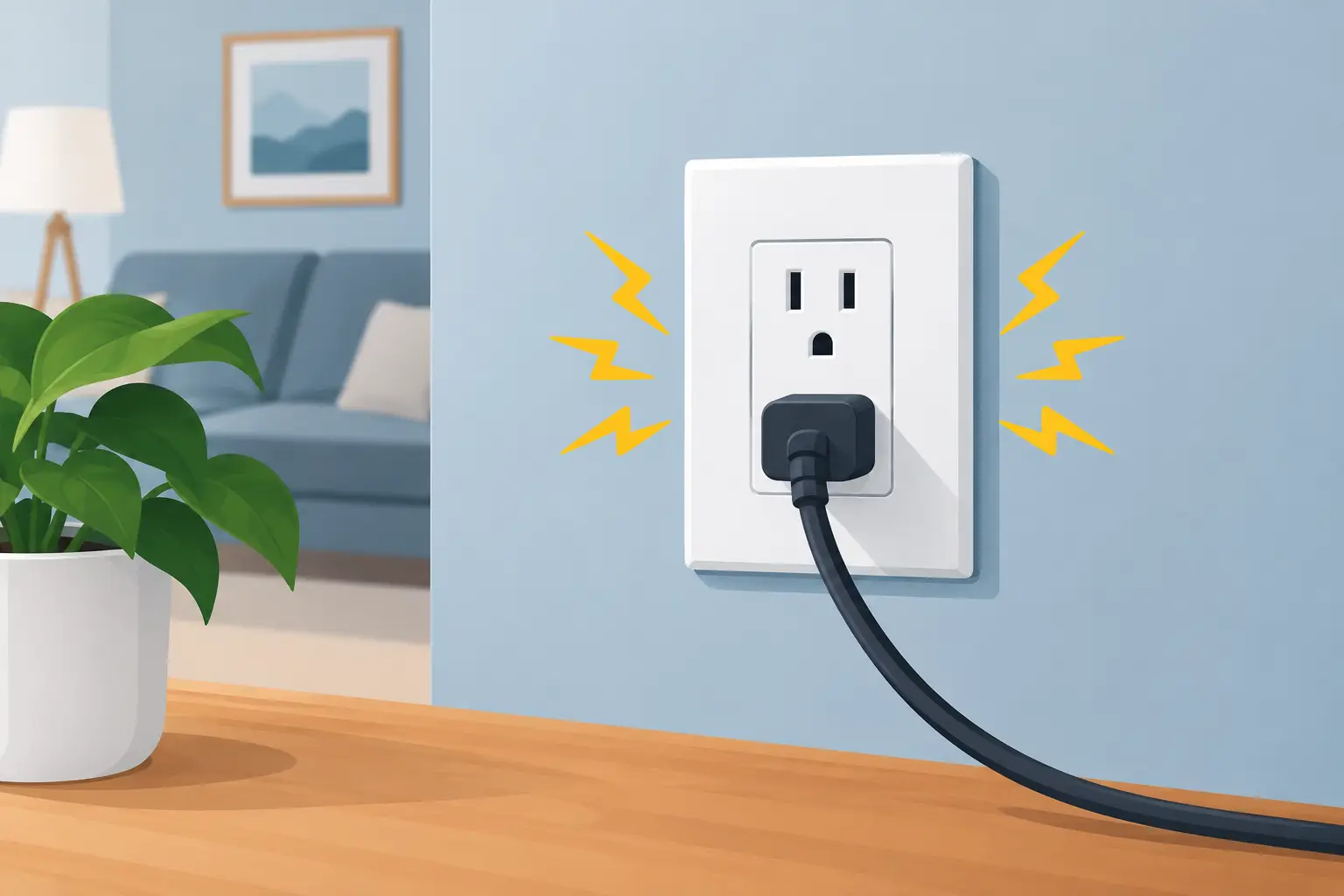
A single tripped breaker may seem minor until it cuts power to a refrigerator, home office, or tenant’s air conditioning during a Los Angeles heat wave. Apartment electrical upgrades are not just about adding convenience. They can correct aging wiring, reduce fire and shock risks, support higher electrical demand, and help owners protect a valuable property.
For apartment owners and property managers, the right project depends on the building’s age, panel capacity, unit layout, and planned improvements. A licensed electrician should assess the system before anyone starts opening walls, replacing outlets, or adding major equipment.
When Apartment Electrical Upgrades Make Sense
Many apartments were built for a very different way of living. A unit that once powered a few lamps, a refrigerator, and a window air conditioner may now carry computers, televisions, kitchen appliances, chargers, smart devices, and portable heating or cooling equipment. Older electrical systems can work reliably, but they should not be asked to do more than they were designed to handle.
Frequent breaker trips, flickering lights, warm outlets, buzzing sounds, or a burning odor are not normal inconveniences. They are reasons to stop using the affected circuit and schedule an inspection. The same is true when tenants rely on extension cords or power strips because there are too few outlets where they need them.
Property improvements also create a natural time to evaluate electrical work. A kitchen remodel, bathroom renovation, laundry addition, HVAC replacement, or conversion of a room into an office can change the unit’s power needs. Addressing electrical capacity before finishes are installed is usually cleaner and more cost-effective than reopening completed walls later.
High-Value Electrical Upgrades for Apartments
Panel and Circuit Breaker Improvements
The electrical panel is the distribution point for the entire unit or building. If it is outdated, damaged, undersized, or full of improperly added circuits, other upgrades may be limited from the start. An electrician can evaluate the existing load, panel condition, grounding, and available capacity before recommending a repair, subpanel, or full panel upgrade.
A panel replacement is not automatically necessary just because a building is older. Some older panels remain serviceable, while others have known reliability concerns or no room for additional circuits. The correct decision comes from an on-site evaluation, not a guess based on age alone.
New or properly sized breakers can also resolve specific problems. Dedicated circuits may be needed for appliances such as microwaves, dishwashers, garbage disposals, laundry equipment, or air conditioners. Separating these loads prevents one heavily used appliance from overloading a general-use outlet circuit.
GFCI and AFCI Protection
Ground-fault circuit interrupter, or GFCI, protection helps reduce the risk of electric shock where electricity and moisture may meet. Kitchens, bathrooms, laundry areas, garages, exterior locations, and certain other spaces commonly require this protection under current code requirements. A GFCI outlet or breaker can shut off power quickly when it detects a dangerous ground fault.
Arc-fault circuit interrupter, or AFCI, protection is designed to detect certain hazardous arcing conditions that can lead to fires. These devices are often required in living areas during renovations or circuit changes, depending on the work being performed and the applicable code. They can be especially valuable in apartments with aging branch wiring, loose connections, or heavily used outlets.
These protections serve different purposes. A GFCI is not a substitute for an AFCI, and neither device fixes damaged wiring. A qualified electrician can identify where each type belongs and investigate any nuisance trips rather than simply replacing a breaker with a standard one.
More Outlets and Better Placement
Adding outlets is one of the most practical apartment electrical upgrades because it can eliminate unsafe extension-cord habits. Modern tenants expect accessible receptacles near beds, desks, kitchen counters, and media areas. For owners, well-placed outlets can make a unit feel more functional without a major renovation.
The challenge is that outlet additions often require more than cutting an opening in drywall. The electrician must confirm that the circuit can safely accept the added load, determine whether the box and wiring are suitable, and follow required spacing and protection rules. In a multi-unit property, work may also need to account for shared walls, fire-rated assemblies, and access to common electrical spaces.
USB-equipped receptacles can be convenient in bedrooms or work areas, but they should not be viewed as a replacement for adequate circuit capacity. The wiring behind the wall matters more than the faceplate.
Lighting, Ceiling Fans, and Controls
Lighting upgrades improve both safety and day-to-day appeal. Recessed lighting, updated fixtures, under-cabinet lighting, and dimmers can refresh an apartment while reducing energy use when paired with efficient LED fixtures. In hallways, stairwells, garages, and other common areas, occupancy sensors and photocell controls can prevent lights from being left on unnecessarily.
Ceiling fans deserve special attention. A fan must be mounted to a fan-rated electrical box and properly supported. Installing a heavy fan on a standard fixture box can create a serious safety issue over time. A professional installation also confirms that the switch, wiring, and controls are correctly configured.
For rental properties, durable fixtures and easy-to-use controls often provide a better return than overly complicated smart-home products. Smart switches can be useful, but compatibility with the existing wiring and neutral conductor should be verified first.
Whole-Home Surge Protection
Sensitive electronics are now common in every apartment. Televisions, routers, computers, appliances, smart thermostats, and charging equipment can all be affected by voltage spikes. Plug-in surge strips offer some protection at the point of use, but a whole-home surge protector installed at the panel adds another important layer.
Surge protection is particularly worthwhile when a property has newer appliances or electronic controls. It does not prevent every electrical problem, and it will not correct poor grounding or faulty wiring. Still, when installed as part of a well-maintained electrical system, it can help reduce avoidable equipment damage.
Wiring Replacement in Older Units
Some apartment buildings in Los Angeles contain wiring systems that deserve closer attention, especially after decades of repairs, tenant turnover, and remodels. Damaged insulation, loose splices, ungrounded outlets, aluminum branch wiring, or obsolete components may call for targeted repairs or more extensive rewiring.
Full rewiring is disruptive, so it should be planned carefully. Owners should weigh the condition of the system, the scope of upcoming renovations, unit vacancy timing, and long-term property goals. In some cases, targeted circuit replacement and panel work are appropriate. In others, replacing outdated wiring is the safer long-term investment.
Plan the Work Around Safety, Access, and Compliance
Electrical upgrades in an apartment are rarely isolated from the rest of the property. A single-unit project may involve the building’s main service, shared meter equipment, common-area wiring, or utility coordination. Permits and inspections may be required depending on the scope of work and local requirements.
For property managers, clear tenant communication is part of a successful project. Explain when power will be interrupted, what rooms require access, how long work may take, and whether furniture should be moved. Professional electricians should protect work areas, keep the site orderly, and explain any conditions discovered once the project begins.
Price should be discussed in context. The lowest estimate may exclude permits, troubleshooting, proper materials, patch coordination, or required safety upgrades. Ask whether the contractor is licensed and insured, what the scope includes, how unexpected conditions are handled, and whether workmanship is backed by a warranty.
Choose an Electrician Who Can Assess the Whole System
Apartment work demands more than a quick outlet replacement. The electrician needs to understand residential code requirements, multi-unit access issues, panel loading, and the practical needs of owners and tenants. That broader perspective helps prevent a cosmetic upgrade from becoming a recurring maintenance problem.
Prime Electric brings more than 40 years of electrical experience to residential and multi-unit properties throughout the Los Angeles area. A professional assessment can identify immediate safety concerns while helping you prioritize upgrades that fit your property, budget, and renovation schedule.
The best time to improve an apartment’s electrical system is before a small warning sign becomes an emergency or a renovation makes access difficult. Start with a qualified inspection, make decisions based on the actual condition of the system, and invest where the improvement will protect people and property for years to come.