Commercial Electrical Maintenance Plan Basics

A tripped breaker during a busy shift is more than an inconvenience. It can stop point-of-sale systems, shut down equipment, interrupt tenant operations, and create a safety concern that demands immediate attention. A commercial electrical maintenance plan gives property owners, managers, and business operators a practical way to reduce those surprises while protecting the electrical systems their operations depend on.
For Los Angeles businesses, preventive maintenance is especially valuable. Older buildings, tenant improvements, high electrical demand, added technology, and expanding equipment loads can all place pressure on panels, circuits, wiring, and connections. A qualified electrician can identify developing issues before they become emergency calls, costly downtime, or code-related problems.
What a Commercial Electrical Maintenance Plan Covers
A maintenance plan is a scheduled program of inspections, testing, cleaning, repairs, and documentation tailored to a building’s electrical system and how the property is used. It is not a one-size-fits-all checklist. A small retail suite has different needs than a medical office, restaurant, warehouse, manufacturing facility, or multi-tenant commercial property.
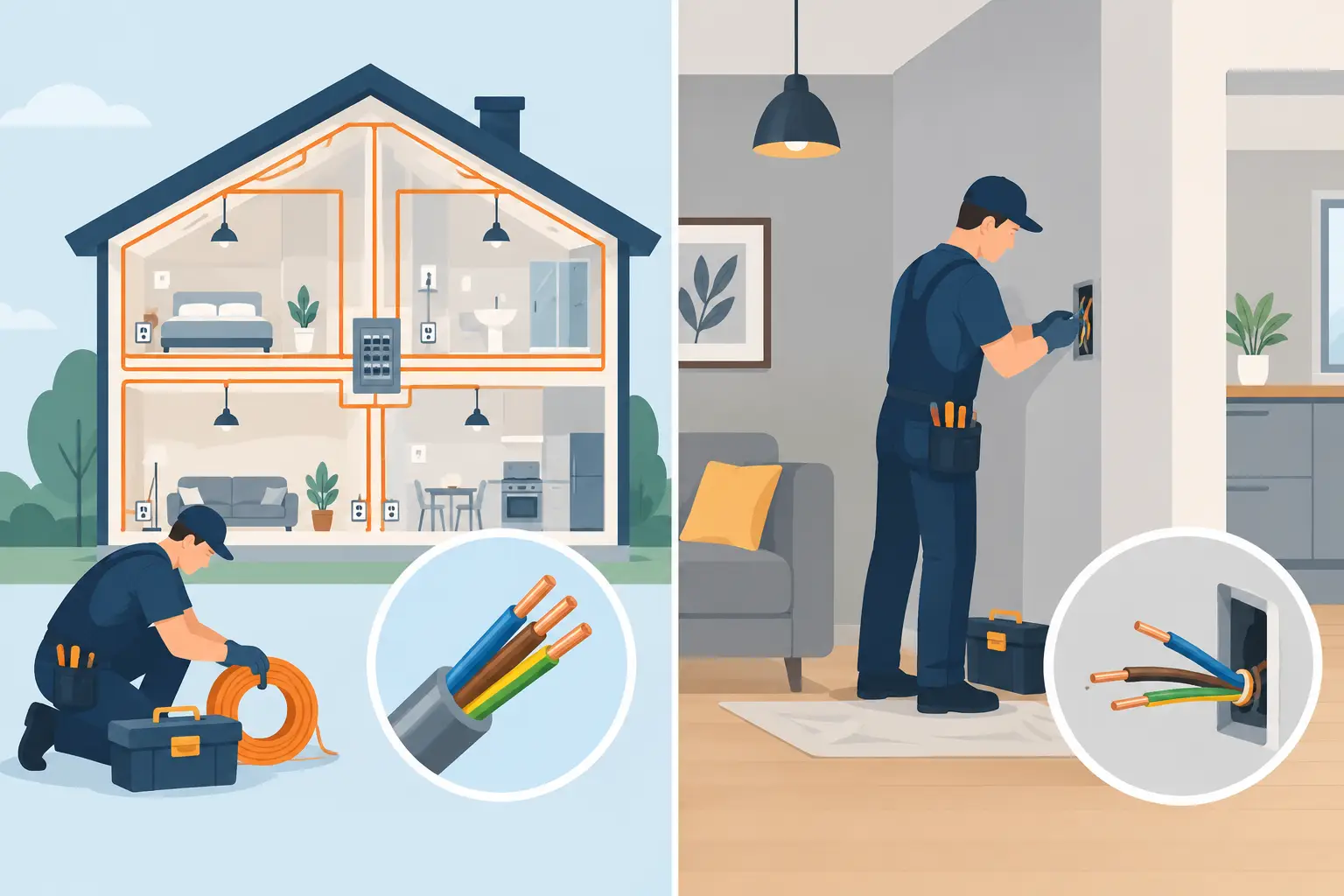
The starting point is understanding the condition and capacity of the electrical infrastructure. This may include the main service, electrical panels, circuit breakers, feeders, branch circuits, grounding and bonding, lighting, emergency systems, surge protection, data cabling, and equipment connections. The electrician should also consider equipment added since the original installation, such as EV chargers, computers, refrigeration, compressors, machinery, or upgraded HVAC systems.
A useful plan sets a regular service interval and separates routine maintenance from larger repair or upgrade recommendations. That distinction helps decision-makers budget responsibly. Not every observation requires immediate replacement, but every documented concern should have a clear explanation of its risk, priority, and recommended next step.
Why Preventive Electrical Service Protects Uptime
Electrical failures rarely arrive without warning. Excess heat at a connection, breakers that trip more often, flickering lighting, corrosion, overloaded circuits, and outdated components can signal a system under stress. Left unaddressed, a minor defect can develop into equipment damage, production interruptions, or a more serious electrical hazard.
Routine service helps identify loose terminations, damaged conductors, signs of overheating, water intrusion, improper grounding, and circuits operating beyond their intended load. In commercial settings, these details matter because electrical demand changes over time. A panel that adequately served a building ten years ago may no longer be suited to current tenants, technology, or operating hours.
The financial case is straightforward. Planned maintenance costs are generally easier to schedule than emergency repairs, after-hours service, lost inventory, tenant complaints, or business interruption. Still, the right level of maintenance depends on the property. A lightly used professional office may need a different schedule than a facility operating machinery every day or a restaurant with high-demand kitchen equipment.
Building the Right Maintenance Schedule
The most effective commercial electrical maintenance plan begins with a baseline assessment. Before setting quarterly or annual visits, an electrician should review the age of the system, service history, electrical load, known trouble areas, and the consequences of downtime. A property with sensitive electronics or critical operations may justify more frequent inspections than a low-demand space.
For many commercial properties, an annual inspection is a sensible foundation. Higher-demand facilities may benefit from quarterly or semiannual service, particularly where equipment vibration, heat, moisture, dust, heavy usage, or frequent changes in electrical load are present. After a major renovation, tenant build-out, equipment installation, or recurring breaker issue, an additional assessment is often warranted.
A sound schedule also accounts for operational realities. Maintenance can often be planned during slower hours, before a new tenant opens, or around production schedules. That reduces disruption and gives management time to approve repairs before a problem becomes urgent.
Panel, Breaker, and Circuit Maintenance
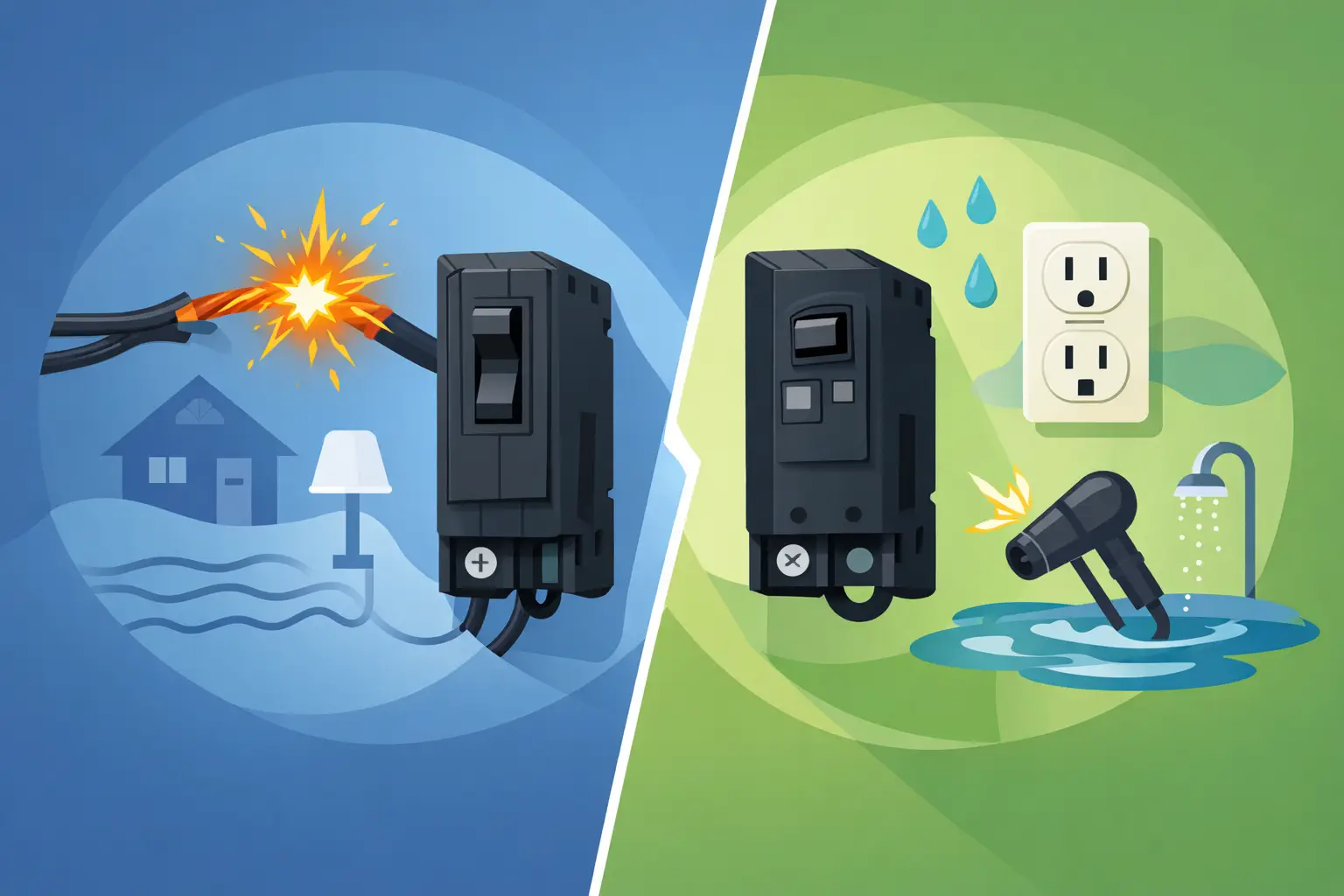
Panels and breakers deserve close attention because they distribute power throughout the property. Service may include checking for visible damage, labeling accuracy, signs of heat, corrosion, loose connections, overloaded circuits, and breaker performance concerns. Accurate panel directories are not a minor detail. During an emergency, clear labeling helps staff and electricians isolate the correct circuit quickly.
If circuits trip repeatedly, the answer is not automatically a larger breaker. The cause could be an overloaded circuit, failing equipment, a wiring issue, a loose connection, or a breaker that needs evaluation. Increasing breaker size without confirming conductor capacity can create a serious safety risk.
Lighting, Emergency Systems, and Controls
Commercial lighting maintenance goes beyond replacing lamps. An electrician can inspect fixtures, drivers, switches, occupancy sensors, photocells, dimmers, exterior lighting, and lighting controls. Poor lighting affects security, employee comfort, customer experience, and productivity, while failing exterior or parking-area lighting can create avoidable liability concerns.
Emergency and exit lighting should also be evaluated on a regular basis. These systems need to work when normal power does not. Testing, battery replacement, fixture repairs, and documentation can help property managers stay ahead of failures that may only become visible during an outage or inspection.
Grounding, Surge Protection, and Sensitive Equipment
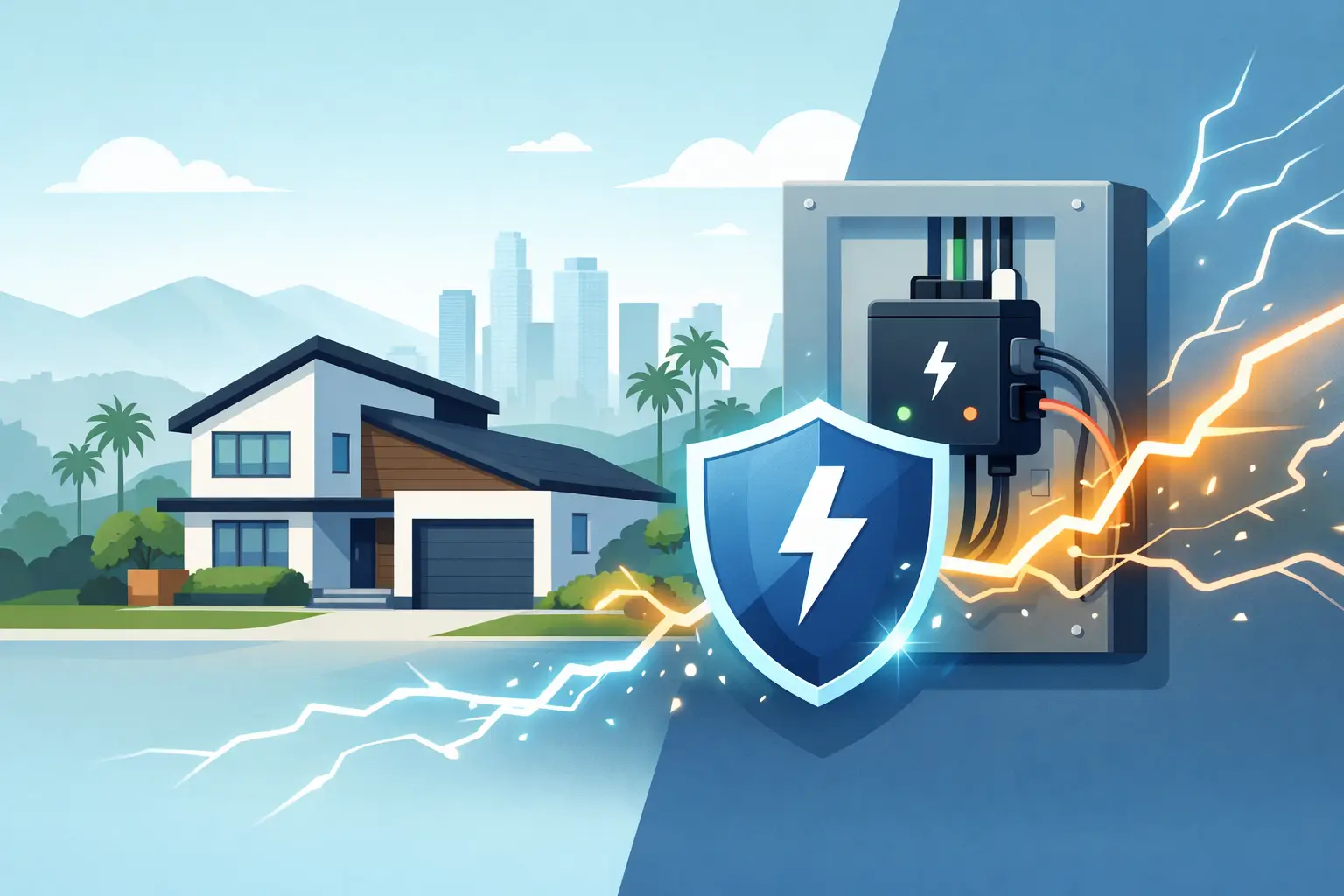
Businesses rely on computers, network hardware, point-of-sale systems, security equipment, and specialized controls more than ever. Proper grounding and surge protection help protect these investments from electrical disturbances. They do not eliminate every risk, but they are valuable safeguards when designed for the property and maintained correctly.
This is particularly relevant for offices with isolated computer circuits, facilities with telecom and data infrastructure, and industrial operations using sensitive machinery controls. When equipment failures occur repeatedly, the electrical supply and grounding system should be part of the investigation, not an afterthought.
Documentation Turns Service Into a Management Tool
A maintenance visit should leave the owner or manager with more than a verbal update. Clear documentation makes it easier to track system condition, plan capital improvements, communicate with tenants, and compare recurring issues over time.
The service record should identify what was inspected, what was repaired, what requires monitoring, and what should be addressed soon. Photos and panel information can be useful where appropriate. For larger properties, keeping electrical records organized also helps future service calls move faster because the electrician has a clearer picture of past work and known conditions.
This documentation supports better budgeting. Instead of waiting for a panel, lighting system, feeder, or equipment connection to fail, management can prioritize work based on safety, operational impact, and remaining service life. Some upgrades may be prudent now, while others can be scheduled for a future budget cycle.
Choosing a Commercial Electrical Partner
Commercial maintenance requires more than a quick visual check. The electrician should be licensed, insured, experienced with commercial systems, and prepared to explain findings in plain language. Ask how service recommendations are prioritized, whether estimates are provided before non-emergency work begins, and how maintenance records will be handled.
Responsiveness matters too. A maintenance program is most useful when the same electrical partner can respond if an issue is discovered or an unexpected failure occurs. For Los Angeles-area businesses, Prime Electric brings more than 40 years of electrical experience, a strong local service record, and workmanship warranty coverage to commercial maintenance, repairs, upgrades, and troubleshooting.
When to Schedule an Electrical Assessment
Do not wait for a total outage to assess a commercial electrical system. Schedule an evaluation if breakers trip frequently, lights flicker, equipment loses power, panels feel unusually warm, new equipment has been added, or the building has incomplete electrical records. An assessment is also wise before a tenant improvement, equipment expansion, lease transition, or major operational change.
A well-managed electrical system supports the work happening inside the building every day. With consistent inspections, honest recommendations, and repairs completed by qualified professionals, a commercial property can move from reacting to electrical problems to planning for reliable operation.