Do I Need GFCI Outlets in My Home?
[ez-toc]
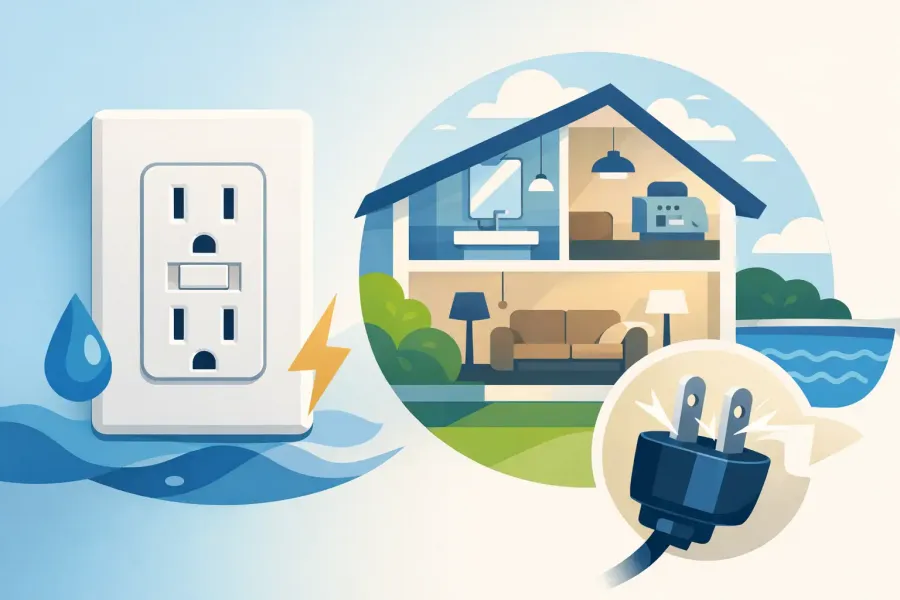
That question usually comes up right after something feels off – an outlet near the sink, a garage receptacle that trips for no clear reason, or an older home that has never had a serious electrical update. If you are asking, do I need GFCI outlets, the short answer is yes in many parts of a home or building, and for a good reason. GFCI protection is designed to reduce the risk of shock where electricity and moisture can come into contact.
For homeowners, property managers, and business owners, this is not just a box to check for code. It is a practical safety upgrade that can prevent injuries, protect occupants, and help bring older electrical systems closer to current standards. The details depend on where the outlets are located, the age of the property, and whether the space has been remodeled.
What GFCI outlets actually do
A GFCI, or ground fault circuit interrupter, monitors the flow of electricity through a circuit. If it detects that current is taking an unintended path – such as through water, metal, or a person – it can shut off power very quickly. That fast response is what makes it so valuable in bathrooms, kitchens, garages, outdoors, and other damp or grounded locations.
A standard outlet does not provide that same level of shock protection. It may still deliver power normally, even in conditions where a dangerous fault exists. That is why GFCI protection has become a standard requirement in specific areas.
Do I need GFCI outlets in every room?
Usually, no. Not every outlet in a property needs to be a GFCI outlet. The more accurate question is whether the outlet is in a location where GFCI protection is required or strongly recommended.
In most residential settings, GFCI protection is commonly needed in bathrooms, kitchens, garages, laundry areas, unfinished basements, crawl spaces, outdoor areas, and near sinks or wet bars. For commercial properties, the answer can be more complex because usage, occupancy type, equipment load, and local enforcement all matter.
There is also an important distinction between a GFCI outlet and GFCI protection. Sometimes protection is provided by the outlet itself. In other cases, it is provided upstream by a GFCI breaker or another protected device on the circuit. So if you do not see a GFCI receptacle at every location, that does not automatically mean the property is unprotected.
Where GFCI protection is typically required
The logic behind code requirements is straightforward. If a person is more likely to be grounded, wet, or using portable appliances near water, the risk of shock goes up. That is where GFCI protection matters most.
Bathrooms
Bathroom outlets generally need GFCI protection. Hair dryers, razors, and countertop appliances are used close to sinks, and wet hands are common. This is one of the clearest cases where protection is essential.
Kitchens
Kitchen countertop receptacles usually require GFCI protection, especially those serving areas near sinks and food prep spaces. In many homes, this covers the outlets people use most often for coffee makers, blenders, toasters, and similar appliances.
Garages and unfinished spaces
Garages, unfinished basements, crawl spaces, and similar utility areas are common locations for GFCI requirements. These spaces often have concrete floors, exposure to moisture, and heavy-duty tools or extension cords, which increase shock risk.
Outdoor outlets
Exterior receptacles are exposed to weather, irrigation, washing, and general moisture. Outdoor GFCI protection is one of the most important upgrades for safety and code compliance.
Laundry rooms and utility sinks
If outlets are located in laundry areas or near utility sinks, GFCI protection is often required. Water, metal appliances, and grounded surfaces all make these areas higher risk.
Pool, spa, and wet-area equipment
Any electrical work around pools, spas, fountains, or similar installations requires careful evaluation. These areas involve strict safety rules, and GFCI protection is often a major part of the installation.
Older homes and existing outlets
Many Los Angeles-area properties were built long before current electrical safety standards were in place. That does not automatically mean every outlet must be replaced immediately, but it does mean older wiring and receptacles should be evaluated carefully.
If your home has two-prong outlets, ungrounded circuits, aging receptacles, or a panel that has not been updated in years, the answer to do I need GFCI outlets becomes more urgent. Even if your existing outlets still function, they may not offer the level of protection expected in modern homes.
Code requirements often apply differently to existing conditions versus new work. For example, if you remodel a kitchen or bathroom, install new receptacles, or extend a circuit, you may trigger a requirement to add GFCI protection in that area. That is why homeowners are often surprised during renovation projects. The outlet that seemed fine for years may no longer meet current code once work begins.
Signs it is time to upgrade
Some properties need GFCI protection because code requires it. Others need it because the current setup shows clear signs of age, wear, or risk.
If outlets are located near water and do not have test and reset buttons, that is worth checking. If receptacles feel loose, show discoloration, stop working intermittently, or trip unpredictably, they should be inspected. The same is true if you rely on extension cords in garages, outdoors, or utility spaces because the existing outlet layout is not meeting the needs of the property.
Frequent tripping does not always mean the device is bad. Sometimes a GFCI trips because it is doing its job and detecting a fault. Other times, nuisance tripping can point to a wiring issue, damaged equipment, or moisture intrusion. Either way, the right answer is inspection, not guesswork.
GFCI outlet or GFCI breaker?
This is where the answer depends on the property.
A GFCI outlet protects itself and, when wired properly, can also protect downstream outlets on the same circuit. A GFCI breaker protects the entire branch circuit from the panel. In some situations, a breaker is cleaner and more practical. In others, installing a GFCI receptacle at the point of use makes more sense.
The best choice depends on circuit layout, panel condition, accessibility, and budget. For a homeowner, the practical concern is not just cost. It is making sure the protection is installed where it belongs and labeled correctly. For commercial or industrial spaces, that decision can also affect maintenance and troubleshooting.
Why professional installation matters
GFCI devices are not complicated in theory, but proper installation still matters. Line and load connections must be correct. Circuit sharing must be identified. Older wiring conditions must be evaluated. In some properties, especially older homes and mixed-use buildings, the outlet itself is only one part of the problem.
A licensed electrician can determine whether the issue is missing GFCI protection, a miswired receptacle, a panel concern, or a broader wiring problem. That kind of diagnosis is what protects people and avoids repeat service calls.
For property owners, there is also the issue of liability. If an outlet in a wet or grounded area should have GFCI protection and does not, that can become a serious concern after an injury, an inspection, or a renovation. Having the work done correctly, with licensed and insured professionals, gives you a much stronger footing.
Do I need GFCI outlets before selling or renting a property?
Not every sale or lease will require a full electrical overhaul, but safety concerns have a way of surfacing during inspections, turnover work, and tenant complaints. Missing GFCI protection is one of the most common issues found in older properties because it is visible, straightforward to identify, and tied directly to occupant safety.
If you manage rentals or prepare homes for sale, updating GFCI protection in the right locations can be a smart preventive step. It helps reduce objections, limits safety concerns, and shows that the property has been maintained with care.
The practical answer
If an outlet is near water, outdoors, in a garage, in a utility area, or part of an older electrical system, there is a good chance GFCI protection is either required or strongly recommended. The exact answer depends on the location, the circuit, and whether recent work has changed the code requirements for that area.
When the stakes involve shock protection, this is not the place for assumptions. A quick evaluation from an experienced electrician can tell you what is required, what is recommended, and what will make the property safer and more dependable for the long term.
If you have been wondering whether your outlets are up to standard, that question is worth asking now, before a failed inspection, a recurring trip, or a dangerous close call forces the issue.