Top Electrical Arcing Warning Signs to Act On
[ez-toc]
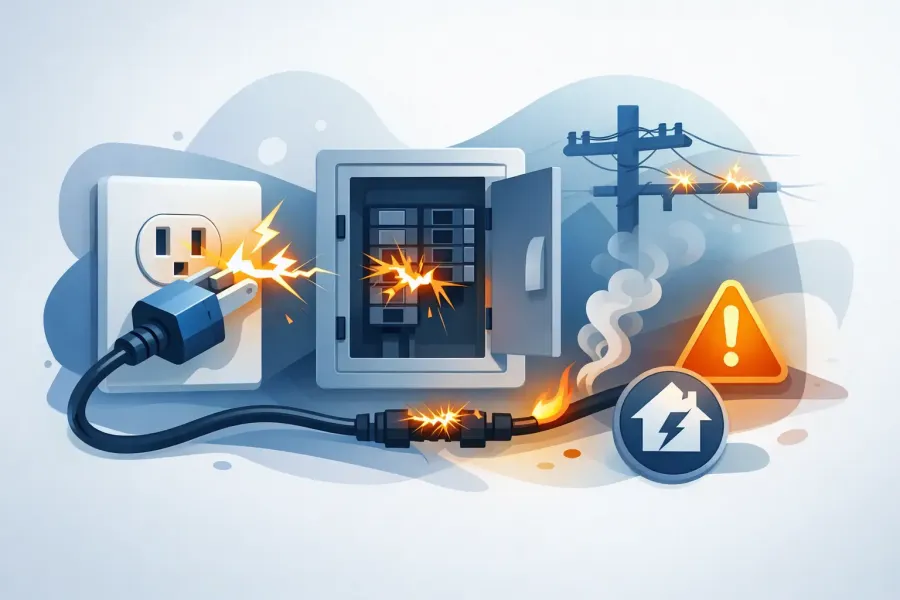
A light switch that crackles when you flip it is not a harmless quirk. Neither is a breaker that trips repeatedly, an outlet that feels warm, or a burning-plastic smell near a panel. These are among the top electrical arcing warning signs that can indicate electricity is jumping across a gap or poor connection instead of traveling safely through the wiring path.
Electrical arcing creates intense heat at a small point. In a home, office, retail space, or industrial facility, that heat can damage insulation, melt device components, and create a fire risk before there is visible flame. The right response depends on the symptom and the circuit involved, but suspected arcing is never a good DIY repair project.
What Electrical Arcing Means
Arcing occurs when electric current bridges an unintended gap. That gap may be caused by a loose wire connection, damaged insulation, corroded terminals, a failing breaker, worn receptacle, overloaded equipment, or wiring that has been physically damaged.
A brief spark can occur when plugging in certain devices, particularly those with motors or large power supplies. That is not automatically an emergency. The concern is repeated sparking, visible flashes from a switch or outlet, buzzing, heat, discoloration, or any sign that a connection is failing. Those conditions deserve prompt professional attention.
Older Los Angeles properties can be especially susceptible when original wiring, aging panels, remodeling work, or years of added electrical demand have outgrown the system. Modern loads such as EV chargers, HVAC equipment, computers, kitchen appliances, and production machinery put more pressure on weak connections that may have gone unnoticed for years.
Top Electrical Arcing Warning Signs at Home or Work
Buzzing, sizzling, or crackling from electrical devices
A properly operating switch, outlet, panel, or junction box should not make a persistent buzzing or sizzling sound. Noise can signal a loose conductor, damaged breaker, overloaded circuit, or internal component failure. If the sound is coming from the electrical panel, treat it as urgent. Do not remove the panel cover or attempt to tighten anything inside it.
Some electronic dimmers and transformers can produce a mild hum during normal operation. The difference is consistency and context. A new, loud, intermittent, or worsening noise, especially when paired with warmth or flickering lights, calls for an electrician.
Burning odors or unexplained heat
A sharp odor resembling hot plastic, burning rubber, or overheated insulation is one of the most serious warning signs. It may appear only when a particular appliance, light fixture, or piece of equipment is running. Do not assume the smell will disappear on its own.
Warm outlet covers, switches, extension cords, plugs, or breaker panel surfaces also need attention. A device can become slightly warm under heavy, normal use, but it should not be hot to the touch. If safe to do so, stop using the affected equipment and turn off the circuit at the breaker. If there is smoke, visible sparking, or an active fire hazard, leave the area and call emergency services.
Discolored outlets, switches, plugs, or panel components
Brown, black, yellowed, or melted plastic around an outlet or switch often indicates overheating. You may also see scorch marks around a plug blade or a breaker. This damage can result from arcing, a loose terminal, an overloaded circuit, or a device that is no longer making secure contact.
Do not paint over discoloration or replace only the faceplate and consider the problem resolved. The damaged component may be hiding heat damage in the box, wiring, or connection behind it. A qualified electrician should identify the cause before the circuit is returned to normal use.
Frequent breaker trips or blown fuses
A breaker trips to protect wiring when it detects conditions it is designed to interrupt. One trip after an obvious overload may be explained by too many high-demand devices on the same circuit. Repeated trips, however, are a message that the circuit needs evaluation.
Arcing faults, short circuits, failing appliances, damaged wiring, and undersized circuits can all cause repeated interruptions. Resetting a breaker over and over can allow a dangerous condition to continue. If the breaker immediately trips again, leave it off until the source is diagnosed.
Flickering or dimming lights that are not tied to the bulb
A loose bulb can cause a single light to flicker. But several lights dimming, flickering when an appliance starts, or lights changing brightness in multiple rooms can point to a circuit, panel, or service connection issue.
Pay close attention if lights flicker along with buzzing at a switch, a hot outlet, or breaker trips. In commercial settings, lighting fluctuations near equipment startup can also indicate a load or connection problem that affects uptime and safety. The repair may be simple, or it may require circuit testing and equipment evaluation. That is why diagnosis matters before replacing parts.
Sparks from outlets, switches, or appliances
A small, one-time spark when inserting a plug can sometimes occur as contacts engage, especially with a device that is already switched on. A large spark, repeated spark, blue flash, or spark accompanied by a popping sound is different. Stop using that outlet or device.
Sparking at a wall switch may indicate a worn switch, loose wire, or incompatible dimmer and lighting load. Sparking at an appliance plug can mean the receptacle has worn contacts, the cord is damaged, or the appliance itself is failing. The visible spark is the symptom. The goal is to find the source rather than simply replacing whichever item is easiest to reach.
Loose outlets, switches, or plugs
An outlet that moves when a plug is inserted can place strain on wiring connections behind the wall. A plug that falls out easily can indicate worn internal contacts, which may create a poor connection and heat buildup. Loose switches can present similar risks, particularly in high-use areas such as kitchens, hallways, offices, and service rooms.
These issues are often dismissed because the circuit still works. Electrical equipment can continue to operate while a connection gradually deteriorates. Prompt repair is generally less disruptive and less expensive than waiting for heat damage or a complete failure.
What to Do When You Suspect Arcing
First, avoid touching damaged, wet, hot, smoking, or visibly sparking electrical equipment. Do not use water on an electrical fire. If conditions are safe and you can identify the correct breaker without approaching a damaged panel, turn off power to the affected circuit.
Then unplug connected devices only if the outlet and plug are cool, dry, and undamaged. Keep people away from the area, particularly children, tenants, customers, or employees. If there is smoke, fire, severe burning odor, or a panel issue, call emergency services as appropriate.
Next, arrange a professional electrical inspection. Useful details include when the symptom started, what was operating at the time, whether the breaker tripped, and whether the problem affects one circuit or multiple areas. Those observations help an electrician isolate the cause efficiently.
Why DIY Repairs Can Make Arcing Worse
Replacing an outlet or switch may look straightforward, but a visible device is only one part of the electrical system. Incorrect wire terminations, mismatched device ratings, damaged conductors, overloaded circuits, and hidden junction-box problems can remain after a cosmetic replacement. Work inside a panel carries even greater shock and fire risks.
For property managers and business owners, there is also a continuity issue. A temporary fix that restores power without addressing the underlying fault can lead to repeated service interruptions, damaged equipment, tenant complaints, or unsafe operating conditions. Documentation, correct materials, and code-compliant repairs protect the property as well as the people using it.
A licensed, insured electrician can test the circuit, inspect connections, evaluate the panel and protective devices, and recommend the appropriate repair. The solution might be a device replacement, wiring repair, circuit upgrade, breaker replacement, dedicated circuit, or a broader panel improvement. It depends on what testing reveals.
When to Call for Immediate Electrical Service
Do not wait for a convenient time if you notice smoke, visible arcing, melted equipment, a burning smell that persists, repeated breaker trips, or a hot electrical panel. These conditions can worsen quickly. Businesses and facilities should also act quickly when machinery, telecom equipment, computer circuits, or critical lighting are affected, since an electrical fault can damage sensitive systems and interrupt operations.
Prime Electric provides professional electrical troubleshooting and repairs for homeowners, property managers, businesses, and industrial facilities throughout the Los Angeles area. With more than 40 years of service, licensed and insured technicians, and workmanship warranty coverage, the focus is on finding the real cause and completing repairs safely.
If an outlet, switch, panel, or piece of equipment is giving you a warning sign, trust that instinct. Turning off the affected circuit and arranging a qualified inspection can prevent a small electrical symptom from becoming a much larger problem.