Why Your Circuit Breaker Keeps Tripping

A breaker that trips once during a storm or when a large appliance starts up can be a fluke. But when a circuit breaker keeps tripping, that is your electrical system telling you something is wrong. Sometimes the issue is simple, like too many devices on one circuit. Sometimes it points to a failing breaker, damaged wiring, or a dangerous fault that needs immediate professional attention.
For homeowners, property managers, and business owners, the goal is not just getting the power back on. The goal is finding out why it happened and making sure it does not keep happening. A breaker is a safety device. When it trips, it is doing its job by shutting off power before wires overheat or equipment is damaged.
What it means when a circuit breaker keeps tripping
Your electrical panel is designed to protect each circuit from carrying more current than it can safely handle. When a breaker senses a problem, it shuts off the circuit. That problem usually falls into one of three categories: an overload, a short circuit, or a ground fault.
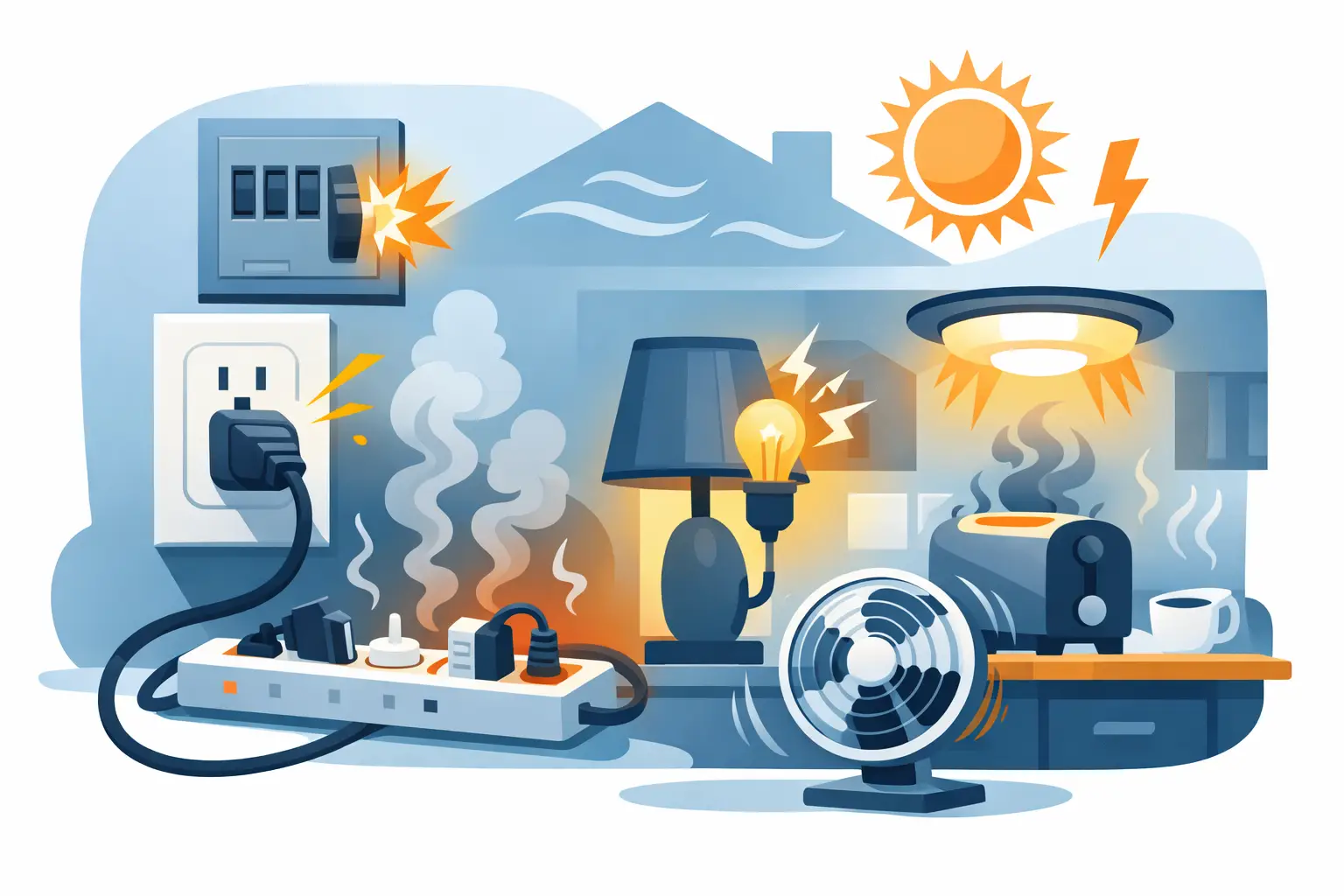
An overload happens when too many lights, tools, appliances, or electronics are running on the same circuit at the same time. This is common in older homes, garages, kitchens, offices, and commercial spaces where electrical demand has grown over time but the wiring has not been updated to match.
A short circuit is more serious. It happens when a hot wire touches a neutral wire, creating a sudden surge of current. A ground fault is similar, but the hot wire touches a ground path instead. Both can create heat, sparks, and fire risk. If a breaker trips immediately after you reset it, or trips the moment you plug something in, that is a sign the problem may be more than a simple overload.
The most common reasons a circuit breaker keeps tripping
Too many devices on one circuit
This is the most straightforward cause. Window AC units, space heaters, microwaves, hair dryers, refrigerators, treadmills, and EV chargers all draw significant power. If several are sharing the same circuit, the breaker may trip to prevent overheating.
In residential settings, this often shows up in older kitchens, bedrooms, and living rooms where modern usage is heavier than the original design allowed. In commercial settings, it may happen when office equipment, printers, break room appliances, or tenant improvements were added without balancing the load across circuits.
A faulty appliance or device
Sometimes the circuit is fine, but one item connected to it is not. A damaged toaster, aging refrigerator, malfunctioning copier, or worn power tool can pull irregular current and trip the breaker.
If the breaker trips only when a specific device is used, that device becomes the first suspect. The challenge is that the problem may not be visible. Internal wiring, motors, or heating elements can fail without obvious external damage.
Short circuits in wiring
Loose connections, deteriorated insulation, rodent damage, moisture intrusion, and pinched wires can all create shorts. This is one reason frequent breaker tripping should never be ignored. Resetting the breaker again and again does not solve the underlying issue.
In Los Angeles area properties, wiring problems can show up in both older homes and heavily used commercial spaces. Age, renovations, heat, vibration, and deferred maintenance all take a toll over time.
Ground fault issues
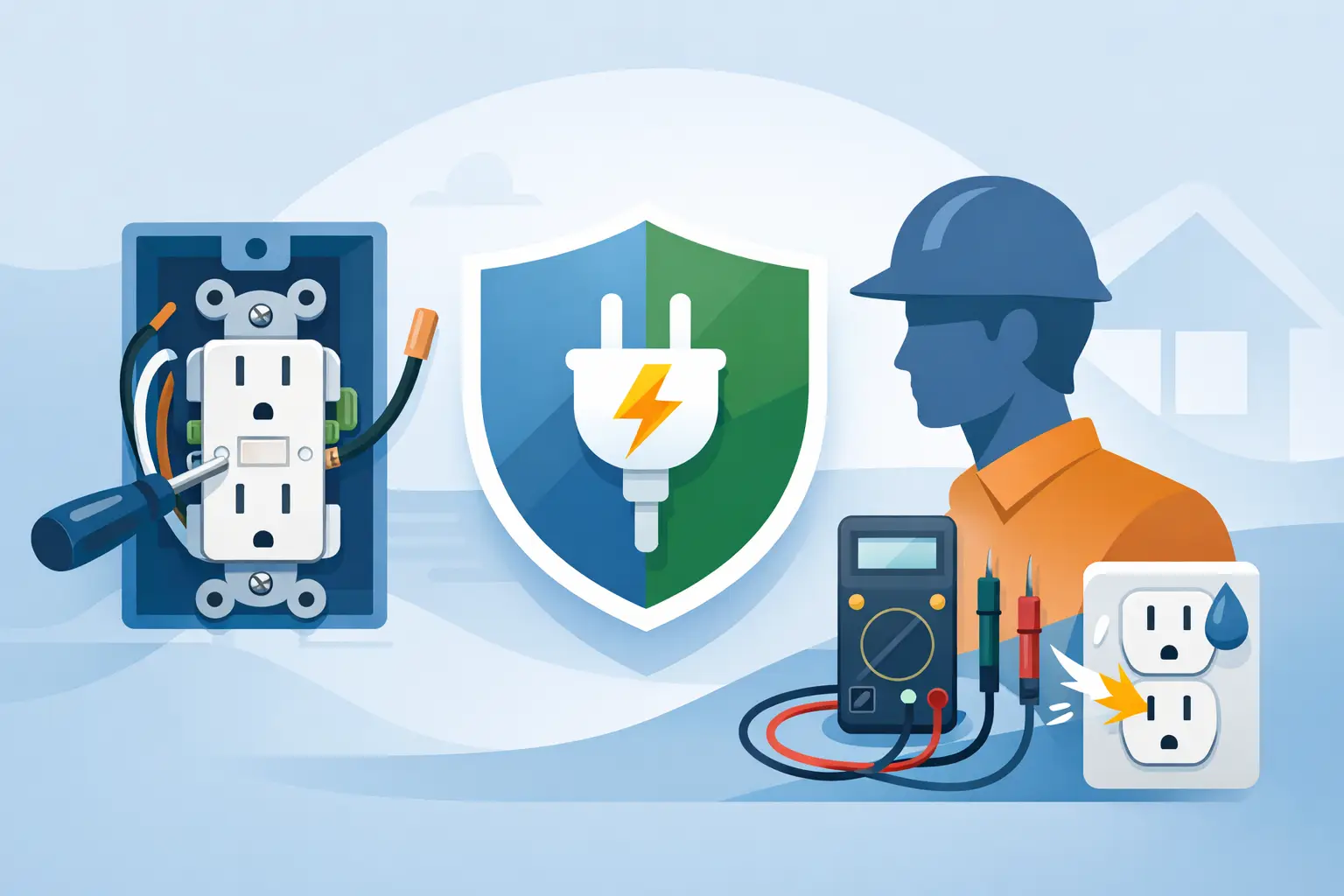
Ground faults are especially common in kitchens, bathrooms, laundry rooms, garages, exterior outlets, and pool or spa equipment areas because moisture increases the chance of electricity finding an unintended path. If a breaker connected to these spaces keeps tripping, the issue may involve a GFCI-protected circuit, damaged device, or unsafe wiring condition.
A weak or failing breaker
Breakers do not last forever. A breaker that has tripped many times over the years can become worn out and start nuisance tripping. That said, a failed breaker should never be assumed without testing. Replacing a breaker without confirming the actual cause can leave a dangerous wiring fault unresolved.
The circuit is undersized for current demand
This is common in properties that have added new equipment without electrical upgrades. A home office, workshop, remodel, or new appliance package may push an existing circuit beyond what it was designed to handle. In commercial and industrial spaces, the same thing happens when equipment loads change but the panel configuration stays the same.
What you can check before calling an electrician
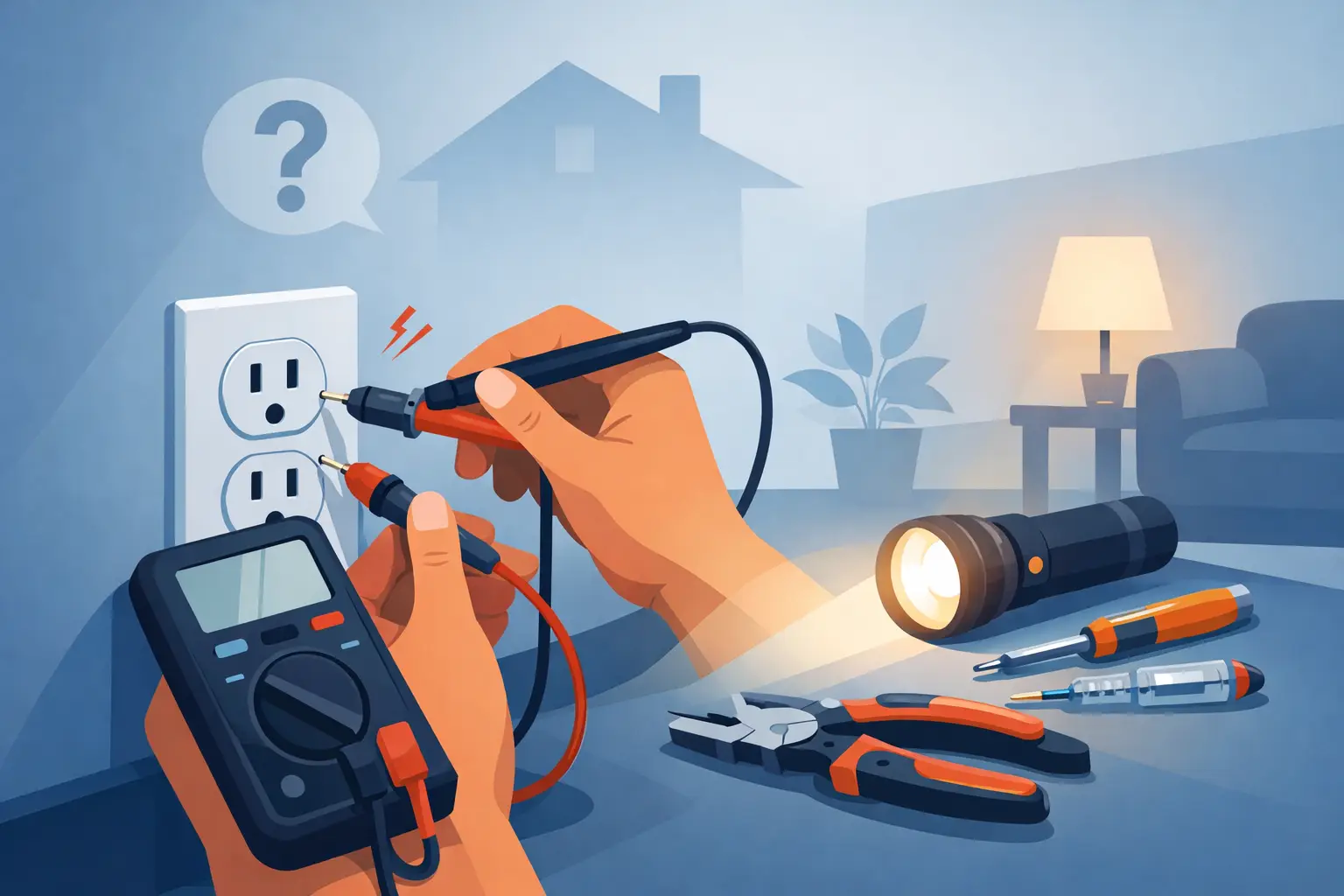
Start by identifying what lost power. Is it one room, one appliance, or a larger section of the building? Then look at the panel and see which breaker has moved to the tripped position. Before resetting it, unplug or turn off the devices on that circuit.
Reset the breaker firmly. Move it fully to off first, then back to on. If it holds, reconnect devices one at a time. If it trips when a specific appliance is turned on, stop using that appliance.
If the breaker trips immediately with everything unplugged, do not keep resetting it. That points to a wiring problem, moisture issue, or breaker failure that needs professional diagnosis.
You should also pay attention to warning signs around the panel and outlets. A burning smell, buzzing sound, warm panel cover, discolored outlet, flickering lights, or scorch marks all raise the urgency. Those are not wait-and-see problems.
When breaker tripping is an emergency
Some electrical issues can wait for a scheduled service call. Others should be treated as urgent. If the breaker will not reset, trips instantly, feels hot, or is tied to critical equipment, the safest choice is to bring in a licensed electrician right away.
This matters even more for businesses and facilities where downtime affects operations. A tripping breaker connected to refrigeration, servers, production equipment, medical devices, security systems, or telecom infrastructure can create safety, compliance, and business continuity concerns. The cost of delay can be much higher than the service call.
For homeowners, urgency increases if the affected circuit serves a kitchen, bathroom, garage, HVAC component, pool equipment, or any area where water and electricity are both present. It also matters if the property has older aluminum wiring, an outdated panel, or a history of electrical repairs.
Why DIY breaker fixes can make things worse
There is a difference between resetting a tripped breaker once and trying to diagnose panel problems without proper training. Electrical systems are not forgiving. Misidentifying a breaker, replacing it with the wrong type, oversizing a breaker, or disturbing live panel components can create shock, arc fault, and fire hazards.
The other issue is misdiagnosis. A recurring trip might look like a bad breaker when the real problem is a failing neutral, damaged conductor, overloaded branch circuit, or hidden fault in a wall. Getting it right requires testing, not guessing.
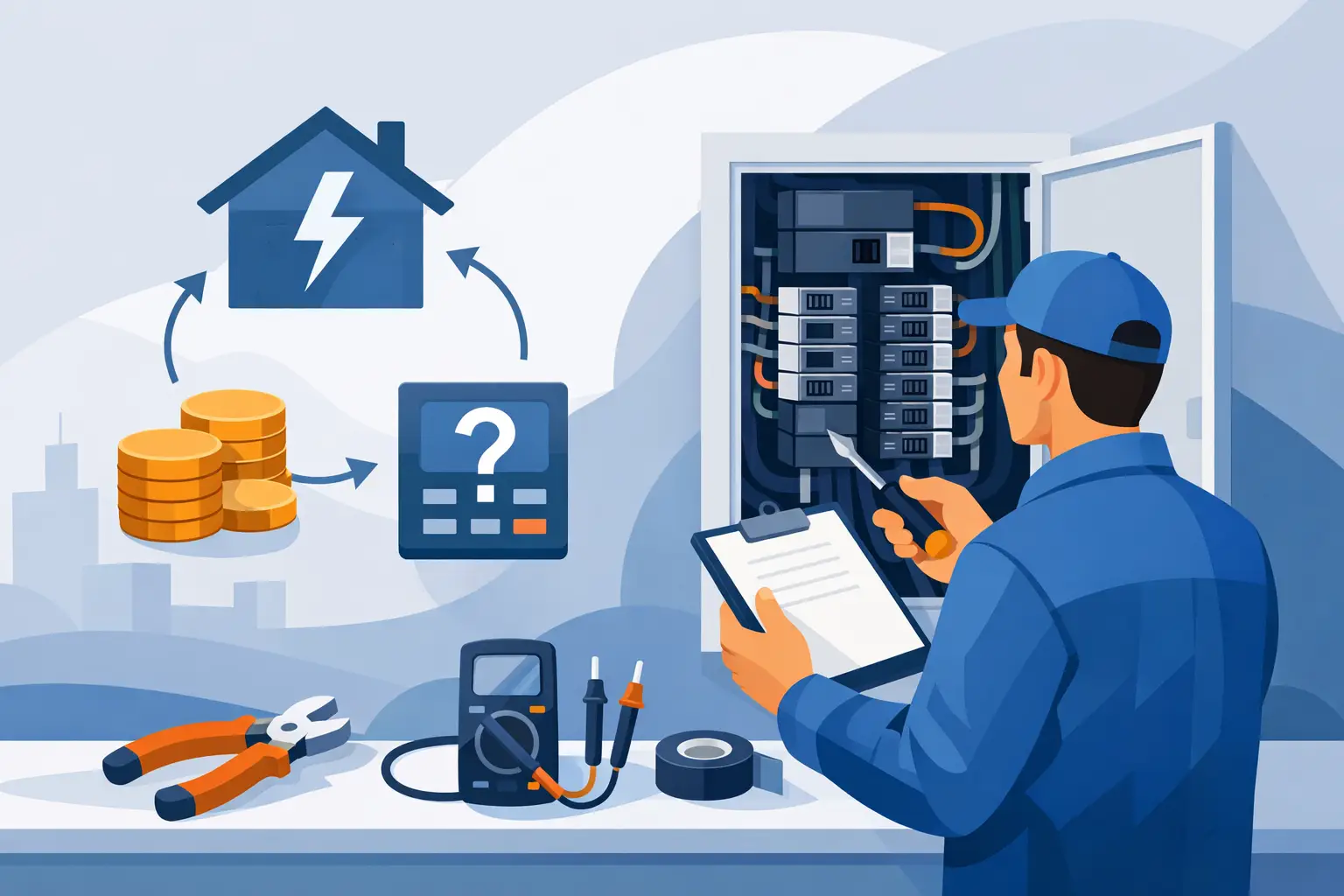
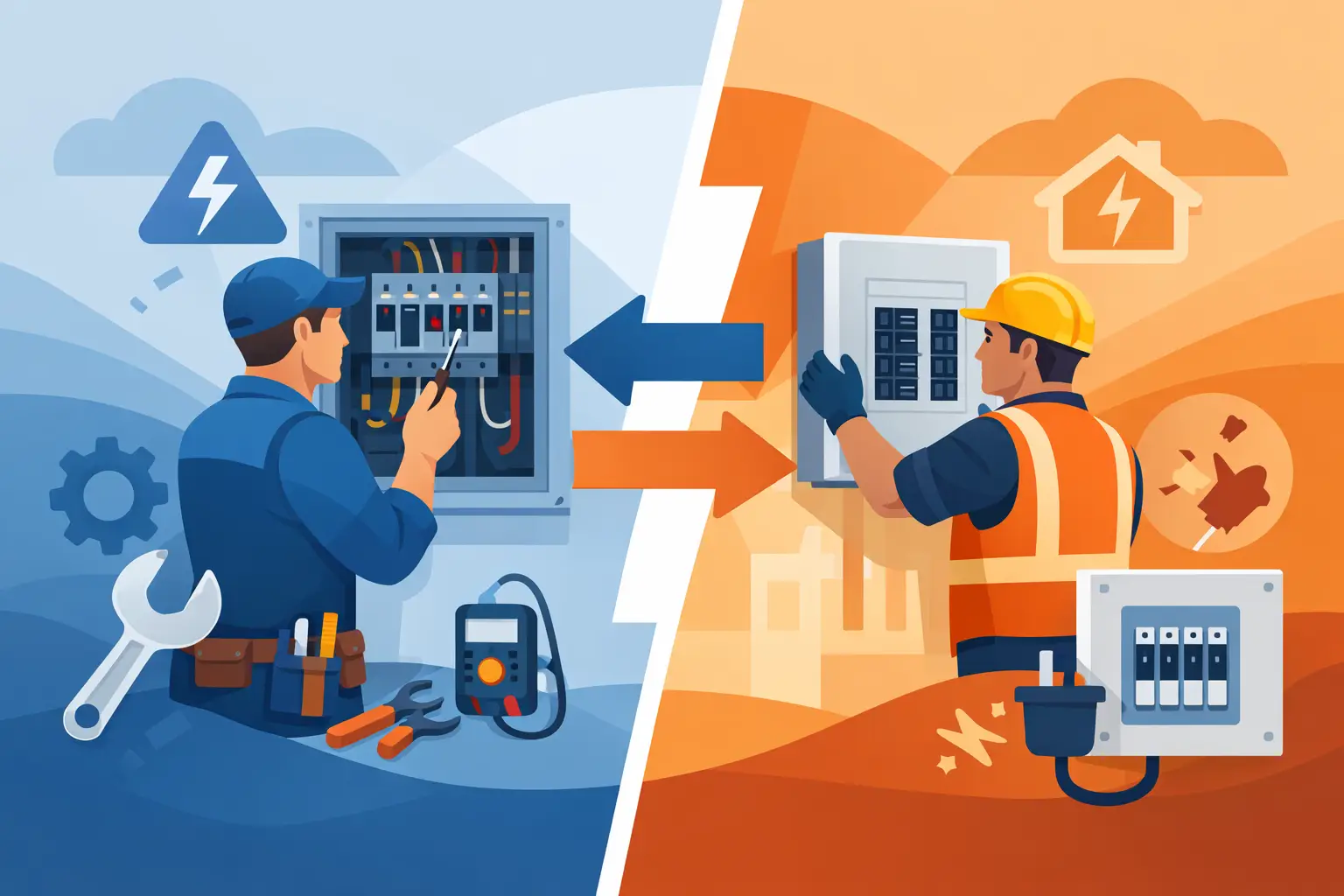
That is why experienced electrical contractors approach the problem methodically. They check the panel, confirm circuit load, inspect devices and connections, test for faults, and determine whether the fix is a repair, a dedicated circuit, a breaker replacement, or a larger panel upgrade.
How electricians fix a breaker that keeps tripping
The right repair depends on the cause. Sometimes the solution is as simple as moving appliances off a crowded circuit or replacing one defective device. Other times it means repairing damaged wiring, replacing a worn breaker, installing GFCI protection, or adding a dedicated circuit for equipment that should not share power with general outlets.
In older homes, repeated tripping can be the early sign that the electrical system has fallen behind current usage. In commercial spaces, it may point to tenant changes, equipment growth, or poor load distribution. In industrial settings, nuisance trips can relate to motors, controls, transformers, or machinery startup demands that need a more technical evaluation.
A qualified electrician should also look at the bigger picture. If one breaker is tripping repeatedly, the question is not only how to stop it. The question is whether the panel, wiring, and connected loads are still appropriate for the property.
What to expect from a professional service call
A reputable electrical contractor should explain the issue clearly, identify whether the condition is a safety risk, and recommend a repair that matches the building’s actual needs. That means no vague answers and no guesswork. Licensing, insurance, code knowledge, and real field experience matter here.
For property owners in Los Angeles, that also means hiring a company that understands the range of systems found across the area – from older residential panels to commercial tenant spaces and more specialized equipment installations. Prime Electric has built its reputation by handling both everyday electrical problems and more complex service work with the same focus on safety, professionalism, and long-term reliability.
If your breaker keeps tripping, do not treat it like a nuisance. Treat it like useful warning from a system designed to protect your property. The sooner the cause is identified, the sooner you can get back to safe, dependable power with fewer surprises later.