Level 2 Charger Review for Los Angeles Homes

[ez-toc]
A Level 2 EV charger can turn an overnight charging routine into a practical part of homeownership. But the charger box itself is only one piece of the decision. A useful level 2 charger review needs to look beyond app ratings and sleek hardware to ask a more important question: can your home safely support the charger you want?
For Los Angeles homeowners, the answer often comes down to panel capacity, garage location, wire-routing distance, permitting requirements, and the condition of the existing electrical system. The right charger should fit your vehicle, driving habits, and property – not simply claim the highest amperage on the shelf.
What a Level 2 Charger Actually Delivers
Level 2 chargers use 240-volt power, similar to an electric dryer or range circuit. Most residential units provide roughly 16 to 48 amps of charging output. Depending on the vehicle and charger settings, that can add approximately 20 to 40 miles of driving range per hour.
That is a substantial improvement over a standard 120-volt outlet, often called Level 1 charging. A Level 1 setup may be enough for someone with a short commute and plenty of time at home. For households with longer daily mileage, multiple EVs, or limited overnight parking time, Level 2 charging is usually the more dependable solution.
Charging speed is not determined by the wall unit alone. Your vehicle has an onboard charger that limits how much AC power it can accept. A 48-amp charger cannot make a vehicle designed to accept 32 amps charge faster than its own limit. This is why comparing charger specifications without considering the vehicle can lead to unnecessary spending.
Level 2 Charger Review: What Matters Most
A charger review should start with electrical compatibility, then move to convenience features. The most expensive unit is not automatically the right unit, and a lower-priced model is not a bargain if it requires replacement after a future vehicle upgrade.
Amperage and Circuit Requirements
The charger’s output should be matched to a correctly sized dedicated circuit. Continuous electrical loads, including EV charging, are generally calculated at 125 percent of the charger’s rated load. For example, a 40-amp charger typically requires a 50-amp circuit. A 48-amp hardwired charger generally requires a 60-amp circuit.
This distinction matters because a charger may be marketed as “48 amp capable,” while a home may only have space and capacity for a 40-amp charging installation. That does not make the installation inadequate. For many drivers, 32- or 40-amp charging easily restores daily driving range overnight at a lower installation cost.
Hardwired chargers are often the best choice for higher-amperage installations. They eliminate the receptacle connection, can support certain higher-output configurations, and offer a clean permanent installation. Plug-in chargers can be a good option when a properly installed outlet already exists and the owner wants flexibility, but the outlet, wiring, breaker, and plug must all be rated for the intended continuous load.
Smart Features That Are Worth Paying For
Wi-Fi connectivity, scheduling, energy monitoring, and utility-rate scheduling can be helpful, especially in areas where time-of-use electricity rates make overnight charging more affordable. A good app should make it easy to set a charging schedule, see charging status, and receive fault notifications.
However, smart features should never outweigh build quality and electrical safety. A charger still needs a reliable enclosure, a properly rated cable, temperature protection, ground-fault protection, and certification by a recognized testing laboratory. If Wi-Fi fails or an app changes, the charger should still perform its basic job safely.
For outdoor installations, look for an enclosure rated for weather exposure and consider where the cable will rest when not in use. Southern California weather is generally forgiving, but direct sun, sprinkler overspray, driveway traffic, and physical damage can shorten the life of poorly placed equipment.
Cable Length and Everyday Usability
Cable length seems minor until the vehicle’s charging port is on the opposite side from the garage wall. Measure the distance from the proposed charger location to the vehicle’s port with enough slack for normal parking variation. Avoid stretching a cable across a walkway or positioning it where a vehicle can roll over it.
A 20- to 25-foot cable works well for many garages, but more length is not always better. Longer cables can be heavier to handle and harder to store neatly. The best location is usually one that allows the cable to reach comfortably without creating a trip hazard or requiring the driver to park with unusual precision.
The Electrical Panel Is the Real Review
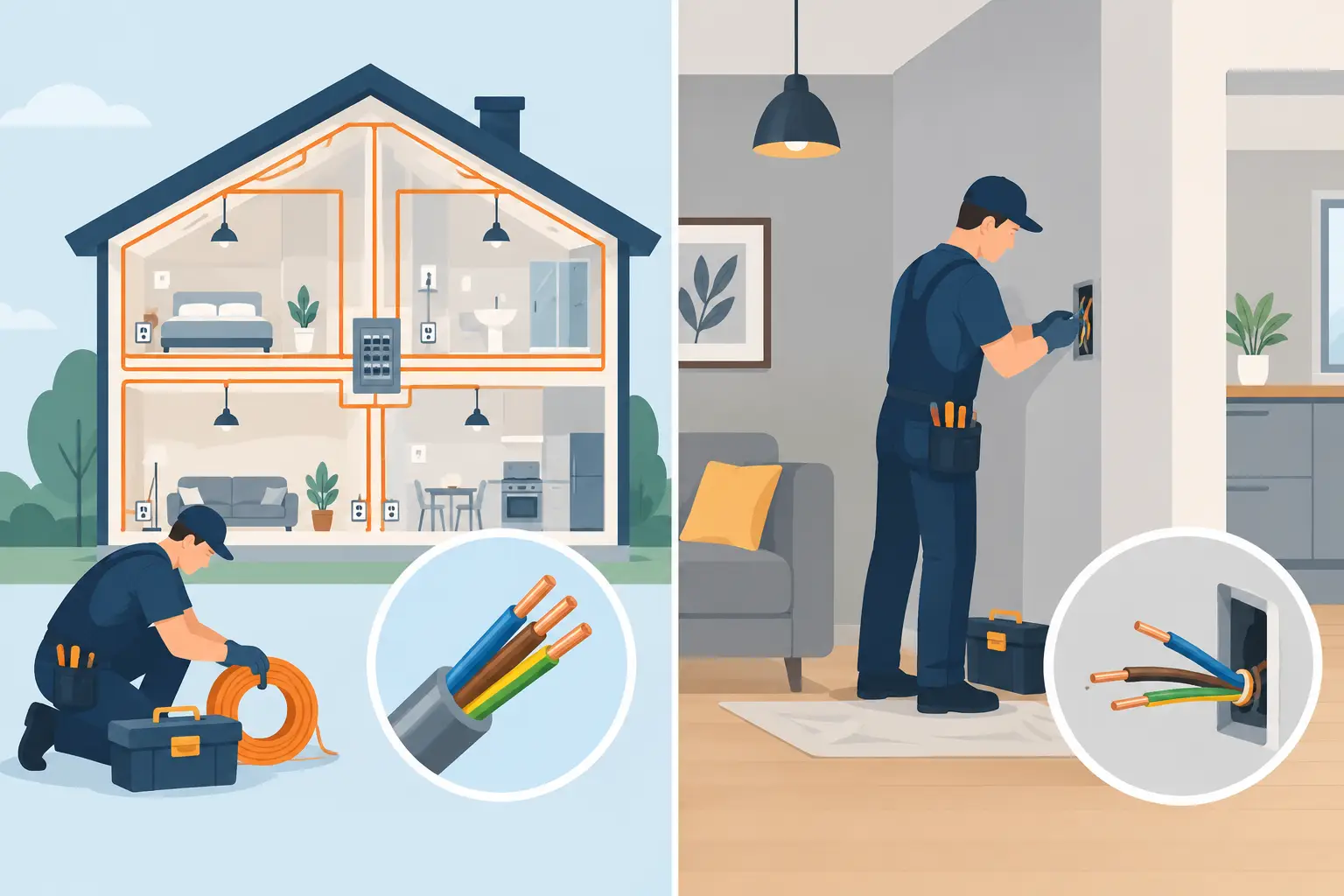
Before selecting a charger, a qualified electrician should evaluate the service panel and perform a load calculation. The panel’s main breaker rating does not tell the complete story. A 200-amp panel may have limited available capacity because of air conditioning, electric heat, pool equipment, dryers, ovens, or other major loads. Conversely, a properly evaluated 100-amp service may support a modest EV charger in some homes.
Panel space is separate from panel capacity. A panel can have available electrical capacity but no physical room for a new double-pole breaker. It may need a panel upgrade, subpanel, approved breaker configuration, or another code-compliant solution. Older panels, damaged equipment, aluminum wiring concerns, or obsolete breakers should be addressed before adding a high-demand continuous load.
This is where online reviews fall short. They can tell you whether an owner likes an app or cable design. They cannot determine whether your home’s wiring, panel, grounding, and service equipment can support the installation safely.
Installation Cost: What Changes the Price
There is no single installation price that fits every Los Angeles property. A charger located a few feet from a modern, adequately sized panel is a very different project from a detached-garage installation requiring a long underground run, drywall access, trenching, service upgrades, or panel replacement.
The biggest cost factors are usually distance from the panel, circuit amperage, accessibility for wiring, permit requirements, charger location, and the condition of existing electrical equipment. Condominiums, apartment properties, and commercial sites may also involve parking assignments, common-area electrical systems, property management approval, metering questions, and future expansion planning.
A detailed estimate should identify the proposed circuit size, wiring method, charger mounting location, permit scope when required, and any work needed at the panel. Be cautious of a quote that focuses only on hanging the charger while skipping the condition of the electrical infrastructure behind it.
Permits, Code Compliance, and Safety
EV charger installations commonly require permits and inspections. Requirements can vary by jurisdiction, but the purpose is straightforward: confirm that the circuit, overcurrent protection, wiring, disconnecting means where applicable, grounding, and equipment installation meet current safety standards.
Permits are especially valuable when a project involves a panel upgrade or new high-amperage circuit. They create accountability and help protect the homeowner during future property transactions, insurance questions, or electrical inspections.
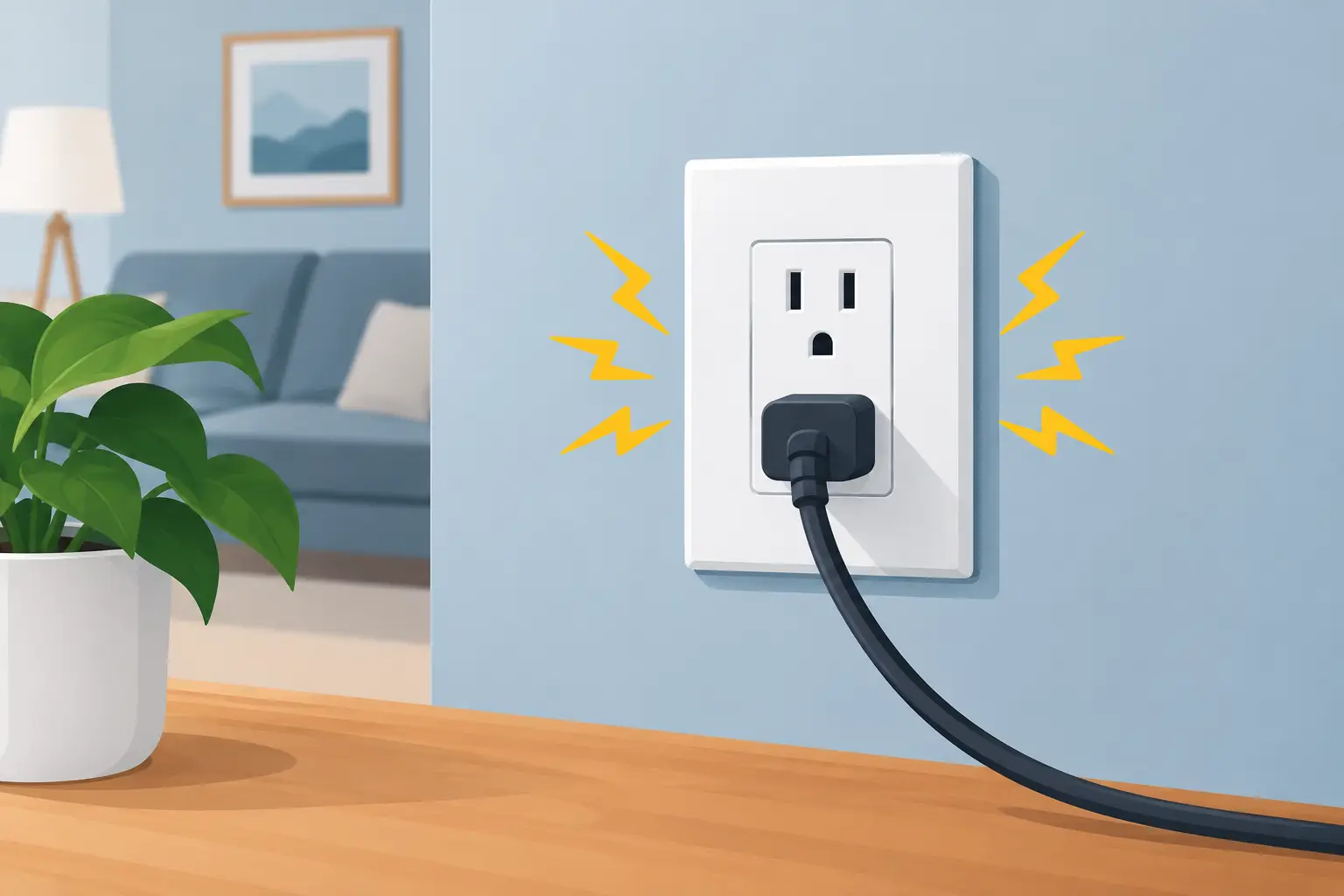
Avoid treating EV charging as a simple extension-cord problem. Standard household outlets are not designed to carry high continuous loads for long periods unless the entire circuit and receptacle installation are properly rated. Heat buildup at a weak connection is a real risk, particularly in older garages or with worn receptacles.
Choosing the Right Charger for Your Situation
For a single EV with typical daily driving, a quality 32- or 40-amp Level 2 charger is often the practical sweet spot. It offers fast overnight charging without necessarily requiring the largest circuit a home can accommodate. A 48-amp hardwired charger may make sense for drivers with high daily mileage, larger battery packs, or a vehicle that can accept the added power.
For a household planning to add a second EV, it may be wise to consider load-sharing chargers or infrastructure sized for future expansion. Load management can allow two chargers to share available capacity instead of forcing an immediate service upgrade. This is particularly useful for older homes and multi-unit properties where electrical capacity is valuable.
Commercial and property-management decisions require a broader view. User access controls, billing capabilities, equipment durability, parking layout, network reliability, and future charger additions can matter more than the difference between one residential charger model and another.
A Better Way to Buy and Install
Start with your driving needs, then choose a charger output that your vehicle can use and your electrical system can support. Do not assume that a bigger charger is always better, and do not assume an existing outlet is suitable for continuous EV charging.
Prime Electric helps Los Angeles property owners evaluate panel capacity, install dedicated EV circuits, complete code-compliant charger installations, and identify upgrade needs before they become surprises. A professional evaluation gives you a charger that works as expected – and an electrical system prepared to support it for years.
The best Level 2 charger is the one that charges your vehicle reliably every night, fits the way you park, and is backed by safe wiring and qualified installation.