Copper Wiring vs Aluminum Wiring
[ez-toc]
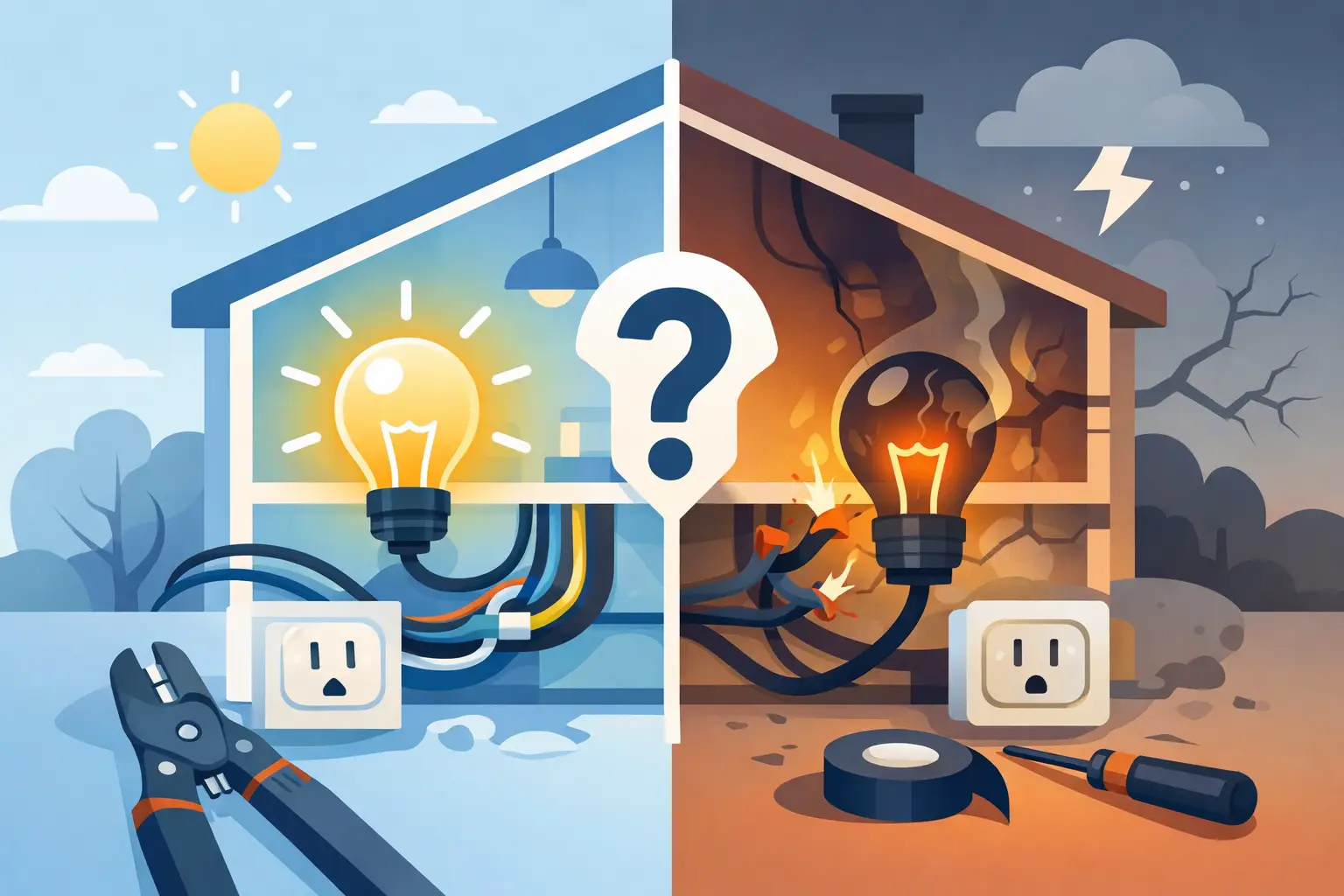
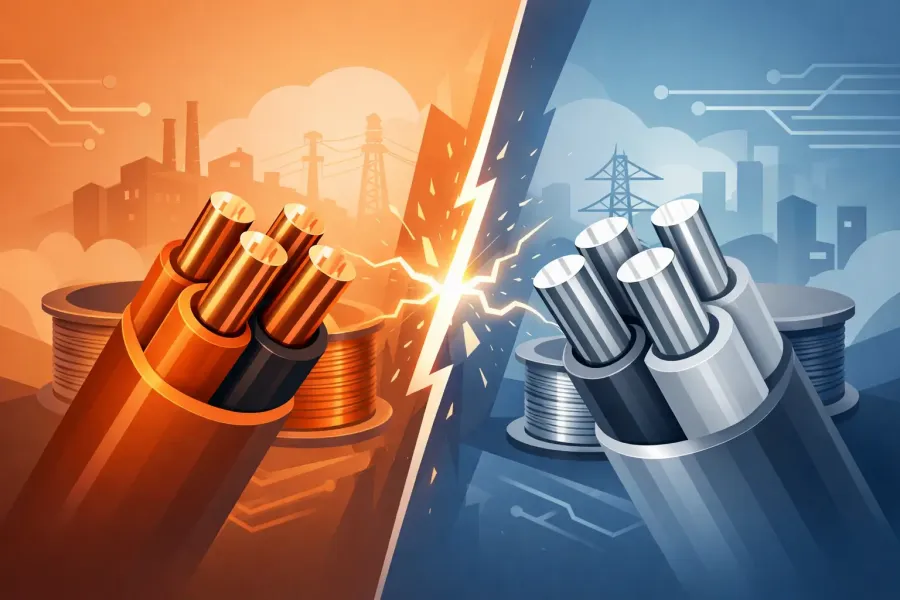
If you are weighing copper wiring vs aluminum wiring, the real question is not which metal sounds better on paper. It is which one makes sense for your building, your electrical load, your budget, and the age of the system already in place. For homeowners and property managers in Los Angeles, that decision often comes up during rewiring, panel upgrades, renovations, or when an inspection turns up older branch circuits.
Copper Wiring vs Aluminum Wiring: What Actually Changes?
Copper and aluminum both conduct electricity, but they do not behave the same way once they are installed inside a real electrical system. That difference matters at terminals, inside panels, at outlets and switches, and anywhere heat, expansion, and connection quality affect long-term safety.
Copper is generally the more durable and stable conductor for branch wiring. It has higher conductivity per size, better tensile strength, and a long track record in residential and commercial systems. Aluminum is lighter and usually less expensive, which is why it has been used for certain applications, especially larger service entrance conductors and feeders.
The problem is that people often talk about aluminum wiring as if all uses are equally risky. They are not. Aluminum used in older branch circuit wiring has a different risk profile than modern aluminum conductors used correctly for feeders, service conductors, or other approved applications with the right terminations.
Why Copper Is Often Preferred
Copper has a reputation for reliability because it expands and contracts less than aluminum under load and heat. That makes it less likely to loosen at connections over time. Loose electrical connections create resistance, resistance creates heat, and heat is where many wiring problems begin.
Copper is also less prone to oxidation issues that interfere with conductivity at terminations. It is strong, resists damage better during installation, and works well across a wide range of residential, commercial, and light industrial applications. For standard branch circuits in homes and many tenant spaces, copper remains the material many electricians and inspectors are most comfortable recommending.
In practical terms, copper is often the better long-term choice when safety, stability, and reduced maintenance matter more than upfront material savings. If you are rewiring an older home, replacing damaged circuits, or upgrading wiring during a remodel, copper is frequently the cleaner path.
Where Aluminum Wiring Still Makes Sense
Aluminum is not automatically wrong. In the right application, installed to current code with proper connectors and devices rated for aluminum, it can be a safe and cost-effective option.
This is especially true for larger conductors where the lower cost and lighter weight of aluminum can be a major advantage. Service entrance wiring, feeders to subpanels, and some commercial or industrial power distribution setups may use aluminum successfully for years. On bigger jobs, the material savings can be significant, and the reduced weight can help with handling and installation.
What matters is matching the conductor to the job. Aluminum requires proper torque at terminations, compatible lugs and devices, and careful workmanship. It leaves less room for shortcuts. That is one reason professional installation matters so much.
The Safety Question Homeowners Usually Mean
When a homeowner asks whether copper or aluminum is safer, they are usually asking about older aluminum branch wiring found in homes built or renovated during certain periods, especially in the 1960s and 1970s. That concern is valid.
Older aluminum branch circuit wiring became known for issues related to connection failures. Aluminum expands more than copper when it heats up, then contracts when it cools. Over time, that movement can loosen terminations. It also oxidizes in a way that can increase resistance if connections are not properly prepared and maintained. Combined with devices not designed for aluminum conductors, this created a known hazard in some older systems.
That does not mean every building with aluminum wiring is unsafe by default. It means the system needs to be evaluated carefully. The condition of the wiring, the age of the installation, the types of devices connected to it, prior repair history, and whether approved remediation has been done all affect the answer.
If a property has older aluminum branch circuits, the right next step is a professional inspection, not guesswork. In many cases, electricians recommend targeted repairs, approved connector methods, device replacement, or full rewiring depending on the condition of the system and the property owner’s goals.
Cost Differences and What They Really Mean
Aluminum usually costs less than copper as a raw material. On larger projects, that can reduce material costs in a meaningful way. But material price is only one part of the equation.
Copper may cost more upfront, yet it can simplify installation choices, reduce concerns about device compatibility, and offer greater confidence for long-term branch circuit performance. Aluminum may lower costs in feeder or service applications, but it also requires correct terminations and products specifically listed for that use.
For many residential jobs, the labor, permit, access, drywall repair, and scope of electrical upgrades matter more to the final invoice than conductor price alone. That is why the cheapest wire on paper is not always the best value on the project.
Copper Wiring vs Aluminum Wiring in Older Homes
In Los Angeles neighborhoods with older housing stock, this issue often comes up during renovations, insurance questions, home sales, or after repeated electrical problems. Flickering lights, warm outlets, tripping breakers, and dead circuits do not always mean aluminum wiring is present, but older wiring systems should never be ignored.
If a home has aluminum branch wiring, owners usually have three broad options depending on what an electrician finds. They may monitor and maintain a system that is currently stable but needs documented evaluation. They may perform approved repairs or remediation at connection points. Or they may replace the aluminum branch circuits entirely with copper during a larger upgrade.
The right choice depends on condition, budget, future plans, and risk tolerance. A homeowner planning to stay long term may choose rewiring for peace of mind. A property manager may need a practical repair path that addresses safety and tenant concerns without opening every wall immediately. A buyer in escrow may need a licensed opinion fast so the transaction can move forward with clear facts.
Commercial and Industrial Considerations
For commercial buildings and industrial facilities, the answer is rarely one-size-fits-all. Larger electrical systems often use aluminum in feeders and service conductors because the economics are different at scale. At the same time, sensitive equipment, high-demand loads, and uptime concerns make connection quality non-negotiable.
In those environments, conductor choice has to align with load calculations, equipment ratings, environmental conditions, and maintenance expectations. A light commercial tenant improvement may favor copper in many circuits for consistency and ease of coordination. A larger distribution setup may use aluminum where it is fully appropriate and cost-efficient.
This is where experienced electrical planning matters. The best material choice is the one that fits the actual use case, meets code, and supports reliable operation over time.
When Replacement Is the Better Call
Sometimes the question is not copper wiring vs aluminum wiring for a new project. It is whether an aging system has reached the point where patchwork repairs no longer make sense.
If a property has repeated overheating issues, damaged terminations, outdated devices, overloaded circuits, or a panel upgrade already planned, replacing affected wiring may be the more responsible move. That is especially true when electrical demand has grown far beyond what the original system was built to handle.
An honest electrician should not push full rewiring when a safe repair is enough. But they also should not minimize warning signs just to keep the estimate small. The right recommendation balances safety, code compliance, practicality, and long-term cost.
What to Ask Before You Decide
Before choosing a path, ask what type of wiring is actually present, where it is located, whether the devices and terminations are compatible, and whether there are visible signs of heat damage or deterioration. Ask whether remediation is appropriate or whether replacement is the safer investment. If the project involves a panel upgrade, remodel, EV charger, new equipment, or expanded load, ask how that affects the wiring recommendation.
Those questions matter more than broad internet advice. Electrical systems are judged in the field, not in theory.
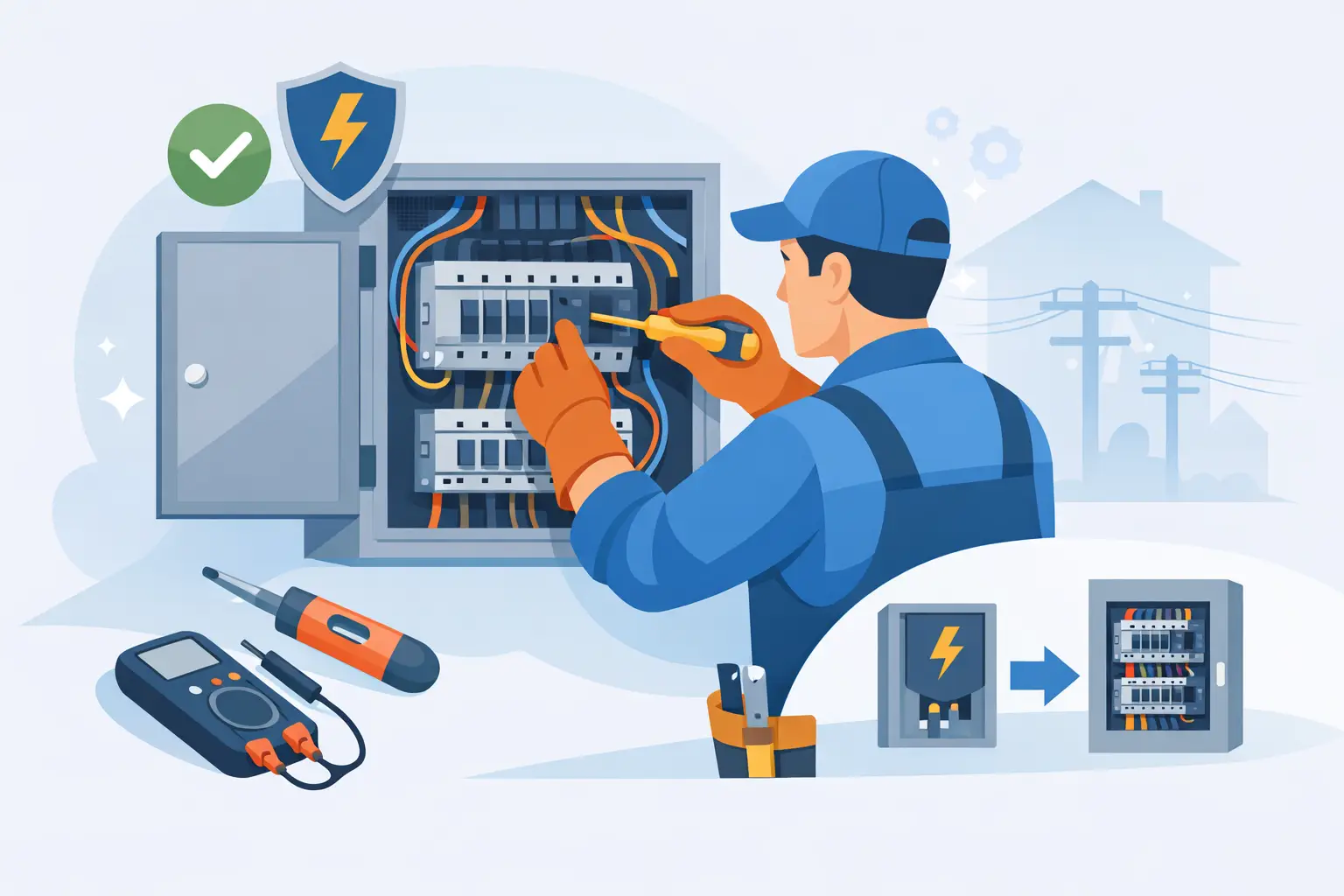
A licensed, insured electrician with real experience in residential, commercial, and industrial work can tell you whether you are looking at a manageable repair, a strategic upgrade, or a system that should be replaced before it creates a bigger problem. That kind of clarity is what property owners need most.
At Prime Electric, that is the standard: straightforward answers, clean professional work, and recommendations based on safety and long-term reliability, not pressure. If you are dealing with older wiring, planning an upgrade, or trying to make sense of an inspection report, the best next step is a qualified evaluation so you can move forward with confidence.