Home Electrical Safety Guide for Los Angeles Homes
[ez-toc]
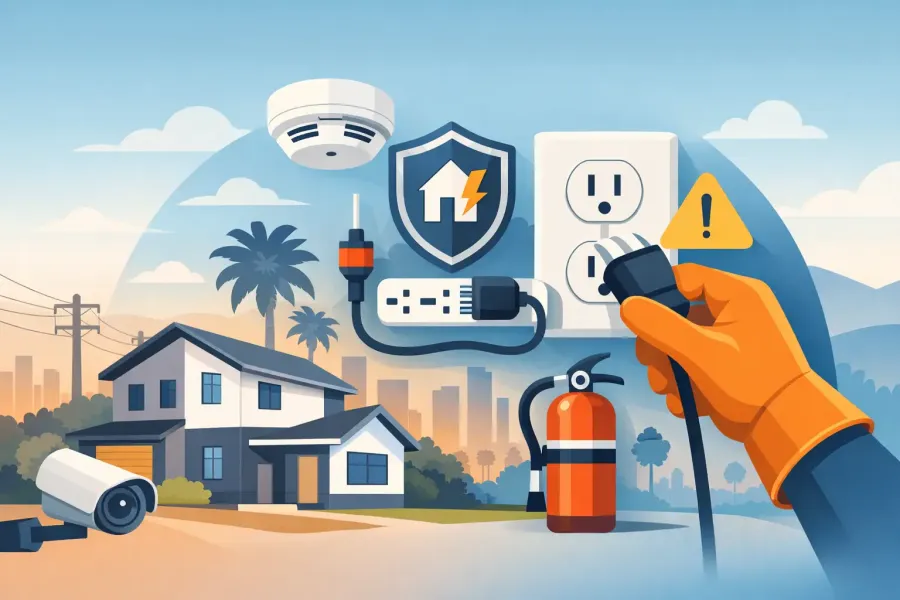
A breaker that trips once after a hair dryer and space heater run together may simply be doing its job. A breaker that trips repeatedly, an outlet that feels warm, or lights that flicker without explanation is different. This home electrical safety guide helps Los Angeles homeowners recognize everyday risks early, take sensible precautions, and know when a licensed electrician should take over.
Start With the Electrical Warning Signs You Can See
Most serious electrical problems give homeowners some notice. The warning may be subtle at first, but ignoring it can lead to damaged wiring, equipment failure, shock hazards, or fire risk. Electrical systems should operate quietly and consistently. If something looks, smells, sounds, or feels unusual, treat it as a reason to investigate.
Watch for these signs, especially in older homes, remodeled properties, rental units, and houses with growing power demands:
- Breakers that trip often or fuses that blow repeatedly
- Outlets, switches, cover plates, or plugs that feel warm or look discolored
- Buzzing, crackling, sparking, or a persistent burning odor near electrical equipment
- Lights that dim, flicker, or brighten when major appliances start
- Two-prong outlets, loose receptacles, damaged cords, or extension cords used as permanent wiring
Do not reset a tripped breaker over and over in hopes that it will hold. A breaker trips to interrupt power when it detects an overload, short circuit, or ground fault. Reset it once after unplugging the devices on that circuit. If it trips again, leave it off and arrange for service.
A burning smell, smoke, visible sparking, or a panel that feels unusually hot calls for more immediate action. If it is safe to do so, turn off power at the main breaker, keep people away from the affected area, and call emergency services if there is fire or active smoke. Do not touch damaged equipment or use water on an electrical fire.
Keep Water and Electricity Properly Separated
Kitchens, bathrooms, laundry rooms, garages, outdoor areas, pools, and spas all require added protection because water creates a direct path for electrical current. Ground-fault circuit interrupter outlets, commonly called GFCIs, are designed to shut off power quickly when they sense an imbalance that may indicate current is traveling somewhere it should not.
A GFCI outlet usually has Test and Reset buttons. Testing it monthly is a simple habit: press Test to confirm the outlet loses power, then press Reset to restore it. If it will not reset, trips repeatedly, or controls an area where it should not be installed, have the circuit evaluated. A GFCI protects people, but it does not solve worn wiring, moisture intrusion, or an overloaded circuit.
Keep countertop appliances away from sinks and never use a damaged cord near water. Outdoor receptacles should have weather-resistant covers, and pool or spa wiring should never be treated as a do-it-yourself project. These systems have specialized grounding, bonding, and equipment requirements that need professional installation and inspection.
Use Outlets, Cords, and Power Strips the Right Way
Many household electrical hazards begin with a simple mismatch between a home’s available circuits and the way people use them. Plugging too many high-wattage devices into one outlet or power strip can overload wiring even when the strip has several open sockets.
Space heaters, portable air conditioners, microwaves, hair tools, coffee makers, toaster ovens, and many power tools draw substantial current. These appliances generally need a properly rated wall outlet, not an extension cord or a crowded power strip. A power strip can be appropriate for low-demand electronics such as a television, router, or computer setup, provided it is listed for the intended use and not overloaded.
Never connect one power strip or extension cord to another. This practice, sometimes called daisy-chaining, is a common source of overheated cords and overloaded connections. Replace cords that are cracked, flattened, frayed, or loose at the plug. Run cords where they will not be pinched by furniture, trapped under rugs, or damaged by doors.
If your household routinely depends on extension cords because outlets are inconveniently located, the practical fix is usually to add properly installed receptacles. That is safer and more useful than treating temporary wiring as a permanent solution.
Give Your Electrical Panel the Attention It Deserves
The electrical panel is the control center of your home. It should remain accessible, clearly labeled, dry, and free of storage piled in front of it. Everyone in the household should know where the panel is located and how to turn off the main breaker in an emergency.
Labeling matters. A clear panel directory saves time when a circuit trips and helps an electrician diagnose problems efficiently. Labels such as “lights” or “bedrooms” are often too vague. Identify the rooms, major appliances, outdoor equipment, and dedicated circuits as accurately as possible.
Do not remove the panel cover or attempt to replace breakers unless you are qualified to perform that work. Even with the main breaker turned off, parts of the panel can remain energized. Breaker replacements, panel upgrades, corrosion concerns, loose connections, and signs of overheating require a licensed electrician.
Panel capacity also deserves a realistic look. A home built decades ago may have been designed before central air conditioning, home offices, large entertainment systems, EV chargers, and modern kitchen appliances became common. Frequent tripping is not automatically proof that you need a larger panel. It may point to a single failing appliance, a damaged circuit, or too much demand in one area. A professional evaluation identifies the actual cause before recommending an upgrade.
Protect Electronics Without Assuming a Power Strip Is Enough
Los Angeles homes rely on sensitive electronics for work, security, entertainment, and connected appliances. Plug-in surge strips can provide an extra layer of protection at individual devices, but they are not a substitute for safe wiring or a properly functioning electrical system.
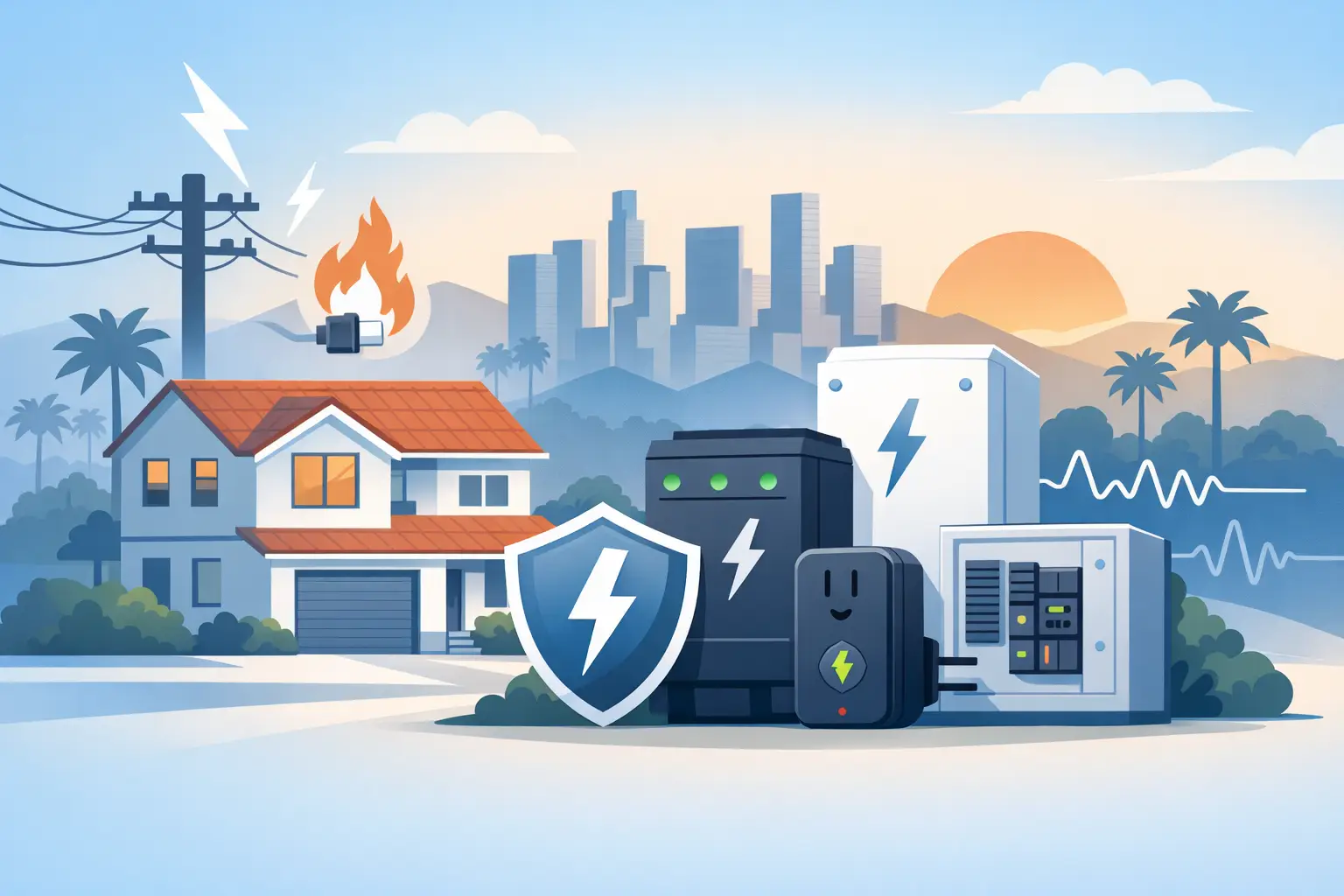
Whole-home surge protection is installed at or near the electrical panel and can help reduce damage from voltage spikes affecting multiple circuits. It is often worth considering when upgrading a panel, adding an EV charger, renovating, or protecting valuable equipment. The right approach depends on the home’s service equipment, grounding condition, and the electronics you want to protect.
If electronics repeatedly fail, lights flicker, or appliances behave unpredictably, do not assume the issue is a surge. Loose connections, neutral problems, circuit overloads, and utility-related fluctuations can produce similar symptoms. Diagnosis comes first.
Make Electrical Safety Part of Remodeling and Daily Living
Renovations can uncover hidden issues, particularly in older Los Angeles properties. Wiring inside walls may be outdated, improperly altered, or unable to support added loads. Before installing new lighting, adding a bathroom, updating a kitchen, finishing a garage, or converting space for a home office, plan the electrical work as part of the project rather than as an afterthought.
Permits and code-compliant work are not just paperwork. They help ensure that wiring methods, circuit protection, grounding, outlet placement, and equipment ratings are appropriate for the use of the space. This becomes especially relevant when selling, leasing, insuring, or maintaining a property.
Homeowners can safely handle simple habits such as keeping electrical equipment dry, testing GFCIs, replacing damaged appliance cords, and avoiding overloaded outlets. Work inside electrical boxes, panels, ceilings, walls, and outdoor circuits belongs to a qualified professional. The trade-off is straightforward: a quick do-it-yourself repair may appear to save money, but hidden wiring mistakes can create a much larger safety and repair problem later.
When to Call a Licensed Electrician
Call for professional electrical service when breakers trip repeatedly, outlets are warm, wiring is exposed, GFCIs will not reset, a panel lacks capacity, or your home needs new circuits for an appliance, remodel, EV charger, pool, spa, or outdoor equipment. It is also wise to schedule an inspection after water damage, rodent activity, a major renovation, or the purchase of an older home with an unclear electrical history.
For Los Angeles property owners, licensed and insured service provides more than a repair. It provides a clear assessment of the problem, work performed to applicable standards, and accountability if future questions arise. Prime Electric brings more than 40 years of local electrical experience to residential and commercial service calls, with workmanship backed by a warranty.
A safe home does not require constant worry. It requires paying attention when the electrical system asks for help, avoiding temporary fixes that become permanent, and bringing in experienced professionals before a small warning becomes a dangerous failure.