Best Home Surge Protection Devices for LA Homes

A single power surge can take out a refrigerator control board, smart TV, garage door opener, modem, or HVAC equipment long before it looks like a dramatic electrical event. For Los Angeles homeowners, the best home surge protection devices are usually not one plug-in strip under a desk. They are a layered system that starts at the electrical panel and protects sensitive electronics where they are used.
Surges can come from lightning, utility switching, nearby power disruptions, and large equipment cycling on and off inside the home. Air conditioners, pool pumps, refrigerators, and EV chargers can all contribute to smaller, repeated voltage spikes. Those smaller events may not cause an immediate failure, but they can shorten the life of circuit boards and connected equipment over time.
The Best Home Surge Protection Devices Start at the Panel
For most homes, a whole-house surge protective device, often called an SPD, is the most effective first line of defense. A licensed electrician installs this device at or near the main electrical panel. It diverts excess voltage away from the home’s branch circuits before the surge reaches outlets and appliances.
A panel-mounted device protects far more than a power strip can. It helps cover hardwired equipment such as central air conditioning, furnaces, garage door openers, built-in appliances, lighting controls, and smart-home devices. It also gives every outlet in the home a baseline level of protection.
The right unit depends on the panel manufacturer, available breaker space, service capacity, grounding condition, and the electrical load in the home. A qualified electrician should confirm compatibility rather than selecting a device based on price or a product photo.
Type 1 and Type 2 Surge Protective Devices
Type 1 and Type 2 SPDs are the primary choices for residential panel protection. Type 1 units can be installed on the line side of the main service disconnect or on the load side, depending on the equipment and installation requirements. Type 2 units are installed on the load side of the service disconnect, typically at the main panel or a subpanel.
In most existing homes, a Type 2 device installed at the main panel is the practical solution. Homes with detached garages, pool equipment panels, guest units, or long feeder runs may benefit from additional protection at subpanels. The goal is to reduce surge exposure at the main entry point and again closer to vulnerable equipment.
What to Look for in a Whole-House Surge Protector
Not every surge protector delivers the same level of protection. The label and installation details matter more than marketing language on the box.
Look for a device listed to UL 1449, the safety standard used for surge protective devices. This listing indicates that the unit has been tested for surge protection performance and safe failure behavior. A device should also have a clear status indicator, usually LEDs, so a homeowner or property manager can tell whether protection is still active.
A lower voltage protection rating, or VPR, generally means the device allows less excess voltage through to the electrical system during testing. That is useful, but it is not the only number to compare. Surge current capacity, measured in kiloamps or kA, indicates how much surge energy the unit is designed to handle. For a main panel, many electricians recommend considering a unit with at least 40 kA per phase, with 80 kA or higher often making sense for homes with expensive electronics, solar equipment, EV charging, pool systems, or frequent utility disturbances.
Short lead length also matters. The wires connecting the SPD to the panel should be as short and straight as practical. Long or sharply bent leads reduce performance during a fast surge event. This is one reason professional installation is worth considering even when the device itself appears simple.
Reliable Whole-House Device Options
The best choice must match the electrical panel and installation conditions, but several established product lines are commonly used in residential applications.
The Eaton CHSPT2ULTRA is a widely recognized Type 2 option for compatible Eaton and Cutler-Hammer panels. It offers high surge capacity and visual status indication, making it a solid fit for homeowners who want panel-level protection without replacing existing equipment.
The Siemens FS140 is another high-capacity whole-house SPD that may be appropriate for compatible Siemens installations. It is often considered for homes with substantial electrical loads, including larger HVAC systems, workshop equipment, or EV charging.
Square D’s HEPD series is commonly selected for Square D panels and is available in different surge-capacity ratings. Matching a Square D protector to a Square D panel can simplify installation, though compatibility should still be verified by a licensed electrician.
Leviton also offers panel-mounted surge protection solutions, including options designed for main panels and subpanels. These can be a practical choice where the panel configuration and circuit layout support the installation.
No brand is automatically “best” for every property. A high-capacity protector that does not fit the panel correctly, lacks adequate breaker space, or is connected with poor lead routing will not provide the protection a properly selected and installed device can offer.
Do You Still Need Plug-In Surge Protectors?
Yes. Whole-house protection and point-of-use protection serve different roles. The panel device handles larger incoming surges and reduces the surge energy that reaches the home. A quality plug-in protector provides a second layer for sensitive electronics, especially equipment with microprocessors or data connections.
Use point-of-use surge protection for home office setups, entertainment systems, network equipment, gaming consoles, and smart-home hubs. For these locations, choose a UL-listed device with adequate outlet spacing, a clearly labeled protection-status light, and enough joule rating for the equipment being protected. A low-cost strip without a protection indicator may function as an outlet extender but offer little confidence after a surge.
For cable, Ethernet, phone, or coax-connected equipment, electrical protection alone may not be enough. Surges can enter through communications lines as well as power conductors. Use rated protection designed for those connections when applicable, and make sure all systems are properly grounded and bonded.
Protecting Major Appliances and HVAC Equipment
Some of the costliest surge-related repairs involve appliances and HVAC systems. Modern air conditioners, heat pumps, furnaces, refrigerators, washers, dryers, and dishwashers often contain electronic control boards that are more sensitive than older mechanical components.
A whole-house SPD is the foundation, but dedicated protection can make sense for certain high-value equipment. HVAC surge protectors are installed at the outdoor condenser or disconnect, helping protect the compressor controls and electronics. This is especially worth discussing for newer variable-speed systems, which can have expensive circuit boards.
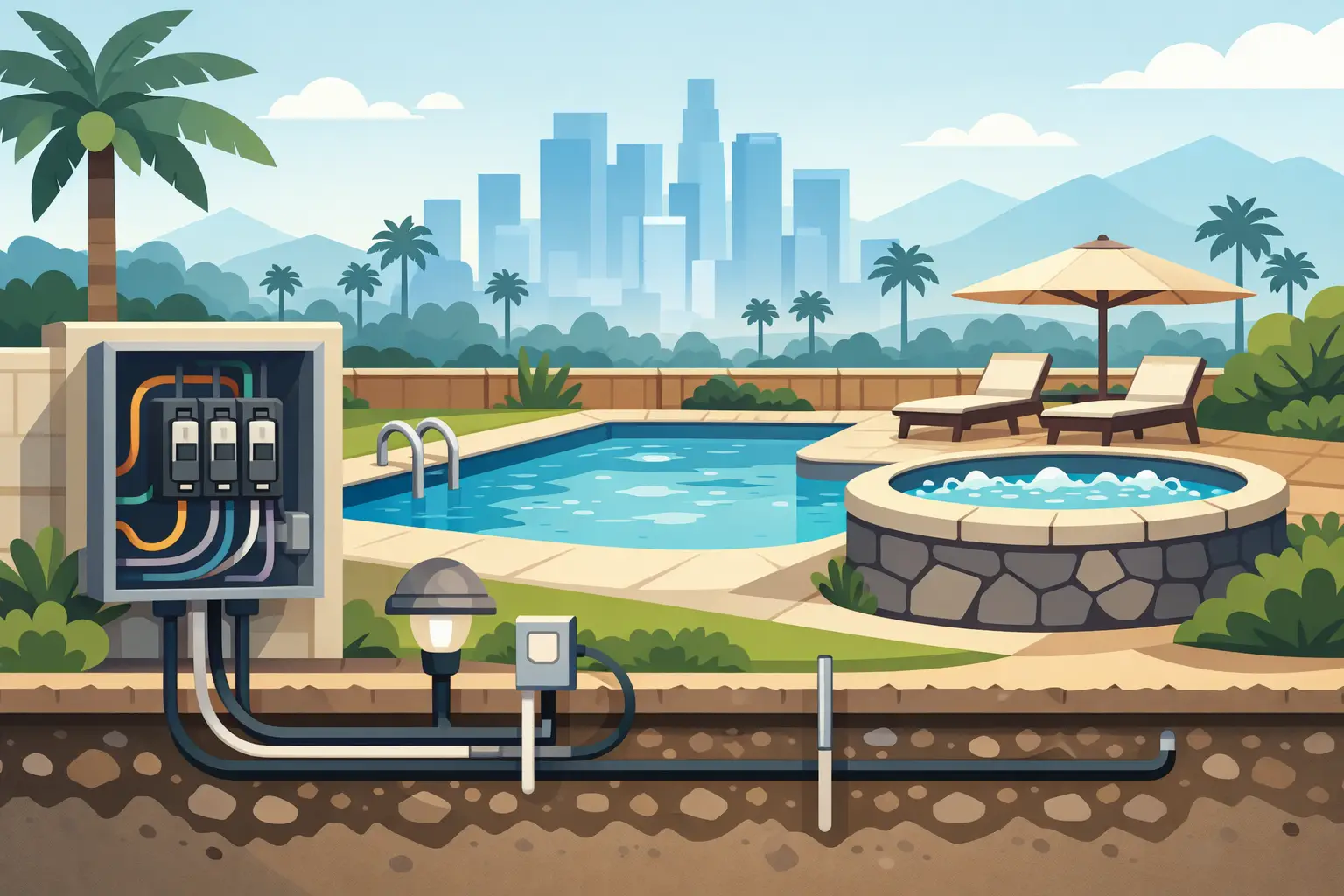
The same logic can apply to pool and spa equipment. Pumps, automation controls, lighting transformers, and heaters are often exposed to outdoor conditions and frequent motor starts. A property with a pool panel may benefit from protection installed directly at that panel, not only at the home’s main service.
Installation Is Not a DIY Electrical Project
Installing a whole-house surge protector requires work inside an energized electrical panel or service equipment. Even after a main breaker is turned off, portions of some panels may remain live. Incorrect installation can create shock hazards, damage the panel, void equipment warranties, or leave the device unable to protect the home as intended.
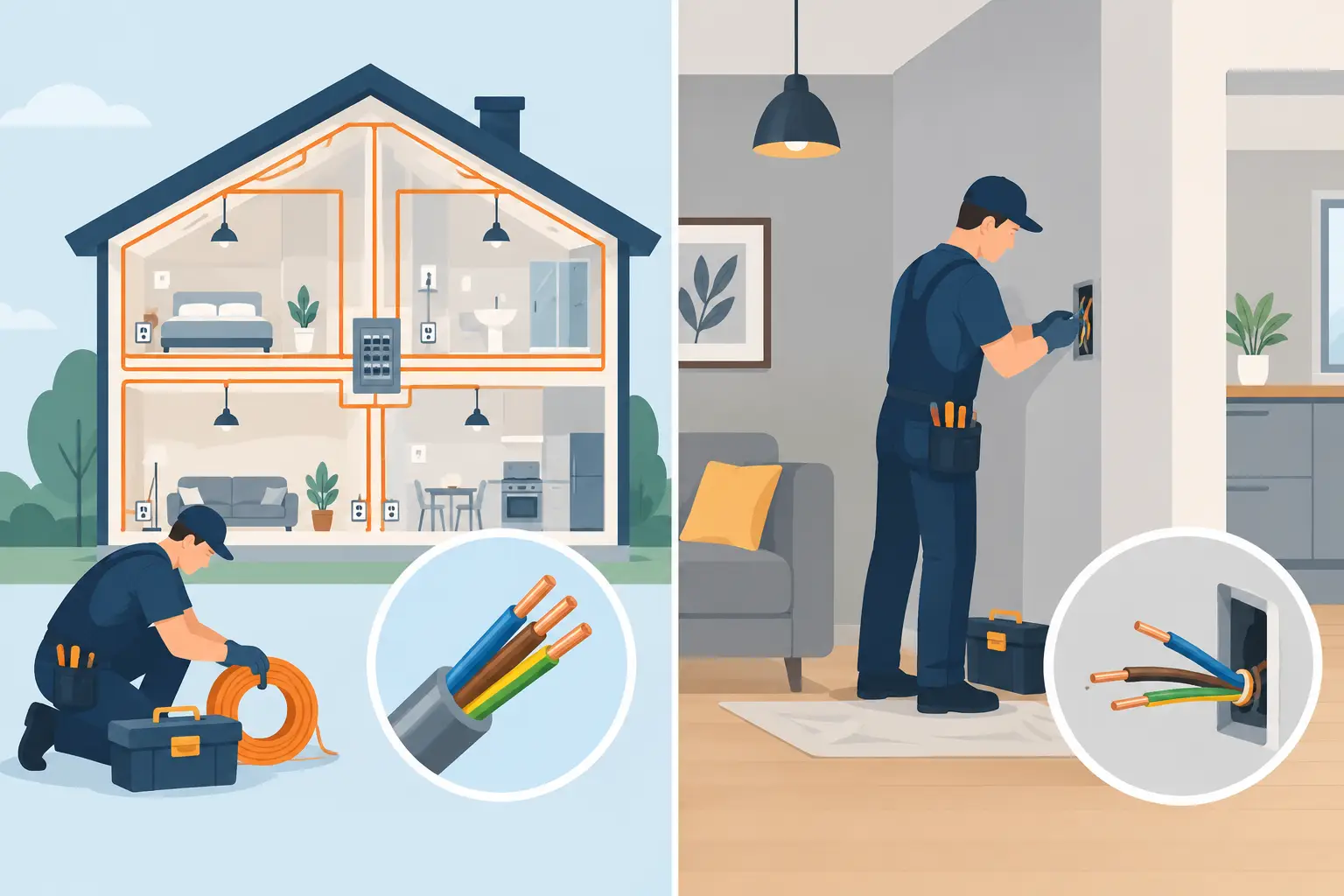
A licensed, insured electrician can inspect the panel, verify grounding and bonding, identify available breaker capacity, and recommend the right device rating for the property. The electrician can also spot related concerns such as an outdated panel, loose connections, corroded equipment, or a grounding problem that limits surge protection performance.
For older Los Angeles homes, that inspection is particularly valuable. Many properties have had additions, remodels, air-conditioning upgrades, solar systems, or EV chargers added over decades. The electrical system may need a broader review before a new protective device is installed.
When to Replace a Surge Protector
Surge protectors do not last forever. Their internal components absorb and redirect surge energy, and protection can degrade after repeated events. Replace a plug-in device when its protection-status indicator goes out, after a known major surge, or when it is visibly damaged.
Panel-mounted devices also need periodic visual checks. If the status LEDs show a fault or loss of protection, arrange service promptly. A breaker that trips repeatedly, a buzzing panel, burning odor, flickering lights, or hot outlets are not normal surge-protector symptoms to ignore. They require an immediate professional electrical evaluation.
For homeowners and property managers who want a professionally matched solution, Prime Electric can assess the panel, grounding, connected equipment, and future load plans before installing a code-compliant surge protection system. The right protection is the one that fits your electrical system, protects the equipment you actually rely on, and can be verified long after installation day.