Electrical Installation Condition Report Cost

[ez-toc]
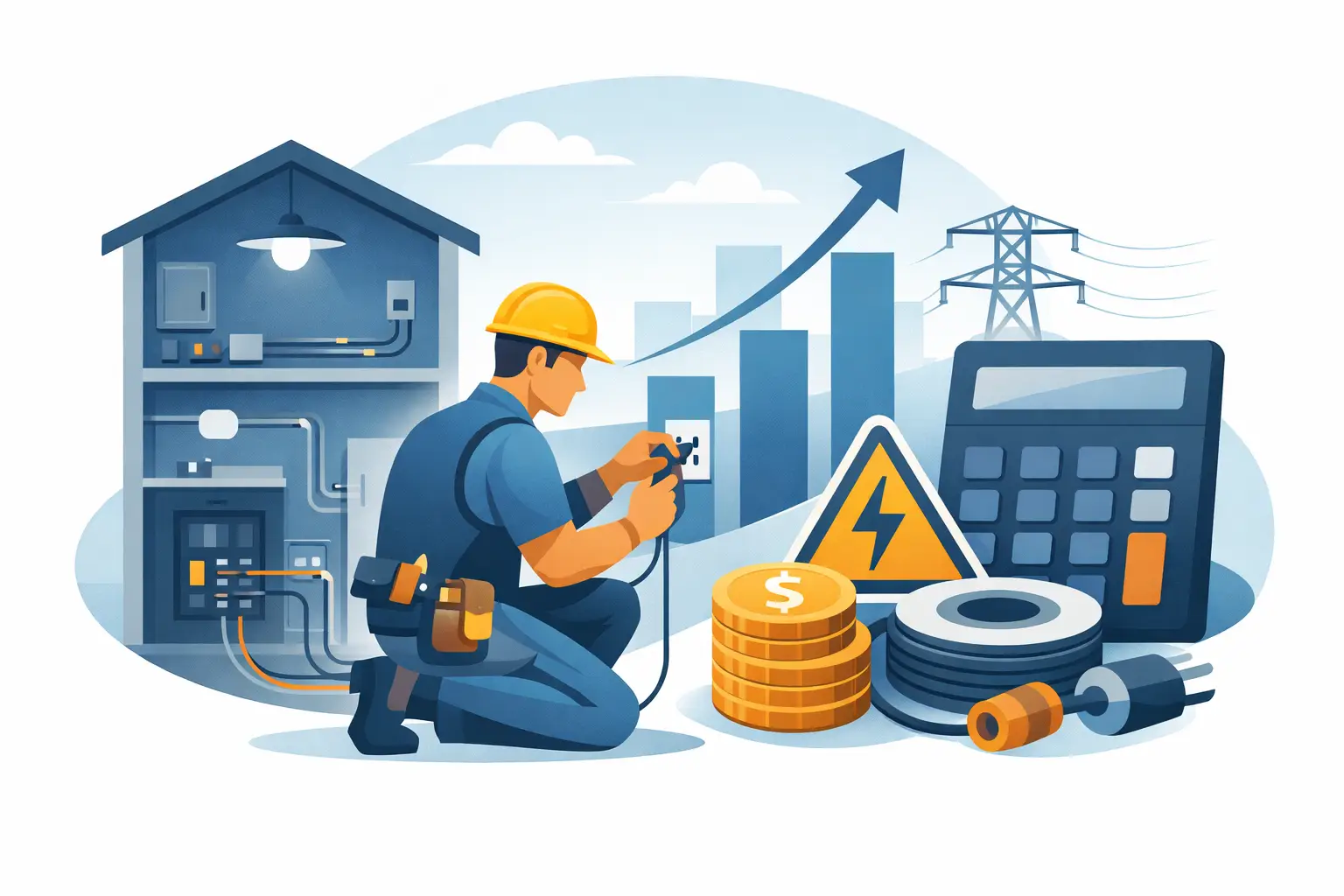
If you are pricing an electrical installation condition report cost, you are probably not shopping for something optional. Usually, there is a reason – a property sale, a rental requirement, an insurance question, an older panel, repeated breaker trips, or simple peace of mind before a bigger upgrade. The price matters, but what matters more is whether the report is thorough, code-aware, and done by a licensed electrician who knows what to look for.
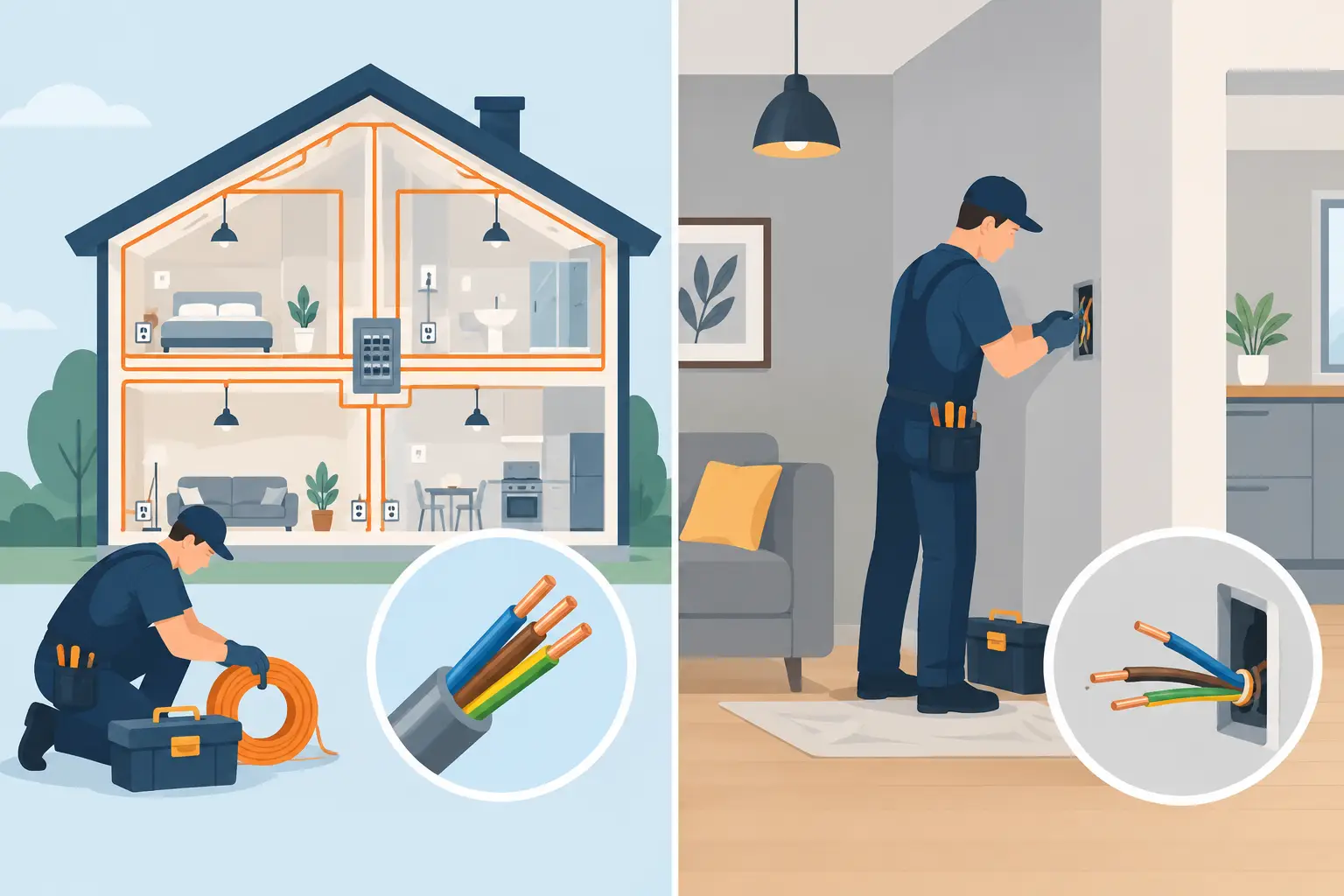
An Electrical Installation Condition Report, often called an EICR, is a formal inspection of a property’s electrical system. It looks at the condition of wiring, panels, breakers, grounding, outlets, and other key components to identify wear, damage, code concerns, and safety risks. For homeowners, commercial property owners, and facility managers, it is one of the clearest ways to understand whether an electrical system is still safe to operate or overdue for repair.
What affects electrical installation condition report cost?
The biggest factor is the size and complexity of the property. A small condo with a modern panel and straightforward branch circuits will usually cost less to inspect than a large home, a retail space with multiple subpanels, or an industrial site with specialized equipment. More square footage generally means more circuits, more devices, and more time on site.
Age also plays a major role. Older properties in Los Angeles often have a mix of legacy wiring, added circuits, undocumented modifications, or outdated service equipment. When an electrician has to trace questionable work, inspect older grounding methods, or verify past alterations, the report takes longer and the price reflects that.
Access can change the number quickly. If the panel is easy to reach, the space is occupied but organized, and the system layout is clear, the inspection tends to move efficiently. If rooms are blocked, electrical rooms are cluttered, panels are mislabeled, or there are multiple locked areas, labor time increases.
The purpose of the report matters too. Some clients want a baseline safety check before buying a property or planning renovations. Others need a more detailed condition assessment for commercial liability, insurance documentation, tenant turnover, or recurring electrical issues. The more detailed the scope, the more the final price may rise.
Typical price range for an EICR
In general, homeowners can expect electrical installation condition report cost to range from a few hundred dollars for smaller, straightforward residential properties to significantly more for larger homes or more complex buildings. Commercial and industrial properties often fall into a higher range because they involve more circuits, more equipment, and stricter operational concerns.
For a modest residential property, you may see pricing around the low-to-mid hundreds. A larger single-family home with multiple panels, additions, detached structures, or older wiring may cost more. Commercial spaces can move into the upper hundreds or beyond depending on occupancy type, electrical load, and how much of the system needs to be evaluated.
That said, there is no honest flat rate that fits every property. If one contractor gives a very low quote without asking about panel count, building age, or access, that is usually a sign the scope is thin or the report may not be as useful as you expect.
Why cheap reports can cost more later
This is where many property owners get tripped up. A low inspection fee sounds attractive, especially when you are already budgeting for repairs, tenant improvements, or escrow costs. But if the report is rushed, vague, or performed by someone without the right experience, you may end up paying again for a second inspection or missing serious issues the first time around.
A proper report should do more than check boxes. It should identify visible defects, flag safety concerns, note code-related issues where relevant, and give you a clearer sense of what needs attention now versus what should be monitored. That is useful information when you are deciding whether to repair, upgrade, negotiate, or plan future work.
For business owners and facility managers, poor reporting can be especially expensive. A shallow inspection might miss overloaded circuits, grounding problems, deteriorated conductors, or panel issues that later affect uptime. When electrical failures interrupt operations, the original savings disappear fast.
Residential vs. commercial electrical installation condition report cost
Residential inspections are usually simpler because the systems are more standardized. Even then, costs vary widely between a newer tract home and a 1950s property with multiple remodels. Homes with EV chargers, pool equipment, workshops, detached garages, or backup power equipment can require more inspection time.
Commercial reports tend to be more involved because the systems support business operations, occupant safety, and code-sensitive equipment. A small office may be relatively straightforward, but a restaurant, medical office, warehouse, or mixed-use property can require a much more detailed review. If the site includes dedicated circuits, machinery, data infrastructure, three-phase service, or multiple distribution points, expect the report cost to reflect that complexity.
Industrial environments are their own category. Equipment wiring, transformers, motor controls, high-load circuits, and maintenance history all affect the level of effort required. In these settings, experience matters as much as price, because the inspector needs to understand both safety and operational reliability.
What should be included in the price?
This is the question worth asking before you book. A professional quote should be clear about what the inspection covers, whether testing is included, whether the report is written and delivered as part of the fee, and whether any follow-up explanation is available once you receive the findings.
You should also ask whether the price includes inspection of all accessible panels, a representative sampling or full review of outlets and fixtures where appropriate, and basic documentation of defects and recommendations. If a contractor charges one price for the visit and another for the written report, that should be stated upfront.
In a well-run service operation, pricing is transparent. Clients should know what they are paying for, what is excluded, and whether any additional testing or troubleshooting would be billed separately. That kind of clarity helps avoid disputes and builds trust from the start.
Signs your quote may increase
A few situations commonly push pricing higher after the initial conversation. One is when the property has more panels or subpanels than expected. Another is when there are signs of prior unpermitted work, damaged wiring, or active faults that require extra diagnostic time.
Urgency can also affect cost. If you need same-day service, after-hours scheduling, or a fast turnaround for a transaction deadline, pricing may be different from a routine appointment. Some companies also price differently when travel, tenant coordination, or repeated site access is required.
None of that is unreasonable if it is explained clearly. Fair pricing does not always mean low pricing. It means the cost matches the work and there are no surprises hidden in the process.
How to compare quotes the right way
Start by comparing scope, not just the number at the bottom. Ask whether the electrician is licensed and insured, whether the report is written and detailed, and whether they regularly inspect the type of property you own. A contractor who handles both residential and commercial systems is often better equipped to spot issues that a limited-scope provider may overlook.
Reputation matters here. When you are hiring someone to evaluate electrical safety, professionalism is not a bonus feature. You want a company known for showing up on time, working cleanly, documenting findings clearly, and standing behind its work. In a market like Los Angeles, where properties range from updated condos to aging commercial buildings, experience across property types makes a real difference.
This is one reason many property owners prefer established local contractors with a long track record, strong reviews, and warranty-backed workmanship. Prime Electric, for example, has built its reputation on licensed, insured service and clear communication across residential, commercial, and industrial projects.
When paying for an EICR makes sense
Not every property needs a condition report right away, but some situations make it a smart move. If you are buying or selling an older building, managing a rental, seeing signs like flickering lights or hot outlets, planning a panel upgrade, or dealing with repeated electrical problems, a report can save time and guesswork.
It can also help you prioritize. Not every issue found in a report demands an emergency repair. Some items are advisory, some are maintenance-related, and some are urgent. A good electrician will explain the difference so you can make practical decisions based on safety, budget, and timeline.
The best way to think about electrical installation condition report cost is this: you are not just paying for a document. You are paying for an experienced assessment of a system that affects safety, liability, and reliability every day. When the inspection is done carefully, the report gives you something valuable – clarity. And clarity is often the first step toward making the right repair before a small issue turns into a much more expensive one.