Generator Interlock Versus Transfer Switch

[ez-toc]
A power outage is not the time to discover that a portable generator cannot safely power the circuits you need. The decision between a generator interlock versus transfer switch affects how you connect backup power, which loads you can run, how much the installation may cost, and how simple the system is for your household or staff to operate.
Both options can provide safe backup power when properly designed and installed by a licensed electrician. Neither should be confused with plugging a generator into a wall outlet, a dangerous practice that can energize utility lines, damage equipment, and put utility workers at risk. The right choice depends on your electrical panel, generator capacity, operating priorities, and whether you want manual or automatic backup power.
Generator Interlock Versus Transfer Switch: The Core Difference
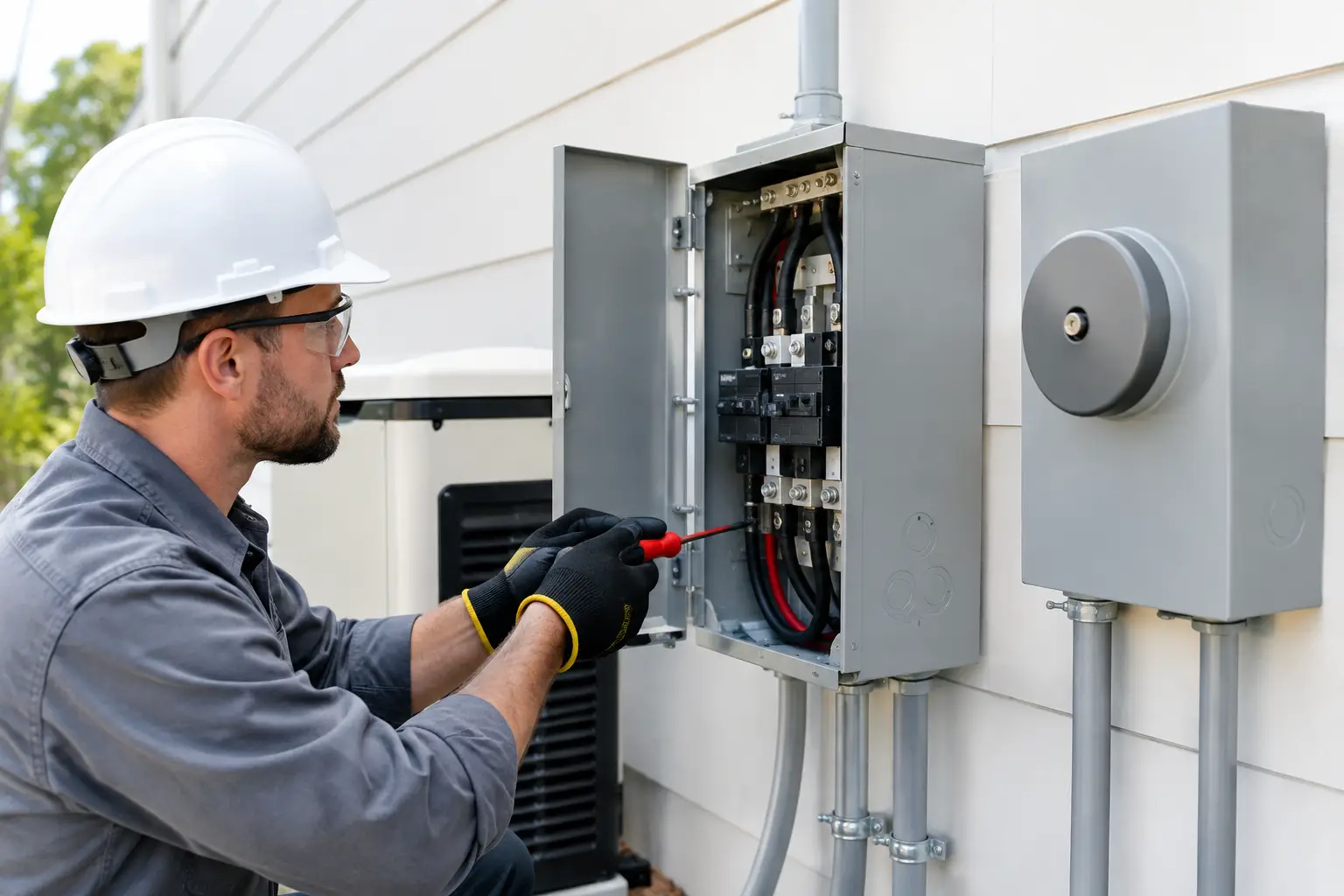
A generator interlock is a listed mechanical device installed on an electrical panel. It physically prevents the main utility breaker and the generator backfeed breaker from being turned on at the same time. During an outage, you turn off the main breaker, move the interlock, turn on the generator breaker, and energize selected circuits from the generator.
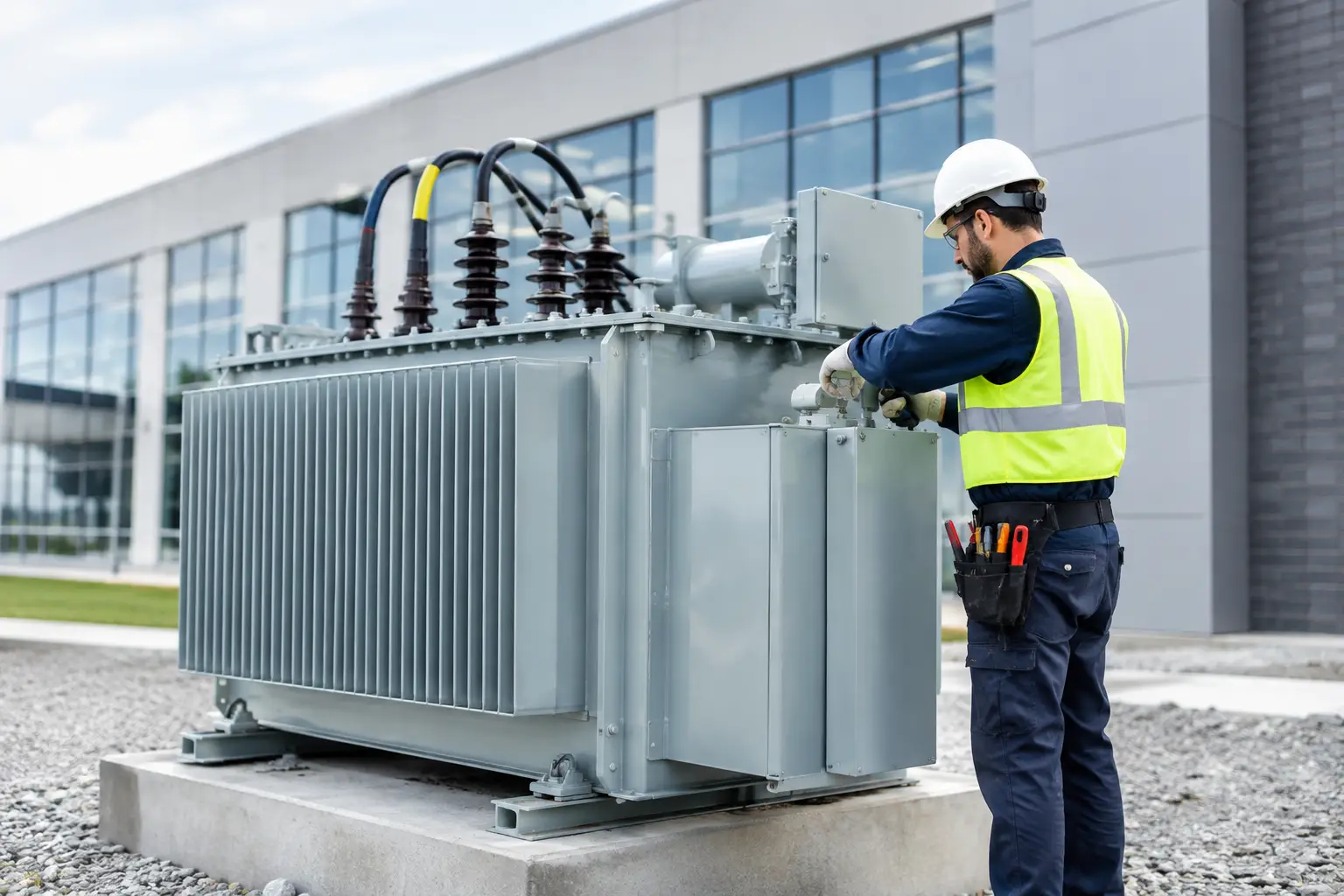
A transfer switch is a dedicated switching device that transfers electrical loads between utility power and generator power. It can serve a small group of essential circuits, an entire panel, or a larger commercial electrical system. Some transfer switches are manual, while automatic transfer switches detect utility failure and start a compatible standby generator without someone needing to operate the equipment.
The shared safety purpose is isolation. Your generator must never send power back onto the utility grid. What changes is the way each system manages circuits and the level of control it provides.
When a Generator Interlock Makes Sense
For many homes with a properly configured main panel, an interlock is a practical, cost-conscious way to connect a portable generator. Rather than limiting you to a separate essential-load panel, it can give you access to most or all of the existing breakers in the panel. You still cannot run everything at once, but you can choose which circuits receive power based on your available generator capacity.
That flexibility is particularly useful during a longer outage. You might run the refrigerator, internet equipment, a few lights, garage door, and a gas furnace blower at one point, then turn off some loads before using a microwave or well pump. The system lets the homeowner manage priorities from the panel.
An interlock is not a universal fit. The electrical panel must accept a listed interlock kit designed for that exact panel model. Space is needed for the required generator breaker, and the panel layout must allow the mechanical arrangement to work as intended. Older panels, damaged panels, crowded panels, and certain service configurations may require an upgrade or call for another backup-power approach.
Interlocks are manual systems. Someone must safely position the generator outdoors, connect the generator cord to a properly installed power inlet, start the generator, and operate the breakers in the correct sequence. That may be entirely acceptable for an occupied home, but it is less attractive for a vacant property, a business that cannot wait for staff to arrive, or an owner who wants backup power to operate automatically.
When a Transfer Switch Is the Better Choice
A transfer switch is often the better solution when simplicity, automation, or tightly controlled load selection matters most. A manual transfer switch typically feeds a predetermined group of critical circuits, such as refrigeration, lighting, communications equipment, security systems, or medical equipment. Clearly labeled controls make it easier to operate during an outage, especially for users who are not comfortable managing individual breakers.
An automatic transfer switch is normally paired with a permanently installed standby generator. It monitors utility power and initiates a transfer when the utility supply fails. Depending on the equipment and design, the generator starts automatically, supplies the selected loads, and returns the system to utility power when normal service is restored.
For a property manager, business operator, or facility decision-maker, that response can protect uptime. A properly engineered transfer switch system can support essential operations, network equipment, emergency lighting, refrigeration, gates, pumps, or other designated loads without depending on someone being present with a portable generator.
Transfer switches also offer a clean way to separate critical loads from high-demand equipment. Air conditioning, electric ranges, dryers, large motors, EV chargers, and other major loads can be excluded or managed through load-shedding controls. This prevents an undersized generator from becoming overloaded when power returns to selected circuits.
The trade-off is cost and scope. Dedicated transfer equipment, critical-load panels, standby-generator controls, wiring modifications, and load management can make a transfer-switch project more involved than an interlock installation. That additional investment may be justified when automatic operation, clear load prioritization, or business continuity is the goal.
The Right Choice Depends on Your Loads
The biggest mistake in backup-power planning is choosing equipment before calculating the loads. A generator may have enough running wattage for lights and a refrigerator but not enough starting capacity for a large air conditioner, pump, compressor, or motor-driven appliance. Electrical load calculations should consider both normal operating demand and startup surge.
With an interlock, you have broad circuit access but must actively manage demand. With a transfer switch, the electrician can design a defined critical-load package around the generator’s rating. Neither option magically increases generator capacity. The design must match what the generator can safely produce.
For example, a homeowner may only need refrigeration, lighting, outlets for charging devices, internet service, and a furnace blower. An interlock paired with a portable generator may be an efficient answer. A home with a sump pump, electrically powered medical equipment, multiple refrigeration loads, or a need for automatic operation may benefit more from a transfer switch and standby generator.
Commercial and industrial facilities require a closer review. Sensitive electronics, three-phase equipment, process controls, telecom systems, elevators, fire-life-safety equipment, and large motors can have requirements that go well beyond a typical residential backup setup. The transfer equipment, generator type, grounding method, neutral configuration, and permitting path must be evaluated as a complete system.
Installation Details That Should Not Be Overlooked
A safe generator connection is more than an inlet and a breaker. The installation must use equipment listed for its purpose and be coordinated with the existing service equipment. Generator inlet rating, breaker size, conductor size, generator receptacle type, grounding and bonding, neutral switching, available fault current, and panel compatibility all matter.
A qualified electrician will also assess whether the panel has sufficient capacity and whether the proposed arrangement complies with applicable electrical codes and local permitting requirements. In Los Angeles, permitting and inspection requirements can apply to generator connection equipment and panel modifications. Proper documentation is valuable for safety, future service, insurance questions, and property resale.
Portable generators must operate outdoors in a well-ventilated location, away from doors, windows, and other building openings. Carbon monoxide is a serious hazard. Use a generator cord rated for the equipment and never use a double-male cord or improvised connection. Those shortcuts bypass the protections that an interlock or transfer switch is designed to provide.
Cost, Convenience, and Reliability
An interlock installation is often less expensive because it uses the existing electrical panel and generally requires fewer new components. It can be an excellent option for homeowners who are comfortable with a manual setup and want flexibility during an outage.
A transfer switch can cost more, but it offers defined operation and can support automatic backup when paired with the right standby generator. For properties where downtime has a real consequence, the additional control can be worth it. The most economical system is not always the best value if it does not support the loads that matter or cannot be operated confidently when conditions are stressful.
There is no one-size-fits-all winner in the generator interlock versus transfer switch decision. An interlock is often the practical choice for flexible, manual portable-generator backup. A transfer switch is usually the stronger choice for automatic operation, dedicated critical loads, and more complex residential or commercial needs.
A professional site evaluation can turn a vague outage plan into a safe, code-conscious system built around your actual panel, generator, and priorities. Prime Electric can help Los Angeles property owners identify the backup-power approach that protects the circuits they rely on without compromising safety or electrical reliability.