Commercial Building Transformer Installation
[ez-toc]
A transformer is not a piece of equipment a commercial property can afford to treat as an afterthought. Whether you are opening a retail space, expanding a warehouse, upgrading machinery, or addressing an overloaded electrical service, the transformer affects safety, equipment performance, utility coordination, and your ability to keep operating without costly interruptions.
Transformer installation for commercial building projects requires more than setting equipment in place and connecting conductors. The system must be properly sized, located, protected, permitted, tested, and integrated with the building’s service equipment. A qualified commercial electrician helps ensure the installation supports the load you have today and the growth you expect tomorrow.
Start With the Actual Electrical Load
Transformer sizing begins with a real load evaluation, not a guess based on the building’s square footage. A small office with computers and LED lighting has very different requirements than a restaurant with refrigeration, a medical office with specialized equipment, or a production facility running motors and compressors.
An electrician evaluates the existing service, connected loads, demand factors, voltage requirements, and anticipated expansion. The goal is to choose a transformer that reliably carries the expected load without excessive voltage drop, overheating, or unnecessary oversizing.
Oversizing is sometimes appropriate, particularly when a tenant improvement plan includes future equipment or additional suites. However, a much larger transformer is not automatically better. It can increase installation cost, occupy more space, and create avoidable losses during light-load operation. The right choice depends on the facility’s present demand, planned growth, operating schedule, and the characteristics of the equipment being served.
Voltage and Phase Must Match the Equipment
Commercial systems often involve 208/120V, 480/277V, or other configurations that must match the service and downstream equipment. A step-down transformer may be needed to serve standard receptacles, computer loads, lighting, or specialized machinery from a higher-voltage service. In other situations, a transformer creates a separately derived system for a particular piece of equipment or area.
Voltage, phase, neutral requirements, and available fault current all matter. A mismatch can damage equipment, create nuisance tripping, or leave a new installation unable to pass inspection. This is why transformer work should be designed around the complete electrical system rather than treated as an isolated upgrade.
Selecting the Right Transformer Location
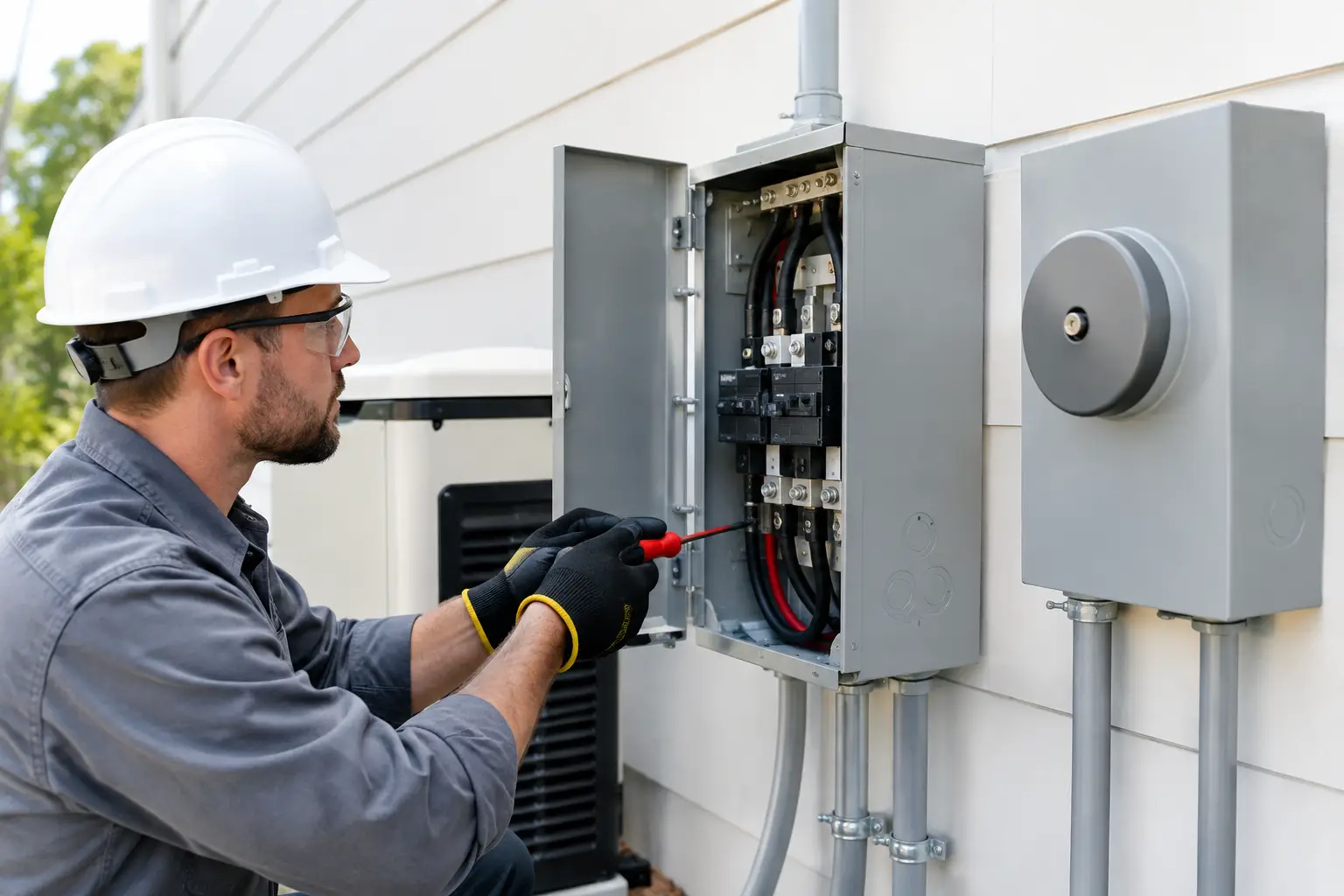
Location affects access, safety, cooling, noise, protection, and future maintenance. Indoor dry-type transformers are common in commercial buildings, but they still need required working clearances and adequate ventilation. Units placed too close to stored materials, walls, or other equipment can become a safety and service problem.
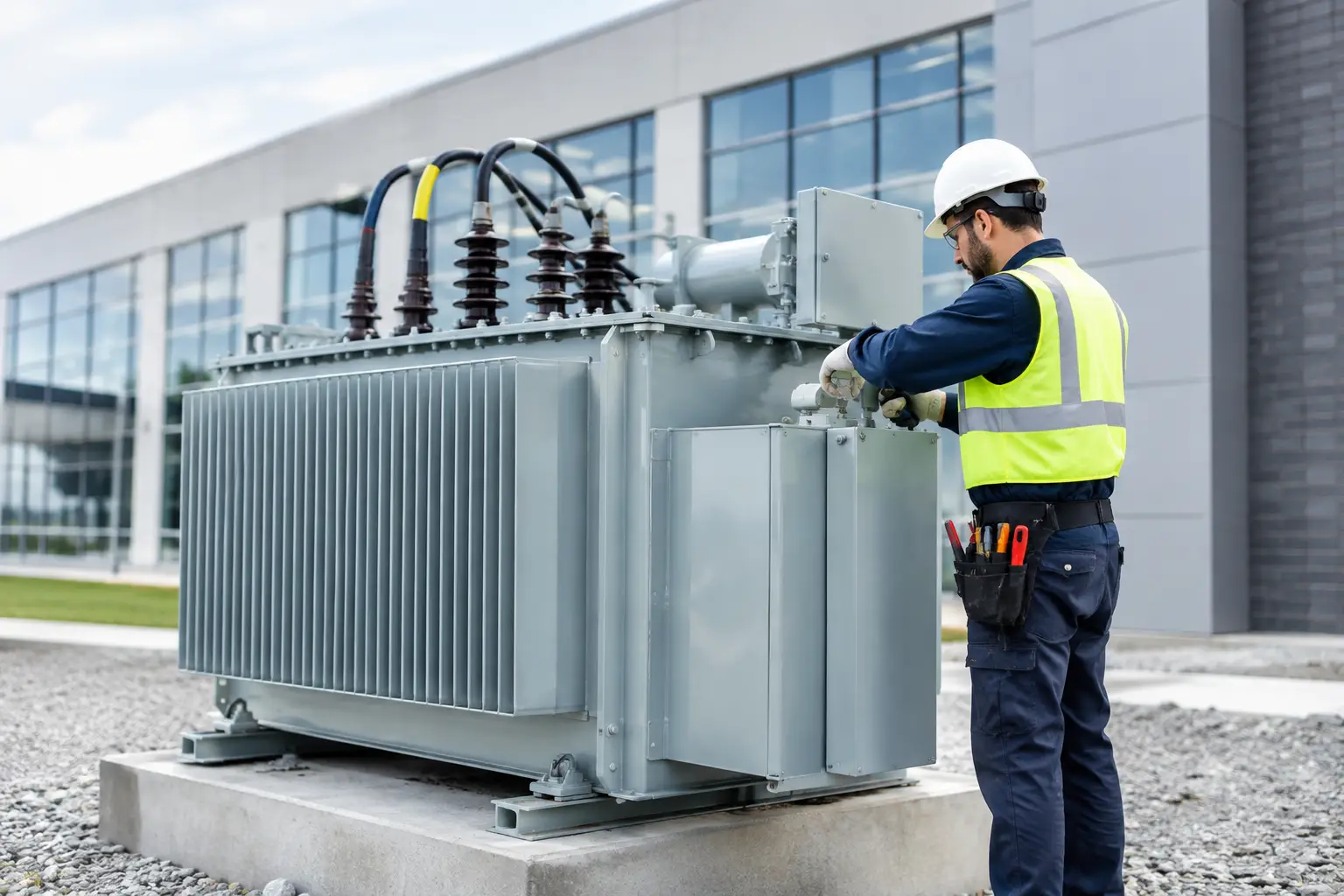
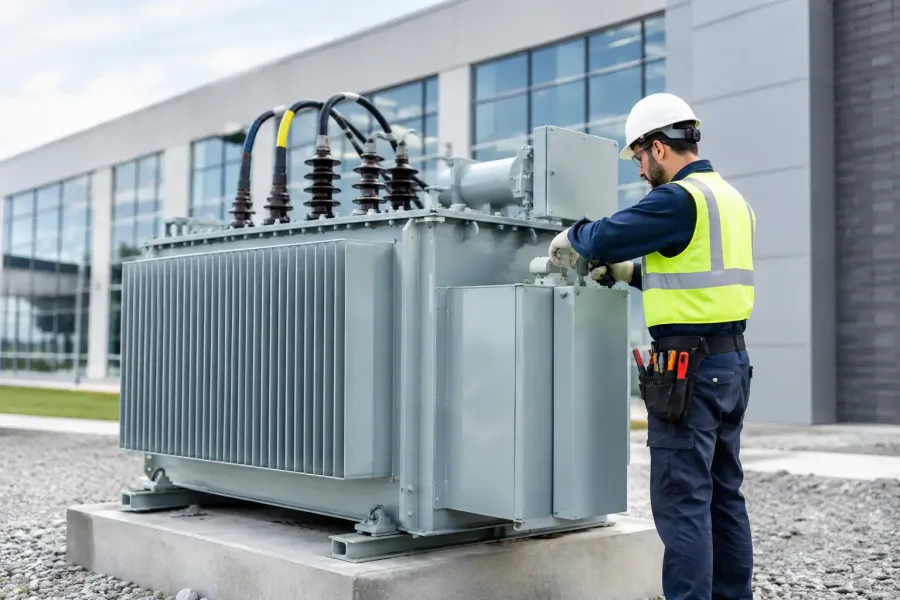
For outdoor installations, the enclosure, pad or mounting method, bollards, weather exposure, and utility requirements all need attention. In busy loading areas or parking lots, physical protection is essential. A transformer may work perfectly electrically but still be vulnerable to vehicle impact if the site design is incomplete.
Noise can also influence placement. Transformers naturally produce a low hum, and while modern units are often quieter than older equipment, placement near offices, patient rooms, classrooms, or customer-facing areas deserves consideration. An experienced electrician can identify practical locations that preserve access and reduce disruption to the people using the building.
Commercial Building Transformer Installation and Code Compliance
A commercial transformer installation must comply with applicable electrical codes, local requirements, manufacturer instructions, and utility rules where applicable. In Los Angeles, the permitting and inspection process can affect scheduling, particularly when a project involves service upgrades, new distribution equipment, or utility coordination.
Code compliance involves far more than selecting the correct wire size. The installation may require properly rated disconnects, overcurrent protection, grounding and bonding, labeled panels, approved enclosures, and sufficient working space. Fire-rated pathways and seismic considerations may also apply depending on the building type and equipment location.
Grounding and bonding deserve special care with separately derived systems. The transformer configuration determines where the neutral is bonded, how the grounding electrode conductor is installed, and how the system is protected. Errors in this area can introduce shock hazards, equipment issues, and inspection failures. This is technical work that should be handled by a licensed, insured electrical contractor familiar with commercial systems.
Plan for the Full Scope, Not Just the Transformer
The transformer itself is only one part of the project. A complete installation may involve service upgrades, new feeders, panel replacements, conduit runs, disconnects, concrete work, equipment pads, utility applications, shutdown planning, and final testing.
For an occupied business, outage planning is especially important. A restaurant, medical practice, data-dependent office, or manufacturing operation may not be able to lose power during normal hours. The electrical contractor should identify what must be de-energized, how long the outage may last, what equipment needs a controlled shutdown, and whether work can be scheduled after hours.
A clear scope also reduces surprise costs. Before work begins, property owners and managers should understand whether the estimate includes permits, equipment procurement, feeder modifications, inspections, utility coordination, and restoration of affected areas. Transparent planning is one of the best ways to protect a project’s timeline and budget.
Installation Quality Shows Up in Reliability
A properly installed transformer is built for safe, dependable operation. That means conductors are correctly sized and terminated, lugs are torqued to manufacturer specifications, conduit is supported, overcurrent devices are coordinated, and all equipment is clearly labeled.
After installation, testing verifies that the system is ready for service. Depending on the scope, this can include checking voltage, phase rotation, grounding continuity, insulation condition, and load performance. Technicians should also inspect for abnormal heat, vibration, or noise after energization.
Documentation matters as well. Accurate panel schedules, circuit labels, equipment information, and as-built notes make future maintenance easier. When a tenant adds equipment or a facility manager needs to troubleshoot an issue years later, clear records save time and reduce risk.
When Is a Transformer Upgrade Necessary?
An upgrade may be needed when a building adds EV charging stations, commercial kitchen equipment, larger HVAC systems, medical devices, server equipment, manufacturing machinery, or high-demand lighting. Repeated breaker trips, low voltage at equipment, overheated panels, and transformer noise or odor are also signs that deserve prompt professional evaluation.
Age alone does not always mean a transformer needs replacement. Many units provide long service lives when properly installed and maintained. But an older transformer may no longer fit the building’s loads, voltage needs, efficiency expectations, or safety requirements. An inspection can determine whether repair, load redistribution, a new transformer, or a broader service upgrade is the practical solution.
Choose a Contractor Equipped for Commercial Work
Commercial transformer projects require a contractor who understands high-voltage safety, distribution systems, permitting, occupied-building logistics, and the details that affect long-term reliability. Licensing, insurance, commercial experience, clear communication, and workmanship backing should all factor into the decision.
Prime Electric brings more than 40 years of electrical experience to commercial and industrial projects throughout the Los Angeles area. Our team evaluates the full system, explains the work in clear terms, and performs installations with the professionalism property owners, managers, and business operators expect.
If your building is adding equipment, experiencing electrical capacity issues, or preparing for a tenant improvement, schedule an on-site assessment before the project reaches the point of failure. A well-planned transformer installation protects your equipment, your people, and the business you have worked hard to build.