Why Hire a Licensed Insured Bonded Electrician?

[ez-toc]
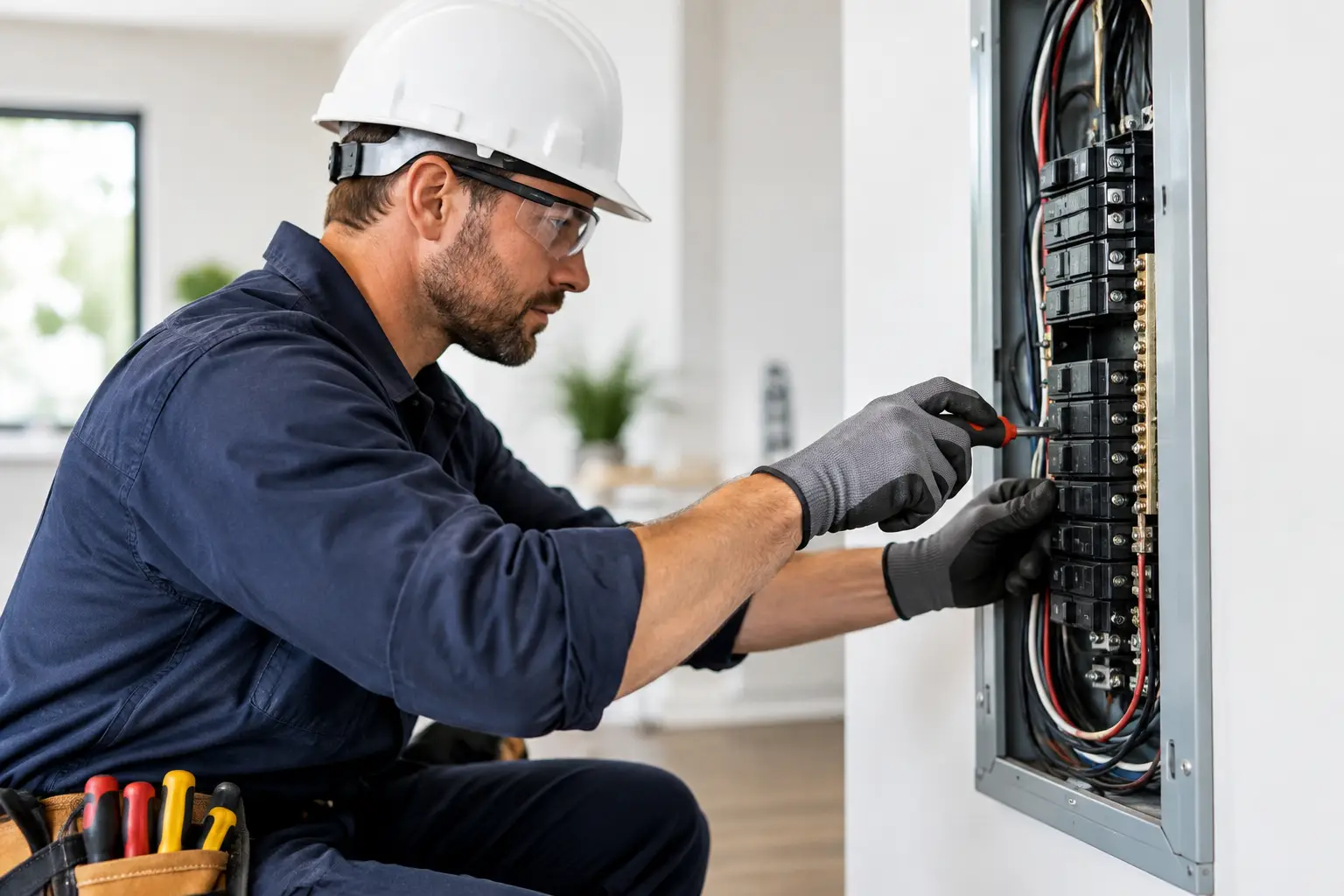
A licensed insured bonded electrician gives you more than someone who can complete a repair. Those credentials protect your property, help confirm professional qualifications, and provide accountability if something goes wrong. Whether you need a panel upgrade, EV charger installation, damaged wiring repaired, or electrical work for a commercial space, hiring the right contractor is a practical safety decision.
Electrical work affects the systems your home, business, or facility depends on every day. A loose connection can become a fire hazard. An overloaded panel can interrupt operations. Incorrect wiring can create expensive problems that may not appear until long after the technician has left. Credentials do not replace skill and experience, but they are a critical starting point when choosing who will work on your electrical system.
What Licensed, Insured, and Bonded Actually Mean
These terms are often grouped together, but each one serves a different purpose. A reputable electrical contractor should be able to explain their credentials clearly and provide verification when requested.
A license confirms professional authorization
An electrical contractor license shows that a contractor has met California requirements to perform electrical work legally. Licensing involves demonstrated experience, testing, and compliance with state regulations. It also gives customers a way to verify a contractor’s standing before authorizing work.
For a homeowner, this matters when work involves circuits, panels, wiring, grounding, GFCI protection, or a new appliance connection. For property managers and business owners, it matters even more when a project affects tenant safety, equipment reliability, inspections, or code compliance.
Licensed contractors are expected to understand applicable electrical codes and permit requirements. That does not mean every project requires a permit, but a qualified electrician should tell you when one is needed and handle the process correctly. If someone dismisses permits or cannot explain how the work will be completed safely, that is a reason to pause.
Insurance protects against costly accidents
Electrical work can involve ladders, live circuits, walls, ceilings, heavy equipment, and sensitive property. Liability insurance helps protect the customer if covered property damage or injury occurs during the job. Workers’ compensation coverage is also important when a contractor sends employees to your home or facility.
Without proper insurance, a customer may face unnecessary exposure if an accident occurs on-site. That is not a risk worth taking to save a small amount on an estimate. Ask whether the contractor carries current insurance, and do not hesitate to request proof for a larger project, commercial property, or industrial facility.
Insurance also signals that a contractor operates as a legitimate business. Professional electrical companies invest in coverage because they understand the responsibility that comes with entering customers’ homes and workplaces.
A bond adds another layer of accountability
A contractor bond is not the same as insurance. A bond is a financial guarantee connected to a contractor’s legal and professional obligations. If a licensed contractor fails to meet certain obligations, a customer may have a path to file a claim against the bond.
The details and limits of a bond matter, and it should not be viewed as a replacement for choosing carefully. Still, bonding adds a meaningful layer of consumer protection. It shows that the contractor has taken steps to meet the requirements of a regulated trade.
Why These Credentials Matter for Electrical Work
Electrical problems are not always visible. A light may turn on even when a circuit is improperly sized. A new outlet may work even when grounding is incomplete. A quick repair may appear fine until heat, moisture, load demands, or time exposes the underlying issue.
That is why the lowest bid is not always the best value. An unlicensed person may offer a lower price because they are not carrying insurance, maintaining a business license, paying for qualified labor, or standing behind the work. The upfront savings can disappear quickly if the job fails inspection, damages equipment, creates a safety concern, or needs to be redone.
A licensed insured bonded electrician is especially important for projects that involve:
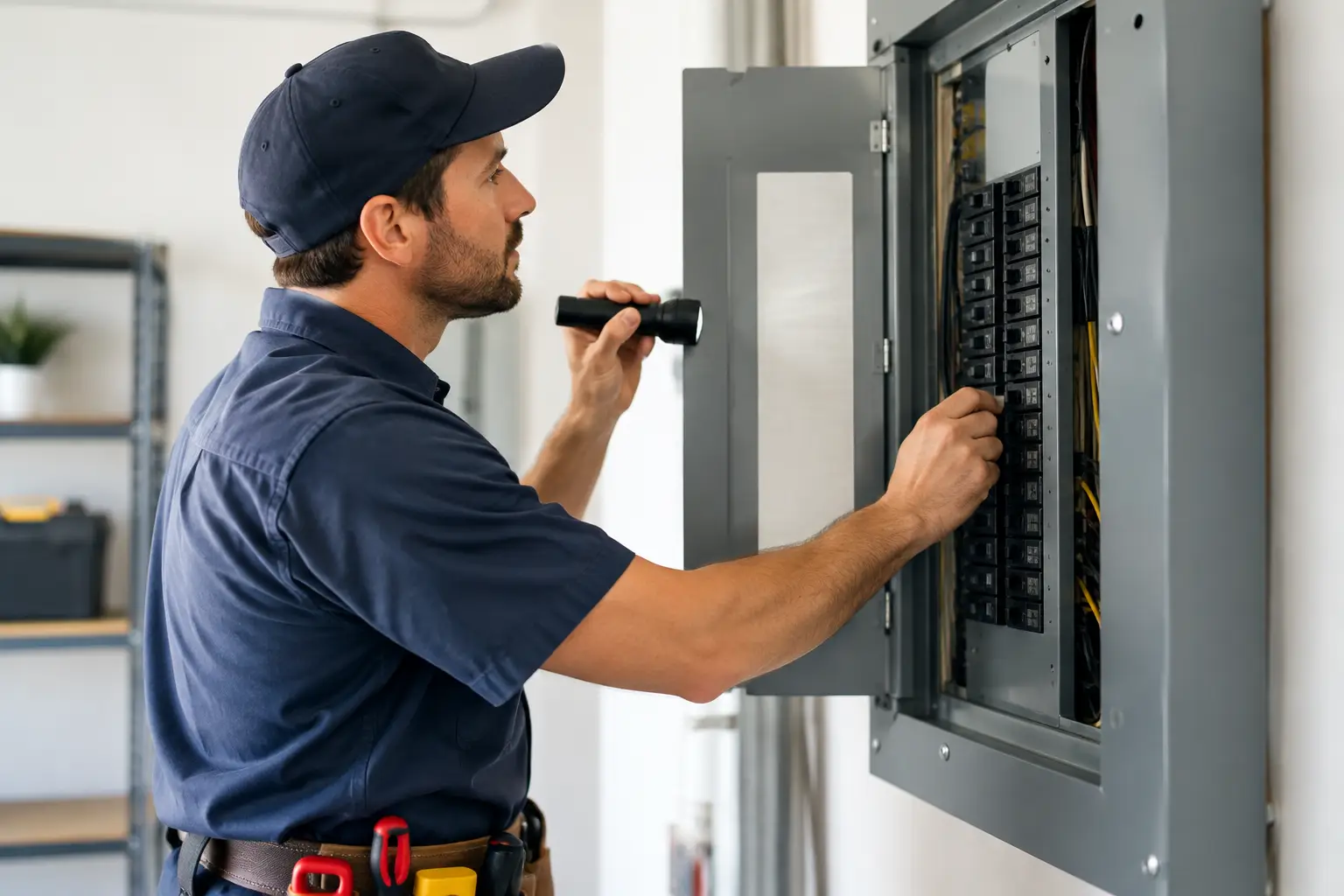
- Electrical panel replacements, service upgrades, breakers, and load calculations
- Whole-home rewiring, aluminum wiring concerns, or wiring damaged by age or rodents
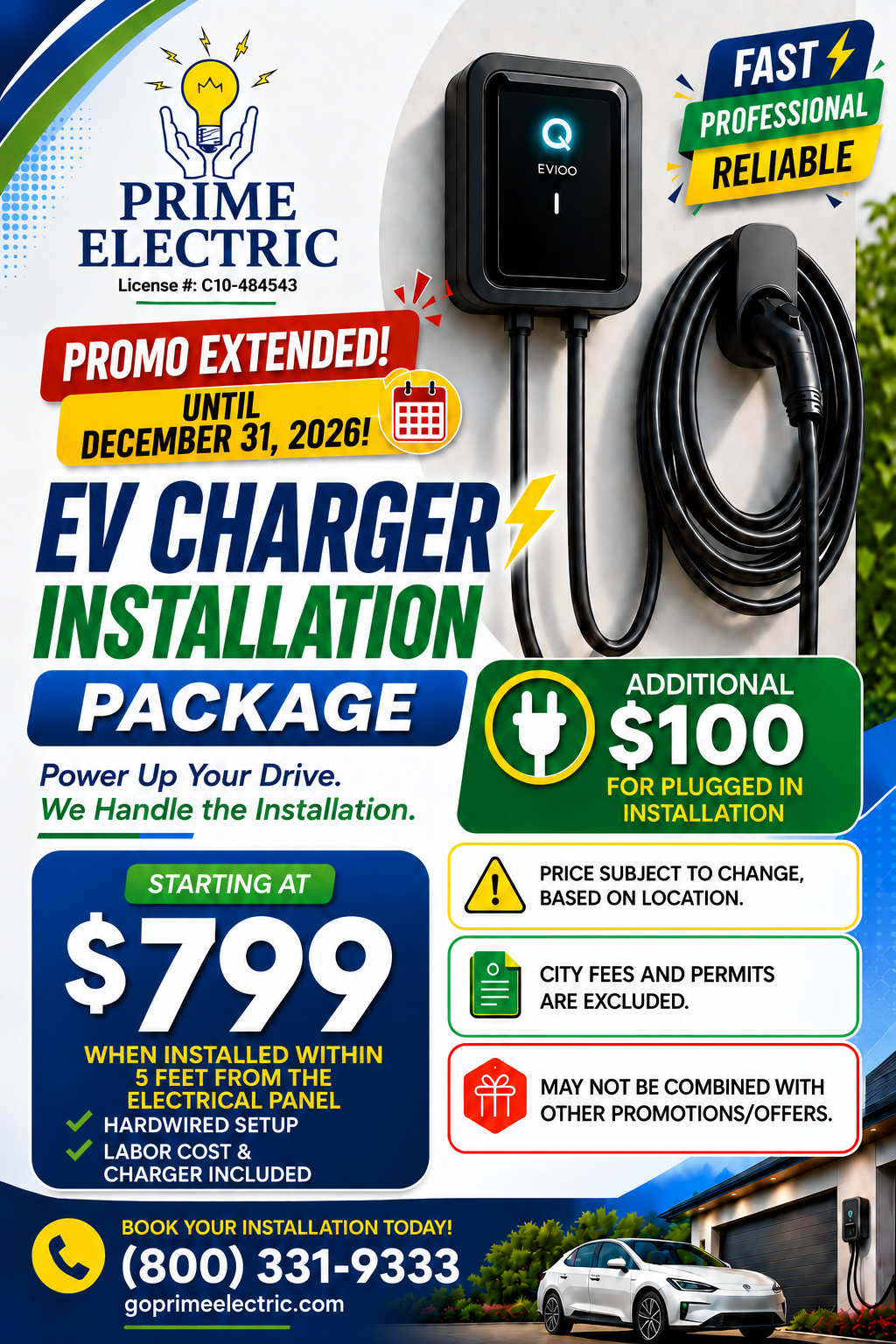
- EV charger installation and dedicated circuits for high-demand equipment
- Pool, spa, outdoor, and wet-location wiring where GFCI protection is essential
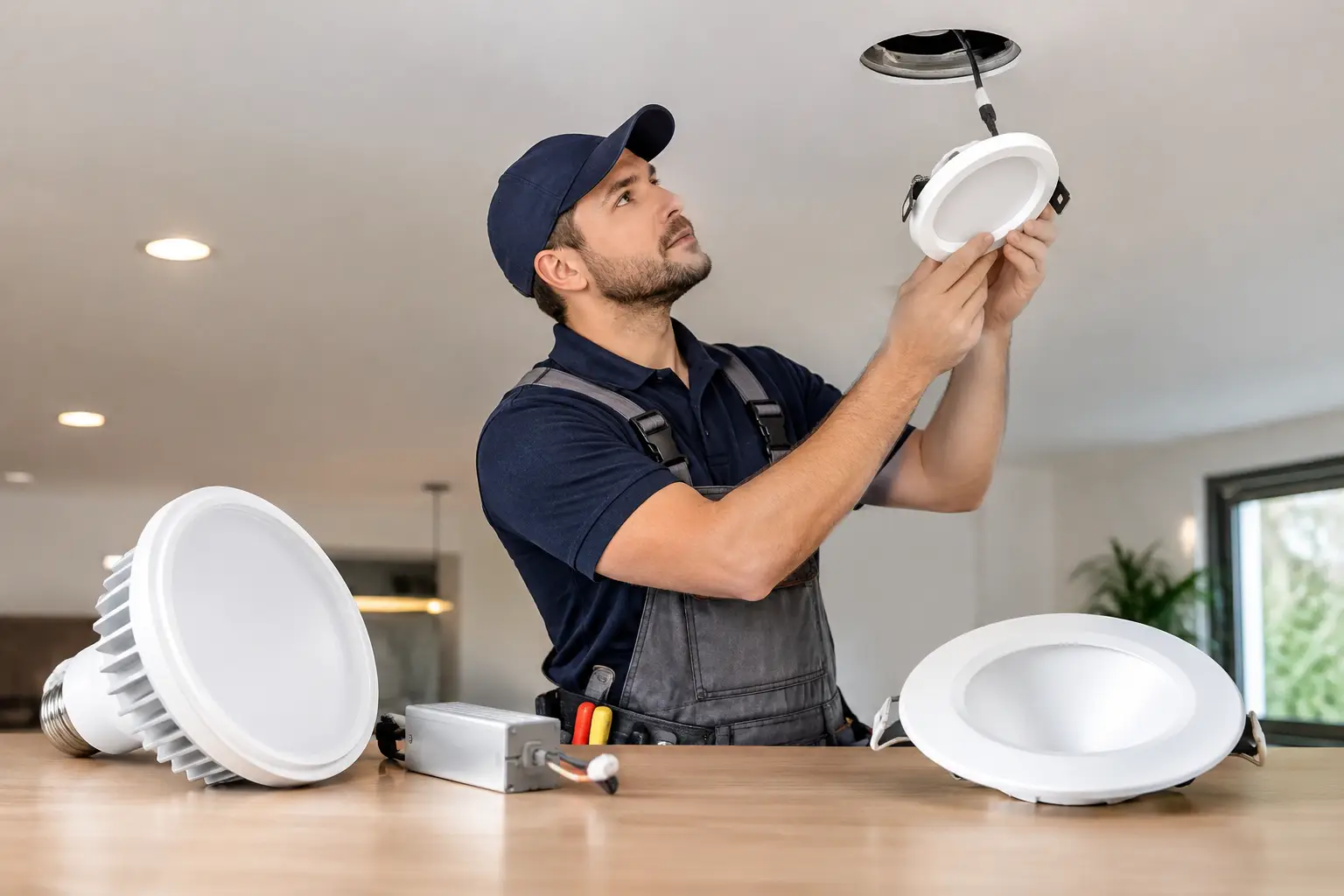
- Commercial lighting, tenant improvements, telecom cabling, machinery controls, and equipment upgrades
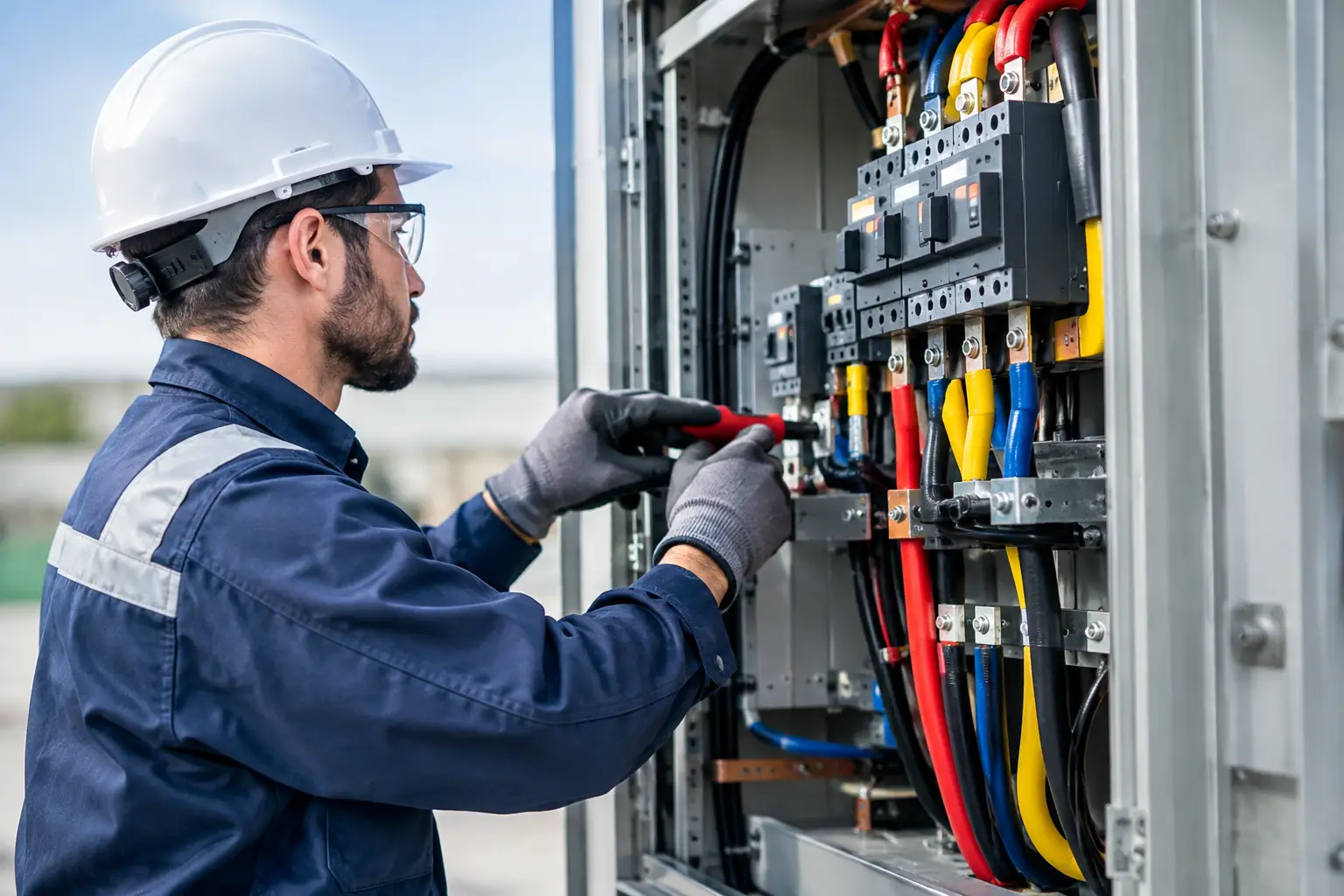
- High-voltage systems, transformers, compressors, and industrial electrical maintenance
These projects call for more than a basic fix. They require careful diagnosis, appropriate materials, safe installation practices, and a clear understanding of how the new work will interact with the existing system.
How to Verify an Electrician Before Work Begins
You do not need to be an electrical expert to screen a contractor. A few direct questions can reveal whether a company operates professionally.
Start by asking for the contractor’s license number and verify that it is active and appropriate for electrical work. Confirm that the business name on the estimate matches the licensed contractor’s name. Then ask about liability insurance and workers’ compensation coverage, particularly if workers will be on your property.
A clear written estimate also matters. It should identify the scope of work, expected materials, labor, permit responsibilities when applicable, and any conditions that could affect price. Electrical repairs sometimes uncover hidden damage or outdated wiring, so a contractor cannot always promise that every condition is known before opening a wall or panel. What matters is whether they explain potential variables honestly before proceeding.
Finally, ask about workmanship warranty coverage. A dependable contractor should stand behind the quality of completed work and be available if you have a concern after the job. Reviews, years in business, and local reputation can help you evaluate whether that promise is likely to mean something when you need support.
Credentials Are the Starting Point, Not the Finish Line
Licensing, insurance, and bonding should be non-negotiable, but the best electrician also communicates well. You should know what the problem is, what work is recommended, why it is necessary, and what options are available. A professional should not pressure you into unnecessary upgrades, but they also should not minimize a legitimate hazard to make a sale easier.
Experience matters because older Los Angeles properties often have electrical systems that have been modified over decades. A technician may encounter an undersized panel, outdated breaker types, ungrounded outlets, overloaded circuits, aging wiring, or previous work that was never completed correctly. Commercial and industrial properties add another level of complexity, where downtime, equipment protection, and coordinated scheduling can be as important as the repair itself.
Prime Electric has served local customers for more than 40 years, bringing licensed, insured service to residential, commercial, and industrial electrical projects. That experience supports the kind of careful evaluation that helps customers make informed decisions instead of accepting a rushed fix.
When an Emergency Requires Fast Action
Credential checks should not delay you from responding to an immediate electrical danger. If you smell burning, see sparks, notice a hot panel, experience repeated breaker trips, or lose power to critical equipment, turn off power if it is safe to do so and contact a qualified electrician promptly. Do not repeatedly reset a breaker that trips, and do not attempt to investigate exposed wiring yourself.
In an urgent situation, ask the same core questions when you call: Are you licensed? Are you insured? Can you explain the issue and recommended repair before work begins? A professional response should be direct, calm, and focused on making the property safe.
The right electrician brings credentials, technical judgment, clean work practices, and respect for your property. Before approving your next repair or upgrade, take a moment to verify those basics. It is a small step that can protect your home, your business, and the people who rely on both.